




Introduction
Solar generators have become increasingly popular for emergency backup power, RV travel, off-grid living, and outdoor recreation. But one common question remains: Are solar generators worth the money?
The answer depends on energy needs, usage scenarios, long-term savings, battery lifespan, and environmental priorities. This article breaks down the true cost–benefit equation using clear comparisons, data tables, and practical examples. By the end, you’ll know exactly whether a solar generator is the right investment for you.
1. What Determines the Value of a Solar Generator?
Several key attributes influence whether a solar generator is “worth it” for your lifestyle or emergency preparedness needs.
Battery Capacity (Wh / kWh)
The larger the capacity, the longer your devices and appliances can run during outages or off-grid use. Higher capacities typically offer better long-term value.
Output Power (W)
A generator capable of powering refrigerators, power tools, heaters, or medical equipment delivers significantly greater usefulness than models designed for small electronics.
Battery Type & Lifespan
LiFePO4 (Lithium Iron Phosphate) battery technology—used in all OUPES units—provides 3,000+ cycles, making it one of the most durable energy storage options on the market.
Charging Methods
Solar, AC wall charging, car charging, and dual-input systems increase flexibility while reducing dependency on fuel or the grid.
Noise Level
Solar generators operate silently, a major advantage over gas generators used in backyards, RV parks, and campsites.
Ownership Costs
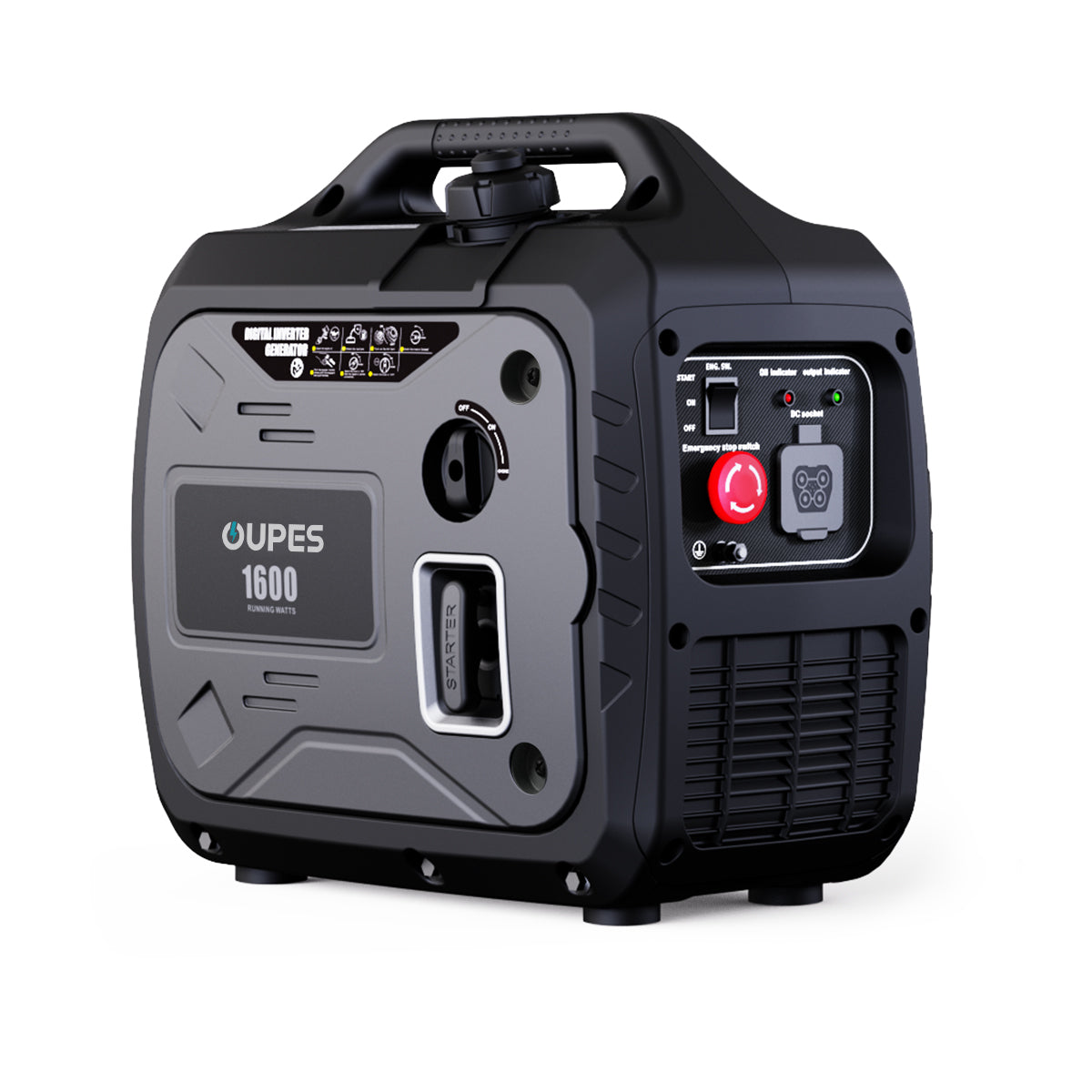
Fuel-free operation and minimal maintenance significantly lower long-term costs compared to gas generators.
2. Cost Comparison: Solar Generators vs. Gas Generators
| Feature | Solar Generator | Gas Generator |
|---|---|---|
| Fuel Cost | $0 (solar energy) | $3–$6 per gallon, continuous cost |
| Noise Level | Silent | 60–90 dB noise |
| Maintenance | Minimal | Oil changes, filters, carburetor cleaning |
| Indoor Use | Safe; no fumes | Dangerous carbon monoxide emissions |
| Lifespan | 10+ years (LiFePO4) | 5–10 years with heavy maintenance |
| Environmental Impact | Clean, renewable | High emissions |
When long-term operational costs are considered, solar generators offer significantly greater financial efficiency despite a higher initial purchase price.
3. Who Gets the Most Value from a Solar Generator?
✔ Homeowners Concerned About Power Outages
Solar generators provide reliable emergency backup power without fumes, fuel storage, or noise.
✔ RV Travelers
They eliminate the cost of campground electricity and provide silent off-grid energy.
✔ Off-Grid Users
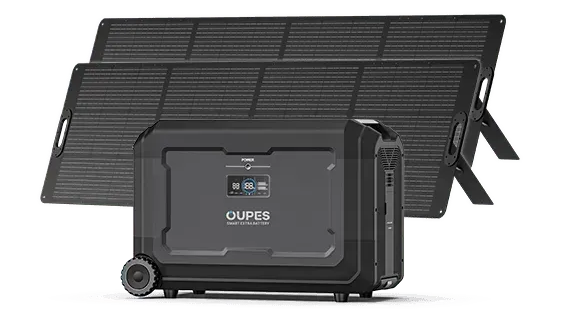
Solar generators become primary power sources when paired with solar panels and expandable batteries.
✔ Outdoor Enthusiasts
The portability and clean power are ideal for camping, tailgating, and remote equipment use.
✔ Anyone Seeking Energy Independence
Instead of relying on grid stability or fuel availability, solar offers free and renewable power anywhere sunlight is available.
4. Real-Life Scenarios Showing Whether They’re Worth It
Scenario A: Multi-Day Power Outage
A high-capacity solar generator can power essentials like refrigerators, lights, phones, and medical devices for days—without fuel or noise. This alone makes the investment worthwhile for many homeowners.
Scenario B: RV Full-Time Living
Fuel costs for traditional generators can exceed $1,000 per year. Solar generators eliminate this ongoing expense entirely.
Scenario C: Remote Work Off-Grid
Solar generators can power laptops, routers, monitors, and even small appliances, making them invaluable for digital nomads.
Scenario D: Natural Disaster Preparedness
Storms often disrupt fuel supply chains. Solar energy remains available even when stores and gas stations are closed.
5. Comparing OUPES Solar Generator Options
Below is a comparison table showing how different OUPES models offer value depending on intended use:
| Model | Battery Capacity | Output Power | Expandability | Best For |
|---|---|---|---|---|
| Mega 1 | 1,024Wh | 2,000W | Up to 5.12kWh | Small homes, RV weekend trips |
| Mega 2 | 2,048Wh | 2,500W | Up to 10.24kWh | Medium appliances, longer outages |
| Mega 3 | 3,072Wh | 3,600W | Up to 15.36kWh | Large RVs, off-grid cabins |
| Mega 5 | 5,040Wh | 4,000W | Up to 45.36kWh | Whole-home backup |
6. Long-Term Savings and Return on Investment
✔ No Fuel Costs
The sun provides free electricity, resulting in lifetime savings that can exceed the cost of the generator.
✔ Minimal Maintenance
No filters, no oil, no spark plugs—just clean energy.
✔ Long Battery Lifespan
LiFePO4 batteries offer up to 10 years of daily use, drastically lowering cost per cycle.
✔ Protection During Emergencies
A silent, clean backup system avoids spoiled food, medical device downtime, and lost productivity.
✔ Avoiding Grid Dependency
As power outages become more common, energy independence becomes more valuable.
Considering all these factors, solar generators deliver significant value over their operational lifetime.
FAQ
- Are solar generators expensive?
Initial costs may be higher, but long-term savings make them cost-effective. - Do solar generators really work in emergencies?
Yes—they provide reliable power without fumes or noise. - Can a solar generator power my refrigerator?
Yes, many models with 2,000W+ output can power refrigerators for hours or days. - How long do solar generators last?
LiFePO4 models typically last over 10 years with proper care. - Do they require much maintenance?
No. Solar generators have almost no maintenance requirements. - Are solar generators safe indoors?
Yes—they produce no emissions or fumes. - Is a solar generator a good investment for RV travel?
Absolutely. The savings on campground electricity and fuel alone often justify the cost.