




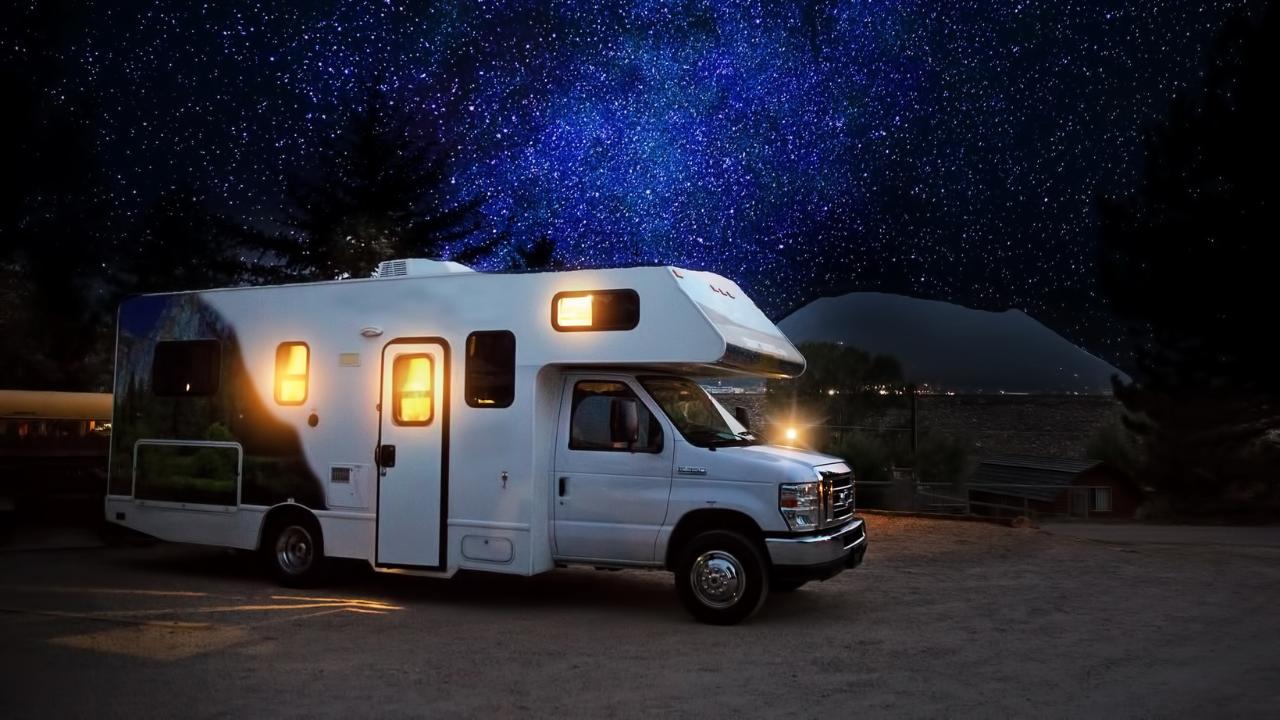
RV travel offers freedom and flexibility, allowing travelers to explore remote locations while enjoying many of the comforts of home. However, one common challenge for RV owners is maintaining reliable electricity when campsite hookups are not available. Many travelers now ask an important question: can you plug an RV directly into a portable power station?
The short answer is yes—many modern portable power stations can power an RV. However, whether it works effectively depends on several factors such as the power station's output capacity, the RV's electrical requirements, and the appliances you plan to use.
Understanding how RV electrical systems work and what portable power stations can provide will help determine whether this solution fits your travel needs.
Table of Contents
- How RV Electrical Systems Work
- Can You Connect an RV to a Portable Power Station?
- Power Requirements for RVs
- Advantages of Using a Portable Power Station for RV Travel
- Portable Power Stations Suitable for RV Power
- Tips for Connecting an RV to a Portable Power Station
- Frequently Asked Questions
How RV Electrical Systems Work
Most recreational vehicles rely on two main electrical systems. The first is a 12-volt DC system powered by onboard batteries, which typically runs lighting, water pumps, and control panels. The second is a 120-volt AC system that powers larger appliances such as microwaves, televisions, and air conditioners when the RV is connected to shore power.
When plugged into campground power, the RV receives electricity through a shore power cable that connects to a 30-amp or 50-amp outlet. Portable power stations can serve as an alternative electricity source when these hookups are unavailable.
Can You Connect an RV to a Portable Power Station?
Yes, many RV owners connect their RVs to portable power stations to supply electricity when traveling off-grid. To do this, the power station must provide sufficient AC output and compatible outlets.
Some power stations include RV-friendly outlets such as a TT-30 port, which is commonly used by many travel trailers and motorhomes. In other cases, an adapter can be used to connect the RV shore power cable to standard AC outlets on the power station.
Before connecting your RV, it is important to check the wattage capacity of the power station to ensure it can support the appliances you plan to run.
Power Requirements for RVs
Different RV appliances require different amounts of electricity. Understanding these power requirements helps determine whether a portable power station can handle your RV's energy needs.
| RV Appliance | Typical Power Use |
|---|---|
| LED Lighting | 5–20W |
| Refrigerator | 150–300W |
| Television | 60–120W |
| Microwave | 800–1200W |
| Air Conditioner | 1500W or more |
Portable power stations are ideal for powering many everyday RV appliances, though high-power devices such as air conditioners may require higher-capacity systems.
Advantages of Using a Portable Power Station for RV Travel
Quiet Operation
Unlike traditional fuel generators, battery power stations operate silently, making them ideal for campgrounds and natural environments.
No Fuel Required
Portable battery systems eliminate the need to store gasoline or propane during travel.
Indoor Safety
Because they produce no exhaust emissions, battery power stations can be used safely inside or near RV living spaces.
Solar Charging Capability
Many portable power stations support solar charging, allowing RV travelers to recharge batteries using sunlight during extended trips.
Portable Power Stations Suitable for RV Power
For RV travelers who need reliable portable electricity, higher-capacity power stations can support multiple appliances simultaneously.
The OUPES Mega 5 portable power station offers 4000W AC output and large battery capacity, making it capable of powering several RV appliances at once.
For travelers who need strong performance with slightly smaller capacity, the OUPES Mega 3 portable power station provides 3600W output and multiple power ports.
More compact options such as the OUPES Mega 2 portable power station and OUPES Mega 1 portable power station can support smaller RV appliances and electronics during trips.
Choosing the right power station depends on the appliances you plan to use and the length of your off-grid travel.
Tips for Connecting an RV to a Portable Power Station
- Check the wattage requirements of your RV appliances before connecting.
- Use proper adapters if your RV requires a 30-amp connection.
- Avoid running multiple high-power appliances simultaneously.
- Monitor battery capacity during use to prevent unexpected shutdowns.
- Consider solar panels for extended off-grid travel.
With the right setup, portable power stations can provide reliable electricity for RV camping and off-grid adventures.
Frequently Asked Questions
Can a portable power station run an RV air conditioner?
Some high-capacity power stations can run RV air conditioners, but power requirements should be carefully checked.
Do I need an adapter to connect my RV?
Many RVs require a 30-amp adapter to connect to standard AC outlets on portable power stations.
How long can a portable power station power an RV?
The runtime depends on battery capacity and the power consumption of the appliances being used.
Are portable power stations better than gas generators for RV trips?
Portable battery systems are quieter and produce no emissions, making them popular for camping environments.
Can portable power stations recharge RV batteries?
Yes, many systems can recharge RV batteries through compatible charging ports.
Can solar panels recharge portable power stations during RV trips?
Yes, solar charging allows RV travelers to recharge batteries using sunlight during extended trips.