




Why Your Shed Needs Its Own Power Supply
A backyard shed is more than storage—many homeowners use it as a workshop, gardening station, hobby room, tool space, or outdoor office. But without an electrical connection, even simple tasks like illuminating the space or charging power tools becomes inconvenient. Traditional wiring requires permits, trenching, electrician labor, and long-term costs.
A solar generator provides a safe, standalone power source without tapping into the main household grid. It operates quietly, generates no fumes, and can run tools, lighting, heating, and appliances even when the grid is down. For properties with detached sheds far from a home breaker panel, solar is often the most practical solution.
Benefits of Using Solar Power in a Shed
1. No Wiring, Permits, or Construction Work
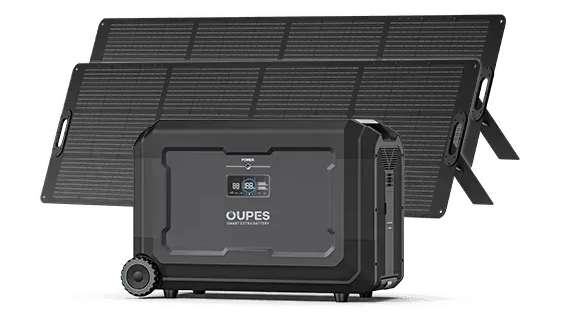
Solar generators operate independently, eliminating the need to trench electrical conduit or pay for grid connection fees. Setup is simple—place the panels outside, plug them into the unit, and activate power.
2. Reliable Power for Tools and Devices
Modern sheds often house power-hungry equipment including drills, saws, air compressors, and charging stations. A properly sized solar system ensures consistent output without overloading circuits.
3. Backup Power During Grid Failure
If your home loses electricity, your shed can remain fully operational. Lighting, heating, refrigeration, and battery charging continue without interruption—especially useful for emergency storage areas.
4. Quiet and Clean Operation
Unlike gasoline generators, solar power runs silently with zero emissions, making it safe and pleasant to use in enclosed areas.
5. Low Operating Cost Over Time
After the initial investment, sunlight is free. No fuel refills, no fumes, no routine maintenance. Long-term operating cost is minimal.
Identify Your Shed’s Power Requirements
Before choosing a unit, calculate how much power you need. Look at two numbers:
- Running wattage – continuous power required to operate equipment
- Surge wattage – short power spike needed to start motors or compressors
Typical shed equipment wattage:
| Device | Running Watts | Surge Watts |
|---|---|---|
| LED light string | 10–40W | 0W |
| Power drill | 600–900W | 900–1200W |
| Air compressor | 1000–1700W | 2000–3000W |
| Small heater | 1200–1500W | 1500–2000W |
| Laptop or charger hub | 60–200W | 0–50W |
| Mini fridge or freezer | 80–120W | 400–800W |
Add the total wattage of devices you want to run and choose a generator that exceeds that power draw. If tools like saws or compressors will be used, surge capacity and inverter strength are especially important.
How to Size a Solar Generator for Shed Use
The ideal solar generator depends on how heavily the shed is used.
| Usage Level | Example Setup | Recommended Output | Battery Capacity |
|---|---|---|---|
| Light Use | LED lights, phone charging, occasional small tools | 600–1000W | 500–1000Wh |
| Medium Workshop Use | Power tools, fans, small appliances | 1200–2500W | 1500–3000Wh |
| Heavy-Duty Work Space | Saws, compressors, heaters, refrigeration | 3000–4000W+ | 4000–10,000Wh+ |
Battery capacity determines runtime. For example, a 1500W heater running on a 2000Wh generator lasts roughly 1.2 hours. Larger systems offer much longer uptime and support simultaneous equipment use.
Solar Generator Options for Different Shed Setups
| Model | Battery Capacity | Output Power | Best Use Case |
|---|---|---|---|
| Mega 1 | 1,024Wh | 2,000W | Tool charging, lighting, light appliances |
| Mega 2 | 2,048Wh | 2,500W | Workshops with multiple devices |
| Mega 3 | 3,072Wh | 3,600W | High-demand tools & power-hungry equipment |
| Mega 5 | 5,040Wh | 4,000W | Full shed power + extended runtime |
Installation Tips for Shed Solar Power Systems
- Place solar panels facing south with unobstructed sunlight
- Use weatherproof cables and elevated mounting brackets
- Avoid shading from trees, fences, or the shed roof itself
- Store the power station indoors to protect battery longevity
- Add expansion batteries for longer runtime during winter
- Use LED lighting to reduce watt load significantly
FAQ
- How many watts do I need to power a shed?
Most homeowners need 1200–3000W depending on tool usage. - Can solar run heavy tools like saws or compressors?
Yes, but choose a generator with high surge capacity (3000W+ recommended). - How long will a solar generator run in a shed?
Runtime depends on battery size and device wattage. Larger units deliver longer operation. - Do I need solar panels to run the generator?
No—battery can be charged beforehand, but panels enable continuous power. - Can I heat a shed using solar power?
Yes, but heaters consume high wattage. Larger systems are required for winter warmth. - Can I mount panels on the shed roof?
Absolutely—roof mounting provides direct sunlight exposure and saves ground space. - Is solar cheaper than wiring a shed to the house?
Over time, yes. After installation, sunlight is free and maintenance is minimal.