




Electric blankets are one of the most popular winter comfort devices. They’re warm, efficient, and often seen as a low-cost alternative to running a whole-home heating system. But how much power do they really use? And more importantly—what does that mean during a power outage or when running on backup power?
This guide breaks down electric blanket energy consumption in real-world scenarios. You’ll learn how wattage translates into runtime, how usage habits affect electricity demand, and how to plan electric blanket use during winter storms or grid outages using a portable power station.
What Is an Electric Blanket and How Does It Work?
An electric blanket is a bedding accessory that contains built-in heating elements powered by electricity. When plugged in, these elements gently warm the blanket, providing localized heat directly to the user.
How Electric Blankets Generate Heat
- Thin resistance wires sewn into the fabric
- Electric current generates heat as it flows through the wires
- A controller regulates temperature and power flow
Because heat is delivered directly to the body, electric blankets are far more energy-efficient than heating an entire room.
Typical Power Usage of Electric Blankets
Electric blanket power consumption is generally low compared to other heating devices.
Average Wattage Range
- Low setting: 30–60 watts
- Medium setting: 60–100 watts
- High setting: 100–200 watts
The exact wattage depends on size, design, and heat level.
Electric Blanket Wattage by Size
| Blanket Size | Typical Wattage Range | Common Use Case |
|---|---|---|
| Twin | 60–100W | Single sleeper, personal warmth |
| Full | 70–120W | Individual or shared use |
| Queen | 100–150W | Two sleepers, moderate heat |
| King | 120–200W | Large bed, dual-zone heating |
What Factors Affect Electric Blanket Power Consumption?
Heat Setting
The higher the setting, the more power the blanket draws. Many users overestimate how much heat is needed.
Usage Duration
Running a blanket all night uses more power than pre-warming the bed and turning it down later.
Ambient Temperature
Colder rooms require higher settings, increasing energy consumption.
Automatic Shutoff and Thermostats
Modern electric blankets cycle power on and off to maintain temperature, reducing overall usage.
Daily and Monthly Energy Cost Breakdown
Electric blankets are among the most cost-efficient heating options available.
Daily Energy Use Example
Assume a 100W electric blanket used for 8 hours:
- 100W × 8 hours = 800Wh (0.8kWh)
Monthly Energy Cost Example
| Usage Pattern | Monthly Energy Use | Estimated Cost* |
|---|---|---|
| 8 hours/night | 24 kWh | Low |
| 6 hours/night | 18 kWh | Very Low |
| 4 hours/night | 12 kWh | Minimal |
*Actual cost depends on local electricity rates.
Using an Electric Blanket During a Power Outage
Electric blankets become especially valuable during winter power outages, when central heating may be unavailable.
Why Electric Blankets Are Ideal in Outages
- Low wattage compared to space heaters
- Direct body warmth reduces overall heat needs
- Can be powered by portable backup systems
Electric Blanket vs Space Heater Power Use
| Device | Typical Power Draw | Efficiency in Outages |
|---|---|---|
| Electric Blanket | 60–150W | High |
| Space Heater | 1000–1500W | Low |
Safety Considerations for Electric Blanket Use
General Safety Tips
- Do not fold or bunch the blanket while in use
- Avoid using with damaged cords
- Follow manufacturer time and temperature guidelines
During Power Outages
Ensure stable power output from your backup system and avoid overloading circuits.
How Portable Power Stations Support Electric Blankets
Because electric blankets draw relatively little power, they pair exceptionally well with portable power stations.
Why Backup Power Makes Sense
- Extended warmth during outages
- Reduced need for high-wattage heating
- Safe indoor operation
Estimated Runtime on Backup Power
A 100W electric blanket can run for many hours on a moderately sized power station.
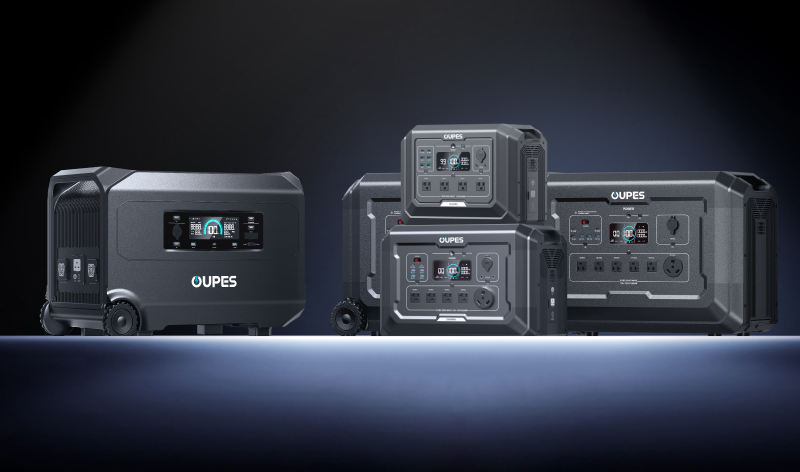
Choosing an OUPES Power Station for Electric Blanket Use
The right power station depends on how long you want to run your electric blanket and what other devices you plan to power.
| Model | Battery Capacity | Electric Blanket Runtime* | Best Use Scenario |
|---|---|---|---|
| OUPES Mega 1 | 1024Wh | 8–12 hours | Overnight warmth |
| OUPES Mega 2 | 2048Wh | 16–24 hours | Extended outages |
| OUPES Mega 3 | 3072Wh | 24–36 hours | Multi-day winter events |
| OUPES Mega 5 | 5040Wh | 40+ hours | Whole-home winter resilience |
*Runtime assumes ~100W average load and conservative usage.
How to Maximize Warmth While Minimizing Power Use
Smart Usage Strategies
- Preheat the bed, then lower the setting
- Use blankets and layered clothing together
- Turn off when not in direct use
Combining electric blankets with passive insulation dramatically reduces total energy needs.
Frequently Asked Questions
1. Do electric blankets use a lot of electricity?
No. They use significantly less power than space heaters.
2. Can I run an electric blanket all night?
Yes, if used according to safety guidelines.
3. Is an electric blanket cheaper than heating a room?
Yes. Localized heating is far more efficient.
4. Can a portable power station run an electric blanket?
Yes. Electric blankets are ideal low-wattage loads.
5. Are electric blankets safe during outages?
Yes, when powered by stable battery-based systems.
6. How many watts should I plan for?
Most users should plan for 100–150W.
7. Do electric blankets cycle power?
Yes, most modern models regulate temperature automatically.
8. What’s the biggest mistake with electric blankets?
Using unnecessarily high heat settings.