




Tornado warnings are one of the most urgent weather alerts a family can receive. Unlike general storm forecasts, a tornado warning means dangerous conditions are happening or about to happen nearby, and every minute matters. In that moment, people do not need complicated advice. They need a clear plan, a safe shelter location, and the ability to act fast under pressure.
This guide explains how to respond to tornado warnings in a practical, step-by-step way. It focuses on user education first: where to shelter, what to do before and during the storm, how to prepare for power outages, and how to stay safe after the threat has passed. Because tornadoes often bring down power lines, damage homes, and interrupt communication, reliable backup power can also play an important supporting role in family preparedness. That said, power equipment should never replace the first priority during a tornado warning: getting to the safest possible shelter immediately.
What a Tornado Warning Really Means
Many people confuse a tornado watch with a tornado warning. The difference is critical. A tornado watch means conditions are favorable for tornadoes to develop. It is a time to review your plan, charge devices, monitor alerts, and stay ready. A tornado warning is more serious. It means a tornado has been detected or strongly indicated, and you should move to shelter immediately.
That distinction matters because delay is one of the biggest risks in severe weather. People often lose valuable time trying to confirm what is happening outside, looking out windows, or gathering more belongings than they need. When a tornado warning is issued, the safest response is not to investigate. It is to act. Your goal is simple: get yourself and everyone in your household into the strongest, lowest, most interior shelter area available.
What to Do Before Tornado Season or Before a Warning Happens
The best tornado response starts long before a storm arrives. Families who prepare early are more likely to move quickly and calmly when a warning appears on their phones, weather radio, or local alerts.
Start by identifying your shelter spot. For most homes, that means a basement, storm shelter, or a small interior room on the lowest floor, away from windows. Bathrooms, closets, and interior hallways are often better choices than large open rooms. If you live in a multi-story house, do not plan to ride out a warning upstairs. Decide in advance where every family member should go.
Next, build a tornado emergency kit. It does not need to be complicated, but it should be easy to grab or already stored near your shelter area. Good items to include are:
- Flashlights and extra batteries
- A battery-powered or hand-crank weather radio
- Fully charged phones and charging cables
- Closed-toe shoes for every family member
- Helmets, thick blankets, or mattresses for head and body protection
- Water, basic first aid supplies, and essential medications
- Important documents in a waterproof bag
- Pet carriers, leashes, and pet supplies
You should also think through communication. Choose one out-of-area contact person everyone can text or call after the storm. Teach children where to go and what the alert sounds mean. If you have elderly family members, people with limited mobility, or infants, plan specifically for how to move them into shelter quickly.
Finally, prepare for outages. Tornadoes can knock out grid power for hours or days. That means no lights, no Wi-Fi, limited phone charging, and sometimes no refrigeration or medical device support. A home backup plan should cover both safety during the warning and basic needs after the storm.
What to Do the Moment a Tornado Warning Is Issued
When the warning arrives, do not wait for visual proof. Tornadoes can be wrapped in rain, hidden by darkness, or moving too fast to spot in time. Take these steps right away:
- Move to your pre-selected shelter area immediately.
- Bring your phone, weather radio, and emergency kit if they are within easy reach.
- Keep pets with you if possible.
- Wear sturdy shoes in case you need to walk through debris afterward.
- Protect your head and neck with a helmet, thick blanket, sleeping bag, or mattress.
- Stay away from windows, glass doors, and large open-span rooms.
If you are sheltering in a bathroom or closet, crouch low and face down if needed. Put as many walls as possible between you and the outside. If there is time, close interior doors behind you, but do not waste precious seconds trying to secure the whole house.
One of the most common mistakes is leaving shelter too early. Tornadic storms can produce multiple circulations, damaging winds, or rapidly changing conditions. Keep monitoring alerts and stay in place until local authorities or weather sources indicate the immediate threat has passed.
Where Is the Safest Place to Shelter?
The ideal shelter is a dedicated storm shelter or safe room. If you do not have one, the next best option is usually a basement. If there is no basement, go to the lowest floor of a sturdy building and choose a small interior room with no windows.
In practical terms, the best shelter locations usually follow this order:
- Storm shelter or safe room
- Basement
- Small interior room on the lowest floor
- Interior hallway or closet away from windows
Avoid large rooms with wide roofs, such as gyms, warehouses, or open living rooms with long spans. Avoid rooms with many windows. Do not open windows during a tornado warning. That old advice is outdated and dangerous because it wastes time and increases exposure to debris.
If you live in an apartment, know where to go before a warning is issued. A first-floor interior hallway, stairwell, or designated shelter area is usually safer than remaining on an upper floor near windows. Talk with your building management in advance if tornado risk is common in your area.
What If You Are in a Car, RV, or Mobile Home?
This is where planning becomes especially important. Vehicles, RVs, and mobile homes are not safe places to stay during a tornado warning. If you live in a mobile home or are traveling in an RV, you should identify nearby sturdy shelter options ahead of time whenever severe weather is possible.
If a tornado warning is issued while you are on the road, do not try to outrun a tornado unless you have clear information, a safe route, and enough distance to reach a sturdy shelter immediately. In many situations, traffic, poor visibility, debris, and storm motion make escape far more dangerous than people expect. The best option is often to get into a strong building as quickly as possible.
For families who camp, road trip, or live part-time in RVs, storm preparedness should be built into travel planning. That includes checking forecasts before moving, understanding local alert systems, and knowing where community shelters, rest stops, or sturdy public buildings are located.
How to Prepare for the Power Outage After a Tornado
Even when a tornado warning ends without direct damage to your home, nearby infrastructure can still be affected. Fallen trees, damaged substations, and downed lines may leave neighborhoods without electricity. That is why tornado preparation should include an outage strategy, not just a shelter strategy.
Start with the essentials: lighting, phone charging, emergency information, refrigeration for critical medicine, and basic comfort. Flashlights are safer than candles. Keep multiple charging cables in one place. Download offline maps and emergency contact lists ahead of time. If you rely on refrigerated medication, powered medical devices, or backup internet for emergency communication, plan for those needs specifically.
Households in tornado-prone regions often benefit from a portable backup power setup that can be used after the danger has passed. The right solution depends on how much power you need and how long you may be without the grid. Smaller units are helpful for phones, radios, lights, and laptops. Larger systems can support more demanding home essentials for longer periods.
Backup Power for Communication and Essentials
When writing about tornado preparation, it is important to keep priorities in the right order. During the warning itself, your focus should be shelter and survival. Afterward, however, reliable stored power can help your household stay informed, connected, and safer during recovery.
For lighter backup needs, the OUPES Mega 2 is a practical option for keeping phones, radios, lights, laptops, and other daily essentials running during a short outage. It fits well for users who want a balance between portability and meaningful backup support.
For families who want more capacity for home emergency use, the OUPES Mega 5 offers a larger energy reserve and stronger output, making it more suitable for extended outages or a wider range of household devices. This kind of system is useful when you want to maintain communication, lighting, and selected appliances during storm-related disruptions.
If you are preparing for more demanding home backup scenarios, the OUPES Guardian 6000 can be considered for higher-capacity emergency planning. For users in severe-weather regions, a larger backup system may provide more flexibility after the storm, especially when outages last beyond a few hours.
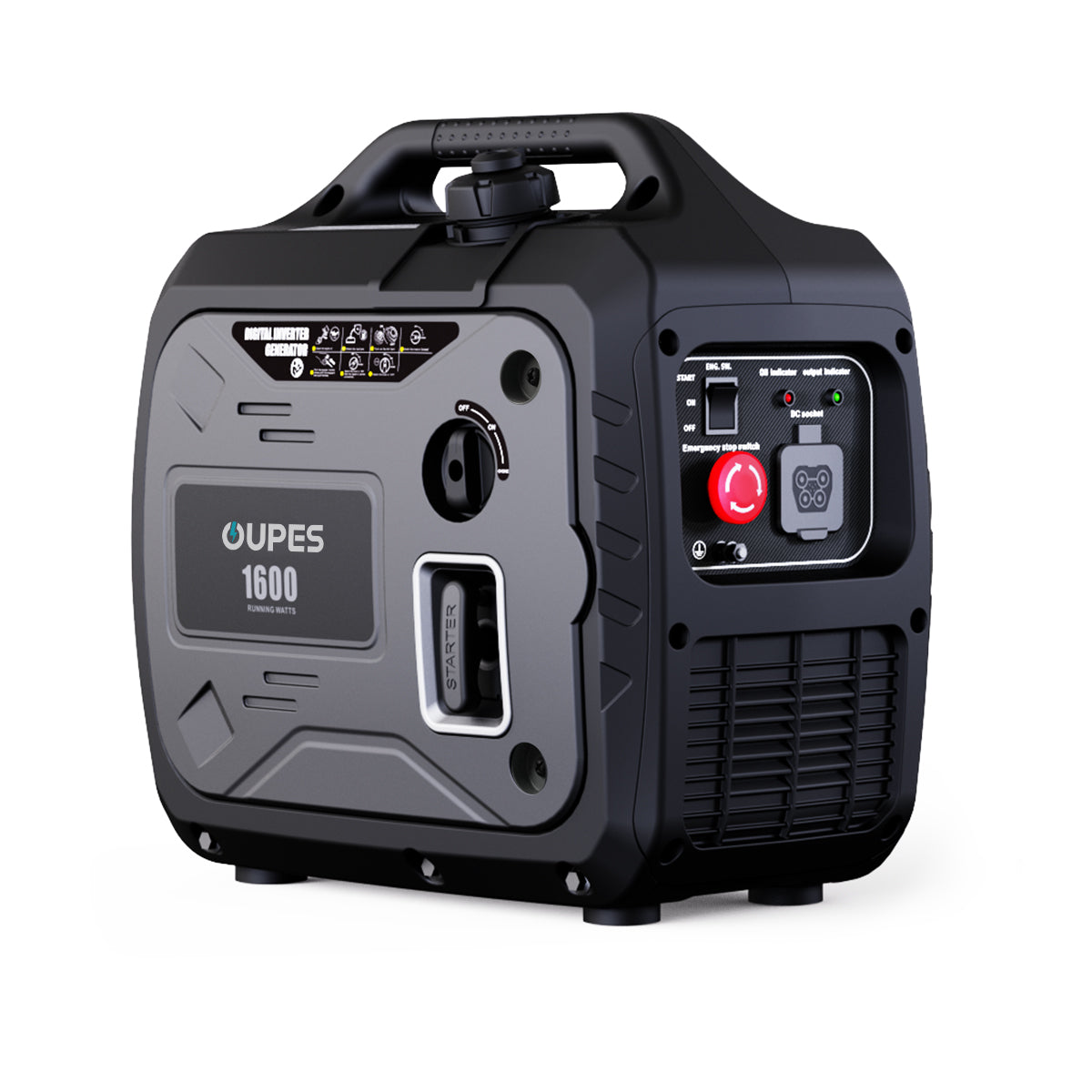
Whatever system you choose, safe use matters. Never use fuel-burning generators indoors, in garages, or near windows, doors, or vents. Carbon monoxide is a serious post-storm hazard. For many households, a battery-based power station is appealing in emergency planning because it can provide quiet, instant backup power for electronics and selected essentials without combustion during indoor use. Still, every household should match capacity and output to real needs, not just marketing claims. A good preparedness setup is the one you understand, test, and can rely on when stress is high.
What to Do After the Tornado Passes
Once the immediate threat is over, do not assume everything is safe. Tornado aftermath can be dangerous in different ways. Broken glass, nails, collapsed structures, gas leaks, damaged electrical systems, and downed power lines are common hazards.
Use these post-storm safety steps:
- Check yourself and others for injuries first.
- Stay away from damaged buildings until officials say they are safe.
- Watch for downed power lines and standing water near electrical equipment.
- Use flashlights instead of candles if the power is out.
- Text rather than call when networks are overloaded.
- Document damage carefully for insurance purposes when conditions are safe.
If your home is heavily damaged, leave the area carefully and follow local emergency guidance. Wear sturdy shoes, gloves, and long sleeves if you need to move through debris. Be cautious with food safety, especially if refrigeration has been lost for a long period. If local authorities issue boil-water advisories or shelter information, follow those instructions closely.
One more point matters for long-term resilience: review your response after every severe weather event. Ask what worked, what slowed you down, and what supplies were missing. The best emergency plans improve over time. Tornado preparedness is not about fear. It is about reducing hesitation, increasing awareness, and making sure your family knows exactly what to do when seconds count.
Final Thoughts
So, how should we deal with tornado warnings? The answer is simple in principle, even if the moment feels stressful: understand the alert, move to shelter immediately, protect your head and body, stay informed, and prepare for the outage and recovery period that may follow. The most effective tornado safety plan combines fast action, a safe shelter location, a clear family routine, and practical emergency supplies.
Products and backup systems can support recovery, but they are only one part of preparedness. The real foundation is awareness, planning, and practice. If your household takes time now to choose a shelter area, build a basic kit, and prepare for power loss, you will be in a much stronger position when the next warning arrives.
FAQ
1. What should I do first when a tornado warning is issued?
Go to your safe shelter immediately. Do not wait to see the tornado or spend extra time gathering belongings.
2. What is the difference between a tornado watch and a tornado warning?
A tornado watch means conditions are favorable for tornadoes. A tornado warning means a tornado is detected or strongly indicated, and you need to take shelter right away.
3. Is a bathroom a good place to shelter?
It can be, if it is a small interior bathroom on the lowest floor and away from windows. The key is to put as many walls as possible between you and the outside.
4. Should I open windows during a tornado warning?
No. That is outdated advice. Opening windows wastes time and can increase your risk from flying glass and debris.
5. Are cars, RVs, or mobile homes safe during a tornado warning?
No. They are much less safe than a sturdy building. Move to a strong shelter as quickly as possible if one is available.
6. What should be in a tornado emergency kit?
Include flashlights, batteries, a weather radio, water, first aid items, charging cables, sturdy shoes, medications, and protection such as helmets or thick blankets.
7. Why is backup power useful after a tornado?
It helps keep phones, lights, radios, and selected essentials running during outages. This can improve communication, safety, and comfort while the grid is down.
8. Can I use a generator indoors after a tornado?
No. Fuel-burning generators should never be used indoors, in garages, or near windows and doors because of carbon monoxide danger.
9. How do I know when it is safe to leave shelter?
Stay in shelter until the immediate threat has clearly passed and you have checked trusted local weather or emergency alerts. Conditions can remain dangerous even after the first warning sound.