




Winter storms are one of the leading causes of long-lasting power outages. Heavy snow, ice accumulation, and strong winds can damage power lines, overwhelm repair crews, and leave entire communities without electricity for hours—or even days.
This survival guide is designed to help you manage power outages during a winter storm in a calm, practical, and effective way. From preparation and real-time decision-making to safe power usage and recovery, you’ll learn how to protect your home, your family, and your essential needs when the grid goes down.
Why Winter Storms Cause Power Outages
Winter storms stress the electrical grid in ways few other weather events do. Snow, ice, and wind often combine, creating multiple points of failure at once.
Main Causes of Winter Power Outages
- Ice accumulation weighing down power lines
- Falling trees and branches
- High electricity demand for heating
- Limited access for repair crews due to road conditions
Because these failures often occur across large areas, restoration can take much longer than expected.
What Happens When the Power Goes Out in Winter
Loss of Heat
Most heating systems rely on electricity for ignition, controls, or air circulation. When power fails, indoor temperatures can drop rapidly.
Lighting and Visibility Issues
Darkness increases the risk of falls, injuries, and household accidents—especially during nighttime outages.
Communication Disruptions
Internet routers, mobile devices, and emergency alerts all require electricity to function.
Frozen Pipes and Property Damage
Without heat, pipes can freeze and burst, causing damage that often appears after power returns.
How to Prepare for a Winter Storm Power Outage
Assume the Outage Will Happen
Preparation should begin as soon as a winter storm warning is issued—not after the lights go out.
Build a Winter Emergency Kit
- Non-perishable food and drinking water for 3–7 days
- Warm blankets, sleeping bags, and winter clothing
- Flashlights and emergency lighting
- Basic first-aid supplies
Prepare Your Home
- Seal drafts around windows and doors
- Insulate exposed pipes
- Clear snow-prone areas around entrances
Plan for Independent Power
Backup power is one of the most effective ways to reduce risk and discomfort during winter outages.
What to Do During a Winter Storm Power Outage
Act Immediately
Don’t wait to see how long the outage lasts. Assume it could extend overnight or longer.
Create a Warm Living Zone
- Choose one insulated room
- Close doors to unused spaces
- Block drafts with towels or blankets
Protect Your Plumbing
- Let faucets drip slightly
- Open cabinets under sinks
- Maintain minimal indoor heat if possible
Stay Informed
Keep at least one communication device powered to receive weather updates and emergency notices.
Staying Warm and Safe Without Grid Power
Dress for Indoor Survival
- Wear layered clothing
- Use hats, socks, and gloves indoors
- Share body heat when appropriate
Use Heating Devices Carefully
Only use heating equipment that is safe for indoor operation and within your available power limits.
Avoid Fire Hazards
Improvised heat sources and open flames increase fire risk during winter outages.
Managing Power Priorities During an Outage
When backup power is limited, how you use it matters as much as having it.
Essential Loads to Prioritize
- Heating system controls or fans
- Lighting in key areas
- Refrigerator and freezer
- Communication and medical devices
Power Conservation Strategies
- Use power in short cycles
- Turn off non-essential devices
- Lower heating load when possible
How Portable Power Stations Help During Winter Outages
Portable power stations provide clean, quiet electricity indoors—without fuel, fumes, or complex setup.
Why Portable Power Works Well in Winter
- Safe indoor operation
- Instant power availability
- No dependence on fuel deliveries
Common Winter Outage Use Cases
- Maintaining lighting and visibility
- Supporting heating system components
- Keeping food from spoiling
- Charging phones and emergency devices
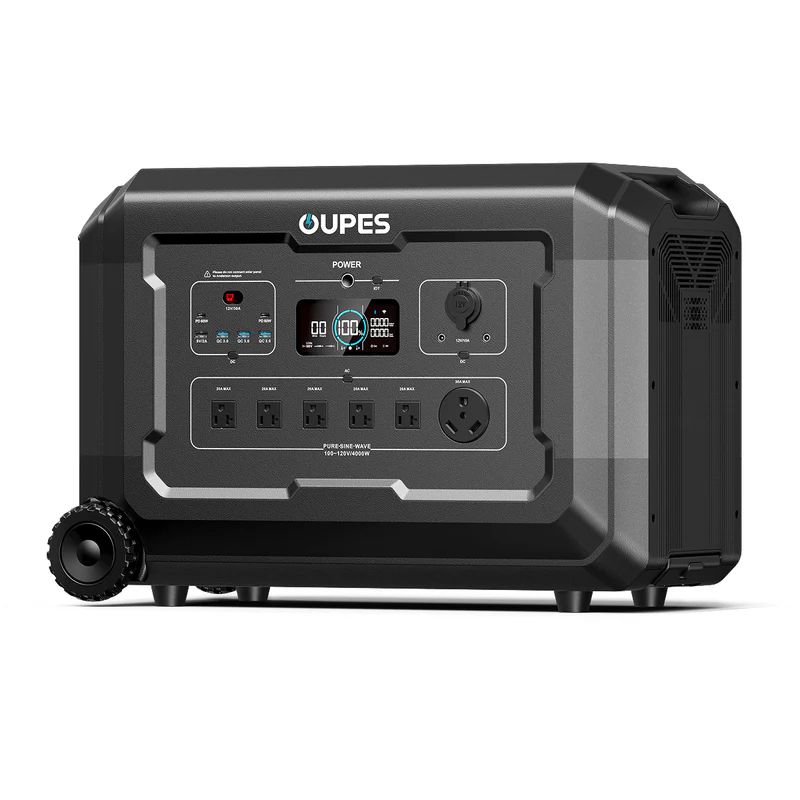
Choosing an OUPES Power Station for Winter Storms
The right power station depends on outage duration, household size, and heating needs.
| Model | Battery Capacity | Output Power | Winter Storm Use Case | Estimated Runtime* |
|---|---|---|---|---|
| OUPES Mega 1 | 1024Wh | 2000W | Short outages, essentials | 8–12 hours |
| OUPES Mega 2 | 2048Wh | 2500W | Overnight outages | 1–2 days |
| OUPES Mega 3 | 3072Wh | 3600W | Multi-day winter outages | 2–3 days |
| OUPES Mega 5 | 5040Wh | 4000W | Extended winter resilience | 3–5 days+ |
*Runtime varies based on temperature, load, and usage habits.
How to Choose
- Plan for at least 48–72 hours without grid power
- Prioritize heating and lighting loads
- Consider expandable capacity for severe storms
What to Do After Power Is Restored
Inspect Your Home
- Check pipes for leaks or cracks
- Inspect heating systems before full operation
Recharge and Restock
Recharge your power station immediately and replenish emergency supplies.
Review and Improve
Every winter outage is a learning opportunity. Adjust your preparedness plan accordingly.
Frequently Asked Questions
1. How long do winter storm power outages usually last?
From several hours to multiple days, depending on storm severity.
2. Is it safe to use a power station indoors?
Yes. Battery-based power stations produce no emissions.
3. Can a power station keep my house warm?
It can support heating systems and supplemental heaters within safe limits.
4. How much power should I prepare for?
Enough to support essential needs for at least 48–72 hours.
5. Should I turn off my main breaker during an outage?
It can help protect appliances from power surges when electricity returns.
6. Are winter outages becoming more common?
Yes. Extreme winter weather events are increasing in frequency.
7. Can frozen pipes burst after power returns?
Yes. Damage often appears during thawing.
8. What is the biggest mistake during winter outages?
Underestimating how long the outage will last.