




Table of Contents
- Introduction: Why Solar Generators Are More Useful Than Ever
- How Solar Generators Work
- Key Benefits of Solar Generators
- Practical Applications of Solar Generators
- Best OUPES Solar Generators for Different Needs
- Solar Generator Output Comparison Table
- FAQ
Introduction: Why Solar Generators Are More Useful Than Ever
Solar generators have evolved from niche camping gadgets into essential tools for households, RV travelers, and individuals preparing for emergencies. As storms, grid failures, and energy costs rise, more people are turning to clean, renewable backup power solutions that are quiet, safe, and easy to operate.
Unlike gas generators, solar generators do not require fuel, emit no fumes, and can be safely used indoors. They store energy in high-capacity batteries—often lithium-based—and can run everything from smartphones to CPAP machines, refrigerators, and even power-hungry appliances depending on capacity.
This article breaks down what solar generators are good for, how they work, the advantages they provide, and which OUPES models best match different usage scenarios. Whether you're evaluating backup power for your home, off-grid living, or outdoor travel, this guide offers a full, easy-to-understand overview.
How Solar Generators Work
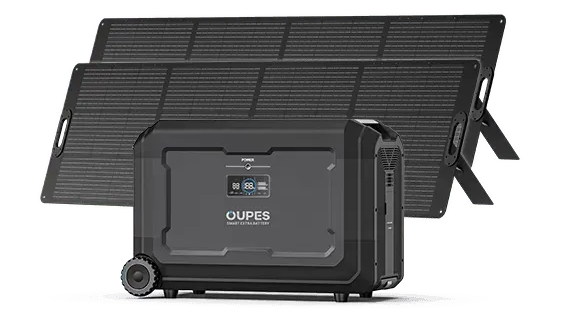
A solar generator is a portable power system that stores electrical energy from solar panels in a high-capacity battery. It includes:
- Solar panels – Capture sunlight and convert it into DC electricity.
- Charge controller – Regulates input voltage and protects the battery.
- Battery storage (e.g., LiFePO4) – Holds energy for use anytime.
- Inverter – Converts DC power into AC power for appliances.
Because solar generators rely on stored energy rather than direct sunlight, they continue powering devices even after sunset. This makes them a reliable backup source for critical situations such as blackout emergencies and medical device operation.
Why Solar Generators Are Practical
Solar generators require no fuel, no oil changes, no exhaust management, and minimal maintenance. They are ideal for environments where ventilation is limited, fuel is unavailable, or silence is required.
Key Benefits of Solar Generators
1. Zero Fuel, Zero Emissions
Solar generators run entirely on renewable energy, making them environmentally friendly and cost-effective. No gasoline, propane, or diesel is required—reducing operating costs and eliminating fire hazards.
2. Silent Operation
Solar generators operate quietly because they have no combustion engine. This makes them suitable for campgrounds, apartments, hospitals, or indoor nighttime use.
3. Safe for Indoor Use
Since they produce no carbon monoxide, solar generators are safe indoors—unlike gas generators, which must always stay outside. This is essential in winter storms or emergency conditions.
4. Low Maintenance
No engine means no oil changes, filters, spark plugs, or mechanical failures. Routine care mostly involves keeping the battery charged and storing the unit properly.
5. Ideal for Long-Term Savings
With a long cycle life (especially LiFePO4 models), solar generators offer years of reliable use. They help reduce dependency on costly grid power during outages or peak-rate billing periods.
Practical Applications of Solar Generators
Home Backup Power
Solar generators are excellent emergency tools when storms or grid issues cause outages. Depending on the unit size, they can power:
- Refrigerators and freezers
- Wi-Fi routers
- Lights and fans
- Medical devices such as CPAP machines
- Mobile phones, laptops, and communication devices
For larger appliances like microwaves, space heaters, or sump pumps, higher-capacity OUPES models are ideal.
RV and Van Life
Solar generators are one of the most popular solutions for RV travelers due to their quiet performance and ability to recharge off-grid. They can power:
- 12V fridges
- LED lighting
- Water pumps
- Electric cooktops (with higher-wattage models)
- Computers and entertainment devices
Camping and Outdoors
Solar generators allow travelers to charge personal devices, run portable coolers, inflate mattresses, or power cooking equipment far from electrical outlets. With solar panels, they can recharge daily using free sunlight.
Construction and Outdoor Worksites
High-output solar generators support tools such as:
- Drills
- Saws
- Air compressors (with sufficient wattage)
Ideal for remote job sites where noise restrictions or fuel availability are concerns.
Off-Grid Cabins and Remote Property
Solar generators help property owners power remote cabins without installing a full solar system. They can run lighting, refrigeration, communication devices, and small kitchen appliances.
Emergency Preparedness
Solar generators are increasingly recommended by disaster-preparedness experts for hurricane zones, wildfire-prone regions, and snowstorm areas. Since they are self-recharging with solar panels, they offer longer autonomy than gas generators during prolonged outages.
Best OUPES Solar Generators for Different Needs
OUPES designs solar generators with long-lasting LiFePO4 batteries, high inverter output, and fast solar charging—making them ideal for all the scenarios listed above.
OUPES Mega 2 (2048Wh / 2500W)
- Suitable for camping, RVs, CPAP, and refrigerator backup
- Dual AC + solar fast charging
- Great balance of portability and power
OUPES Mega 3 (3072Wh / 3600W)
- Runs high-wattage appliances like power tools or small HVAC systems
- Excellent for full-time RV or home backup
- Long-life LiFePO4 battery
OUPES Mega 5 (5040Wh / 4000W)
- Whole-home backup potential
- Expandable energy storage
- Built for multi-day outages and off-grid living
Solar Generator Output Comparison Table
| Model | Battery Capacity | AC Output | Best Use Case |
|---|---|---|---|
| OUPES Mega 2 | 2048Wh | 2500W | Camping / RV / Small Home Backup |
| OUPES Mega 3 | 3072Wh | 3600W | High-Load Devices / Tools / RV Full-Time |
| OUPES Mega 5 | 5040Wh | 4000W | Whole Home / Multi-Day Outage / Off-Grid Power |
FAQ
1. Are solar generators good for powering a whole home?
Large models like the OUPES Mega 5 can support essential appliances across an entire home during outages.
2. How long do solar generators last?
With LiFePO4 batteries, many units last over 10 years or 3,500+ charge cycles.
3. Can solar generators run power tools?
Yes—especially models with 2500W+ output. Mega 3 and Mega 5 are ideal.
4. Can a solar generator power an RV air conditioner?
A high-wattage model may handle smaller A/C units, depending on surge wattage.
5. Are solar generators safe indoors?
Yes. They emit no fumes and operate silently.
6. How many solar panels do I need?
Most users pair 200W–1200W solar arrays depending on generator size and charging needs.
7. Can I charge a solar generator while using it?
Most OUPES models support pass-through charging to supply power while recharging.
8. Do they work in cloudy weather?
Yes, though charging speed decreases. Stored energy ensures continuous power.