




.png)
When winter storms hit and the grid goes down, backup power becomes more than a convenience—it becomes a necessity. Traditionally, many households turn to gas generators. But in cold, snowy, and icy conditions, gas generators often introduce new problems instead of solving them.
This article takes a scenario-based, practical look at why solar generators offer clear advantages over gas generators in winter conditions. From safety and reliability to real-world usability during freezing temperatures, we’ll help you understand which option actually performs better when winter is at its worst.
Why Winter Power Outages Are Different
Winter outages are often more dangerous than outages in other seasons. Cold temperatures turn power loss into a health and safety issue, not just an inconvenience.
Unique Winter Challenges
- Freezing temperatures threaten pipes and indoor safety
- Snow and ice limit outdoor access
- Fuel supply chains are easily disrupted
- Longer restoration times due to hazardous conditions
Backup power in winter must work reliably, safely, and indoors.
How Gas Generators Perform in Winter
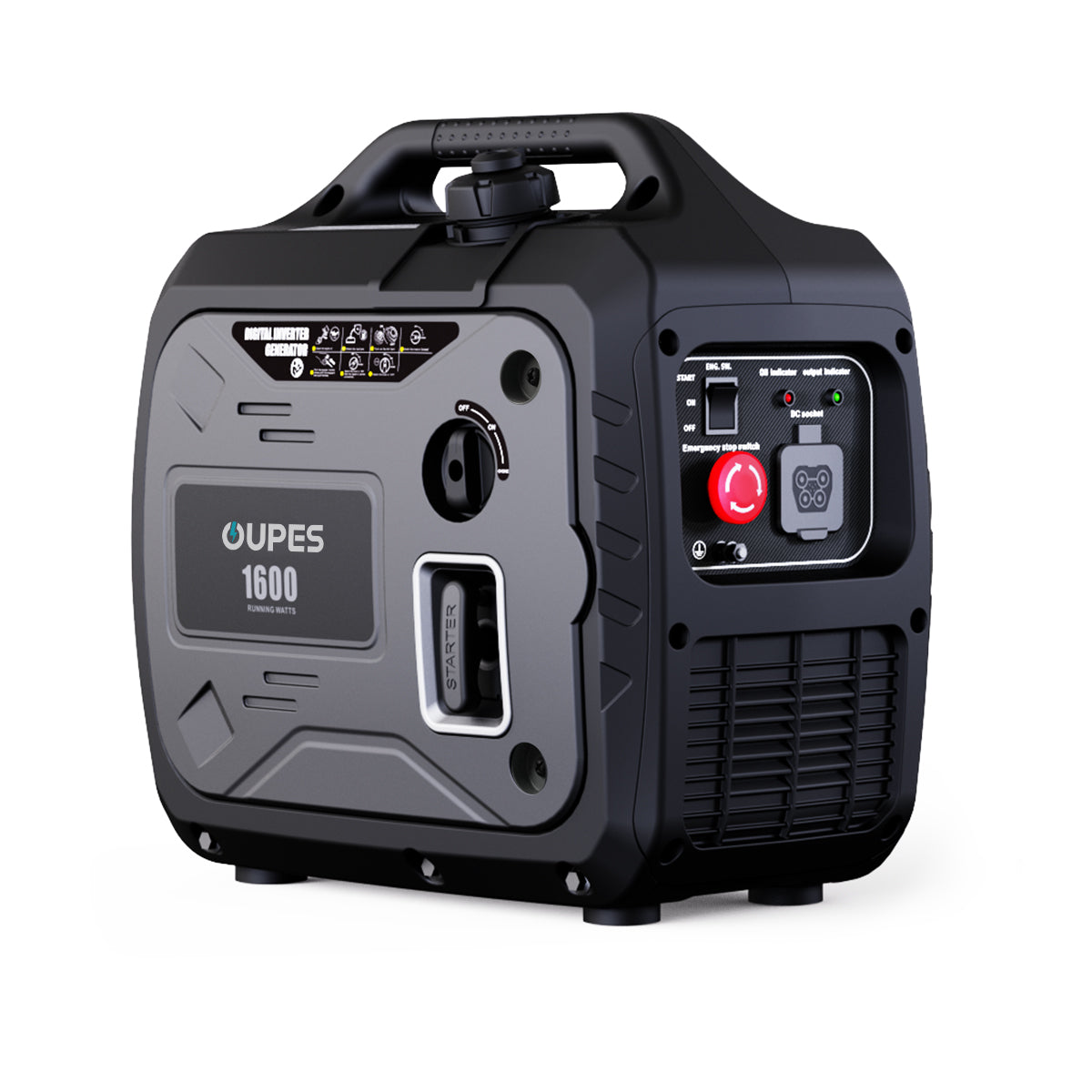
Gas generators rely on combustion engines, fuel availability, and outdoor operation. In winter, each of these requirements becomes a vulnerability.
Common Winter Problems with Gas Generators
- Hard starting in cold temperatures
- Fuel thickening or gelling
- Snow and ice blocking ventilation
- Dangerous carbon monoxide risk
What works in summer can fail quickly in freezing conditions.
How Solar Generators Perform in Winter
Solar generators are battery-based systems that do not rely on combustion. Their operation is fundamentally different—and better suited to winter emergencies.
Winter Advantages by Design
- No engine startup required
- No fuel to freeze or degrade
- Safe indoor operation
- Multiple charging options
Cold weather affects batteries, but predictable planning easily offsets this.
Safety: The Biggest Winter Difference
Safety is where solar generators clearly outperform gas generators in winter.
Gas Generator Safety Risks
- Carbon monoxide poisoning
- Fire risk from fuel handling
- Operation required outdoors in icy conditions
Solar Generator Safety Benefits
- No emissions
- No flammable fuel
- Designed for indoor use
In winter storms, minimizing exposure to cold and risk is critical.
Cold Weather Reliability and Startup
Reliability during the first minutes of an outage often determines comfort and safety.
Gas Generators in Cold Weather
- May require multiple pull-start attempts
- Carburetor and oil issues in low temperatures
- Battery starters often fail in cold
Solar Generators in Cold Weather
- Instant power at the push of a button
- No mechanical components to freeze
- Consistent output indoors
When power is needed immediately, simplicity matters.
Fuel Access vs Recharge Flexibility
Fuel availability is one of the biggest winter vulnerabilities.
Gas Generator Fuel Challenges
- Gas stations lose power
- Roads may be impassable
- Fuel storage has safety limits
Solar Generator Charging Options
- Wall charging before storms
- Vehicle charging if travel is possible
- Solar recharging during daylight
Flexibility increases survival time during extended outages.
Indoor Use and Living Space Safety
Winter emergencies force people indoors for long periods.
Gas Generators
Must be operated outdoors, often in snow or freezing rain, increasing risk and discomfort.
Solar Generators
Operate safely inside living spaces, providing power where it’s actually needed.
This alone changes how backup power is experienced during winter.
Noise, Stress, and Winter Living Comfort
Extended winter outages are stressful enough without constant noise.
Noise Comparison
- Gas generators: loud, continuous engine noise
- Solar generators: near-silent operation
Quiet power improves sleep, communication, and mental well-being during storms.
Maintenance and Storage in Winter
Gas Generator Maintenance
- Oil changes
- Fuel stabilizers
- Winterization procedures
Solar Generator Maintenance
- Minimal routine maintenance
- Simple storage guidelines
Lower maintenance means fewer failure points.
Solar Generator vs Gas Generator: Winter Comparison
| Category | Gas Generator | Solar Generator |
|---|---|---|
| Cold weather startup | Unreliable | Instant |
| Indoor safety | No | Yes |
| Fuel dependency | High | None |
| Noise level | High | Low |
| Maintenance | Frequent | Minimal |
| Winter usability | Limited | Excellent |
Real-World Winter Scenarios
Scenario 1: Overnight Winter Storm Outage
A solar generator provides quiet, immediate indoor power without exposure to freezing conditions.
Scenario 2: Multi-Day Ice Storm
Fuel shortages make gas generators unreliable, while solar generators continue operating with careful energy management.
Scenario 3: Apartment or Urban Living
Solar generators are often the only practical and safe backup option.
Why OUPES Solar Generators Are Built for Winter Emergencies
OUPES solar generators are designed to address winter-specific challenges.
Key Design Benefits
- High-capacity batteries for extended outages
- Strong inverter output for essential appliances
- Battery management systems for cold-weather protection
| Model | Battery Capacity | Output Power | Winter Use Case |
|---|---|---|---|
| OUPES Mega 1 | 1024Wh | 2000W | Short outages, essentials |
| OUPES Mega 2 | 2048Wh | 2500W | Overnight warmth |
| OUPES Mega 3 | 3072Wh | 3600W | Multi-day outages |
| OUPES Mega 5 | 5040Wh | 4000W | Extended winter resilience |
Frequently Asked Questions
1. Do solar generators work in winter?
Yes, with proper planning and charging.
2. Are gas generators dangerous in winter?
Yes, especially due to carbon monoxide risk.
3. Can solar generators power heaters?
They can support low-wattage heating solutions.
4. What happens if there’s no sun?
Stored energy and vehicle charging provide backup.
5. Are solar generators quieter?
Yes, significantly quieter than gas generators.
6. Which is better for apartments?
Solar generators are far safer and more practical.
7. Do solar generators need winter maintenance?
Very little compared to gas generators.
8. What’s the biggest winter advantage?
Safe, reliable indoor power without fuel dependence.