




- Why home backup power matters during frequent outages
- Common causes of frequent power outages
- Types of home backup power systems
- Why solar-based backup systems are ideal for frequent outages
- Key features to look for in a home backup system
- Recommended home backup configurations
- Installation and usage tips for frequent outages
- FAQ
Why home backup power matters during frequent outages
Frequent power outages are no longer rare events. Aging electrical grids, extreme weather, wildfires, heat waves, and growing electricity demand are causing interruptions that can happen multiple times per year—or even per month in some regions.
When outages are occasional, short-term fixes may be enough. But when outages happen repeatedly, homeowners need a dependable, long-term backup power solution that can operate safely, quietly, and consistently.
A reliable home backup power system can:
- Keep refrigerators and freezers running to prevent food loss
- Maintain internet and communication for remote work or emergency alerts
- Power medical devices, CPAP machines, or mobility equipment
- Support heating, cooling, and lighting during extreme temperatures
- Reduce stress and disruption to daily life
Common causes of frequent power outages
Understanding why outages happen can help you choose the most appropriate backup power system.
Extreme weather events
Storms, hurricanes, ice, heavy snow, and heat waves place enormous strain on power infrastructure. High winds can knock down lines, while extreme heat can overload transformers.
Grid congestion and aging infrastructure
In many areas, the electrical grid was not designed for modern energy consumption levels. As demand increases, planned rolling blackouts and unexpected failures become more common.
Wildfire prevention shutoffs
In wildfire-prone regions, utilities may intentionally shut off power to reduce fire risk, resulting in repeated outages lasting hours or days.
Remote or rural locations
Homes far from urban centers often experience longer repair times after outages, making backup power especially important.
Types of home backup power systems
There are several categories of backup power systems available. Each has advantages and limitations, especially when outages are frequent.
Fuel-based generators
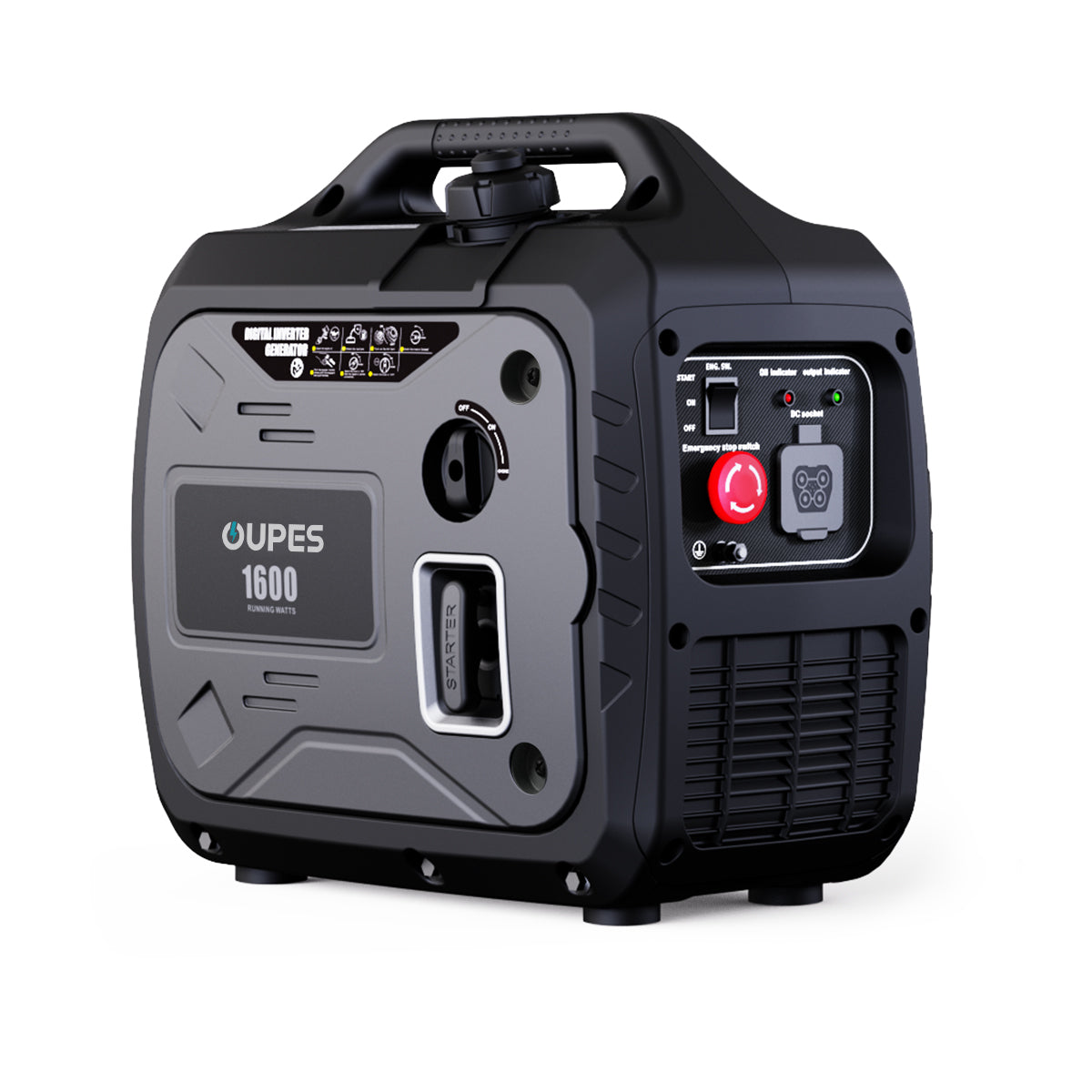
These systems rely on gasoline, propane, or diesel. While they can provide high output power, they require fuel storage, produce noise and emissions, and depend on fuel availability during emergencies.
For frequent outages, fuel logistics and maintenance can become burdensome.
Battery-based backup systems
Battery systems store electricity and provide clean, instant power. They are quiet, emission-free, and suitable for indoor use. However, systems without renewable recharging depend entirely on grid availability.
Solar-powered backup systems
Solar-based backup power combines battery storage with solar recharging. This allows homes to generate and store electricity independently, making these systems particularly effective for frequent or prolonged outages.
Why solar-based backup systems are ideal for frequent outages
For homes that experience outages often, solar-powered backup systems offer several critical advantages over traditional solutions.
Energy independence
Solar recharging allows your system to recover even when the grid remains down. This is essential during multi-day outages.
Lower long-term operating costs
Unlike fuel generators, solar systems do not require ongoing fuel purchases. Over time, this significantly reduces total cost of ownership.
Quiet and safe operation
Solar generators operate silently and produce no fumes, making them safe for indoor use and residential neighborhoods.
Scalability and flexibility
Modern systems allow capacity expansion through additional battery modules, adapting as your household needs change.
Key features to look for in a home backup system
Not all backup systems are equally suitable for frequent outages. The following features are especially important.
High inverter output
Look for systems with sufficient continuous output to run essential appliances simultaneously, such as refrigerators, microwaves, sump pumps, and networking equipment.
Expandable battery capacity
Frequent outages demand flexibility. Systems that support extra batteries can scale from a few hours of backup to multiple days.
Fast recharging options
Efficient AC and solar charging ensures the system can recover quickly between outages.
Multiple output ports
AC outlets, USB ports, and DC outputs increase compatibility with household devices.
Advanced battery management system (BMS)
A high-quality BMS protects against overcharging, overheating, and short circuits, extending system lifespan and improving safety.
Recommended home backup configurations
Below are example configurations based on household size and outage frequency.
| Household Need | Suggested Battery Capacity | Output Power Range | Typical Use Case |
|---|---|---|---|
| Essential backup | 1–2 kWh | 1,000–2,000W | Internet, lighting, small appliances |
| Extended outage support | 3–5 kWh | 2,500–3,600W | Refrigerator, microwave, medical devices |
| Whole-home essentials | 5–10+ kWh | 4,000W+ | Multiple rooms, heating support, long outages |
For homes experiencing frequent outages, expandable solar generator systems are often the most future-proof choice.
Installation and usage tips for frequent outages
Prioritize critical circuits
Identify which appliances are essential and avoid overloading the system during outages.
Optimize solar panel placement
Ensure panels receive maximum sunlight, especially during winter months when daylight is limited.
Monitor usage regularly
Tracking consumption helps extend runtime and plan battery expansion if needed.
Keep batteries within recommended temperature ranges
Proper temperature management improves performance and longevity.
FAQ
1. What is the best backup power option for frequent outages?
Solar-powered battery systems are ideal because they recharge independently and avoid fuel dependency.
2. Can a home backup system power an entire house?
Yes, with sufficient output power and expandable battery capacity, essential whole-home loads can be supported.
3. How long can a backup power system run during an outage?
Runtime depends on battery capacity and energy usage. Expandable systems can last from hours to several days.
4. Are solar backup systems safe to use indoors?
Yes. They produce no emissions and are designed for safe indoor operation.
5. Do I need sunlight for a backup system to work?
The system can run on stored energy alone, but sunlight allows recharging during extended outages.
6. Are backup systems difficult to maintain?
Battery-based solar systems require minimal maintenance compared to fuel generators.
7. Can these systems be expanded later?
Many modern systems support additional batteries and solar panels as needs grow.
8. Are frequent outages a sign I should invest in backup power?
Yes. Repeated outages indicate a higher risk environment where long-term backup power is a practical investment.