




What is a Dual-Voltage Portable Power Station?
A dual-voltage portable power station is a mobile energy device capable of delivering two different voltage outputs — typically low-voltage DC (often 12V/24V) and high-voltage AC (110V/220V depending on region). This feature allows users to power a broad range of devices without needing converters or step-up/step-down transformers.
Unlike standard portable power stations that offer only one voltage range, dual-voltage systems provide flexibility for both everyday electronics and high-demand appliances, making them ideal for off-grid living, outdoor recreation, emergency backup power, and professional field work.
How Does Dual-Voltage Output Work?
Dual-voltage stations contain two separate power regulation circuits — one designed for low-voltage applications and the other for high-voltage AC output through an inverter. Users can draw from either system depending on their needs.
Typical Voltage Output Ranges
| Voltage Type | Common Output | Device Examples |
|---|---|---|
| Low-Voltage DC | 12V / 24V | Car fridges, routers, lighting, CPAP |
| Standard AC | 110V ± or 220V ± depending on model | TVs, fans, laptops |
| High-Demand AC | Up to 220V Dual-mode | Power tools, heaters, pumps |
The ability to switch between voltages ensures stable output and prevents overload when powering sensitive electronics alongside heavy appliances.
Why Choose Dual-Voltage Instead of Single-Voltage?
A single-voltage unit works fine for phones, USB electronics, or basic appliances. However, when powering large loads such as well pumps, RV air conditioners, or power tools, voltage flexibility becomes crucial.
Key Advantages
- Power both small and high-load equipment with one machine.
- No adapters or transformers needed for voltage conversion.
- Better efficiency for high-drain devices like heaters and compressors.
- More reliable for emergency home backup and off-grid living.
- Ideal for RV travel, job-site work, and outdoor expeditions.
Real-Life Uses: Where Dual-Voltage Matters Most
A dual-voltage system becomes most valuable when outlet needs vary or when running power-hungry appliances outdoors or off-grid. Below are the most common usage scenarios:
1. Emergency Home Backup
During blackouts, powering mixed-voltage appliances becomes necessary — low-watt LED lights alongside refrigerators or medical machines. Dual-voltage solutions simplify this setup.
2. RV, Van, & Mobile Living
12V/24V-efficient systems reduce battery drain for vehicle appliances, while 110–220V outputs run microwaves, electric kettles, and climate control units when needed.
3. Outdoor Construction & Field Work
High-voltage tools such as saws, drills, grinders, and compressors need strong AC output. A single unit powering both tools and electronics boosts efficiency and workflow.
4. Off-Grid Cabins & Remote Research
With solar input and dual voltage, users can run refrigeration, surveillance, radio equipment, and heating devices without grid dependency — essential for wilderness living.
Understanding Power Ratings, Watt Output & Capacity
Dual-voltage generators are most effective when watt output aligns with device consumption. Below is a general guide:
| Device Type | Average Watt Draw | Recommended Capacity |
|---|---|---|
| Lighting / Phones | 5–60W | 500–1000Wh |
| Laptops / Routers | 60–200W | 1000–1500Wh |
| Fridge / CPAP | 100–300W | 1500–2500Wh |
| Power Tools / Heaters | 800–2000W+ | >2500Wh |
Larger watt output and expandable storage extend runtime and improve system stability under heavy load conditions.
OUPES Dual-Voltage Power Solutions
OUPES provides portable power stations capable of high output, long-life LiFePO4 batteries, and multiple voltage modes. These systems can support homeowners, RV travelers, and off-grid explorers with reliable power independence.
Benefits of OUPES Technology
- Dual-voltage output for both DC and AC devices.
- Expandable capacity for long-term off-grid use.
- Safe LiFePO4 chemistry for >3500 charge cycles.
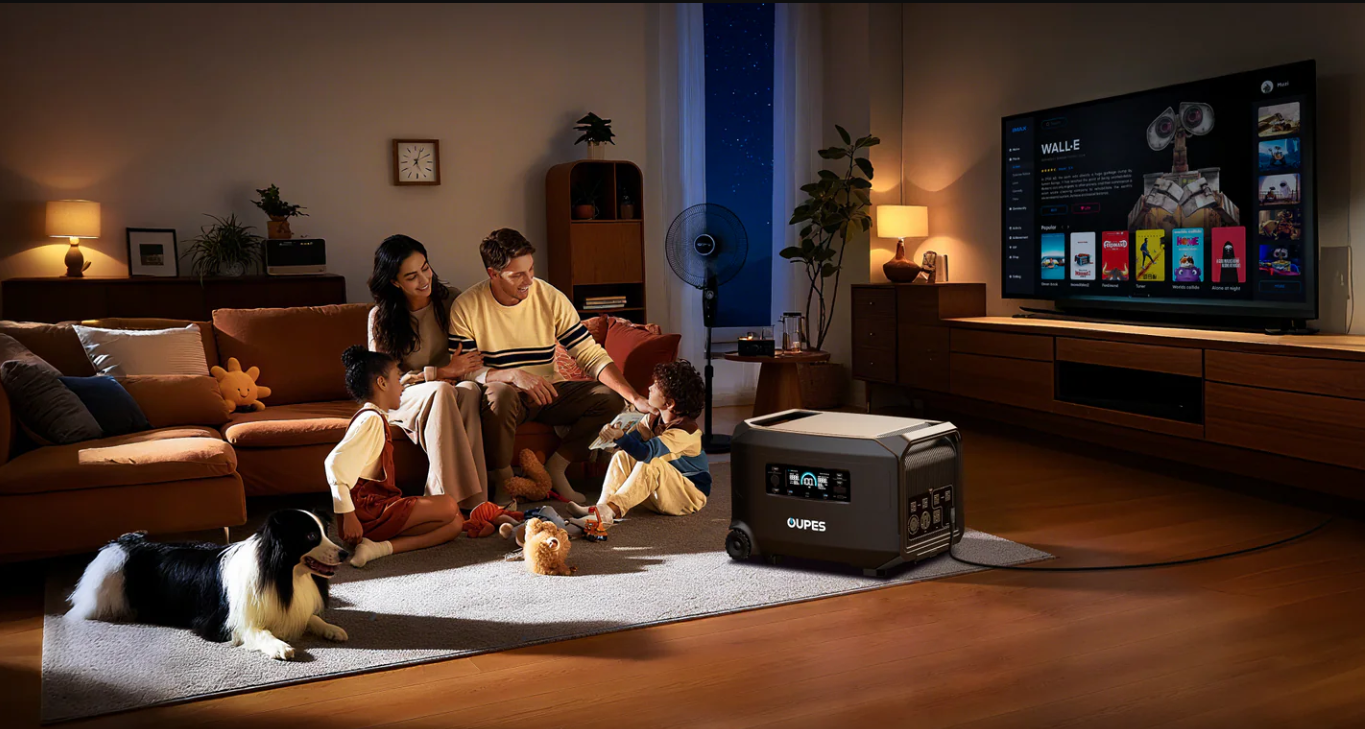
- Indoor-safe operation with no fumes or fuel cost.
- Compatible with solar charging for sustainable power.
Comparison: Single-Voltage vs Dual-Voltage
| Feature | Single-Voltage | Dual-Voltage |
|---|---|---|
| Device Compatibility | Limited | Wide |
| High-Power Tool Support | No | Yes |
| Ideal for RV & Off-Grid | Moderate | Excellent |
| Best For | Daily small electronics | Homes, RVs, field work |
Dual-voltage clearly offers greater value when power needs vary across environments.
How to Choose the Right Dual-Voltage Power Station
- Estimate total watt usage of your devices.
- Choose higher output if powering heaters or tools.
- Select models with expandable battery capacity.
- Ensure solar-charging support for long-term use.
- Look for LiFePO4 chemistry for longest lifespan.
FAQ: Dual-Voltage Portable Power Stations
- What does dual voltage mean?
It means the station outputs two voltage levels for broader device compatibility. - Can it run high-power appliances?
Yes, depending on watt capacity — ideal for power tools and heating devices. - Is dual-voltage good for RV use?
Absolutely — DC for efficiency and AC for heavy appliances. - Do I need special cables?
Most devices plug directly in; no transformer is needed. - What battery type is recommended?
LiFePO4 for longest cycle life and winter reliability. - Can I charge it with solar panels?
Yes — solar input makes off-grid use sustainable. - Is it safe to use indoors?
Yes — unlike fuel generators, no fumes or combustion risk.