




Introduction: When a storm rolls in and the lights suddenly go out, many people ask the same question: why does bad weather make the power go out? It may seem like rain, wind, snow, or heat should not be able to stop electricity so easily, but the truth is that the power grid depends on a large network of lines, transformers, poles, substations, and protective equipment. Bad weather does not simply “turn off” electricity. Instead, it damages, overloads, or disrupts the infrastructure that delivers electricity to homes and businesses. In this article, we will explain how different types of bad weather cause outages, why some outages last longer than others, what homeowners can do to prepare, and how OUPES portable power stations can help support everyday essentials during storm-related blackouts.
Why the Power Grid Is Vulnerable to Weather
Electricity reaches your home through a chain of systems. Power is generated, sent across transmission lines, stepped down at substations, and then delivered through local distribution lines to homes and buildings. That process works well under normal conditions, but it also means there are many points where weather can interrupt the flow.
Unlike something contained entirely indoors, much of the grid is exposed to the outside environment. Power lines stretch across roads, neighborhoods, forests, and open land. Poles stand in areas where strong wind, falling branches, flooding, and ice can damage them. Utility equipment must operate in heat, cold, rain, snow, and storms. As a result, bad weather becomes one of the biggest causes of outages because it affects the physical path electricity uses to travel.
That is why an outage during a storm is usually not random. It is the result of weather putting stress on exposed equipment or forcing the utility to shut power off for safety.
How Wind Causes Power Outages
Strong wind is one of the most common reasons power goes out during bad weather. Wind can directly damage power lines, but in many cases, the bigger problem is what the wind pushes into those lines. Trees, large branches, and debris can fall onto overhead wires and cause short circuits, line damage, or broken poles.
Even when a line does not snap completely, contact with branches or storm debris can be enough to trigger protective devices that shut the circuit down. Utilities do this intentionally because allowing damaged lines to continue operating can create fire, electrocution, and equipment risks.
High wind events are especially disruptive in neighborhoods with mature trees. A home may not suffer structural damage, yet still lose power because a tree two streets away took down part of the local distribution network. This is one reason wind-related outages can feel unpredictable from the customer’s point of view.
How Heavy Rain and Flooding Cause Outages
Rain itself does not always cause the outage, but the conditions around heavy rain often do. Persistent storms can weaken tree roots, soften soil around utility poles, and increase the chances of branches or entire trees falling into power lines. In stronger weather systems, rain is often accompanied by wind and lightning, which multiplies the risk.
Flooding creates a different problem. Electrical systems and water do not mix safely. If substations, underground systems, pad-mounted equipment, or other electrical infrastructure are exposed to floodwater, utilities may shut off service to protect the public and prevent additional damage. In these situations, power may remain out even after the rain stops because the area must be inspected and made safe before restoration can happen.
This is why heavy rain events sometimes lead to longer outages than people expect. The storm may move on quickly, but water-related damage and safety concerns can delay repairs.
How Lightning Affects the Grid
Lightning is another major reason bad weather causes outages. A direct strike can damage transformers, substations, circuit breakers, and other critical equipment. Even when lightning does not hit your exact neighborhood, it can still trigger surges or automatic protective shutdowns elsewhere on the system.
Lightning-related outages often happen suddenly. Sometimes the lights go out immediately after a nearby strike. Other times the electrical system isolates the issue automatically, which may restore some customers quickly while leaving others without power until repairs are completed. From the customer’s perspective, this can make the outage feel random, but it is often the result of the grid reacting to protect itself.
Because lightning can affect both utility infrastructure and home electronics, storm preparedness should always include surge protection and backup charging plans in addition to general outage readiness.
Why Snow and Ice Cause So Many Outages
Winter weather creates a different kind of stress on the grid. Ice buildup adds significant weight to power lines, tree limbs, and utility equipment. When enough ice accumulates, branches break, lines sag, and poles can become vulnerable. Wet snow can have a similar effect, especially when strong wind is added to the system.
This is why ice storms are often worse for the grid than ordinary snowfall. A beautiful layer of ice on trees may look harmless at first, but the extra weight can quickly turn branches into one of the biggest threats to nearby power lines. In rural and suburban areas with more exposed vegetation, ice-related outages can spread across a large area at once.
Snow and ice also slow restoration. Crews may need to wait for roads to be cleared, weather to improve, or dangerous conditions to ease before repair work can safely begin. That is why winter outages often last longer than people expect.
Why Heat Can Also Lead to Power Outages
Many people associate outages only with storms, but extreme heat can also knock out power. During heat waves, demand on the electrical system rises sharply as more homes and businesses run air conditioning for longer hours. That higher load can stress transformers, local circuits, and broader grid systems.
Heat can also affect equipment performance. Electrical infrastructure works best within certain operating conditions, and extreme temperatures can reduce efficiency or increase failure risk. In some situations, utilities may need to manage the grid carefully to prevent wider failures. So even though heat does not snap power lines like wind or ice, it can still play a major role in causing outages.
This is one reason backup power planning matters year-round, not only during thunderstorm or hurricane season.
Why the Power Sometimes Goes Out Before Equipment Fully Breaks
Not every weather-related outage means something has completely snapped or exploded. Utilities use protective systems designed to shut off power when unsafe conditions are detected. If a tree branch touches a line, if lightning causes a fault, or if the system senses a dangerous irregularity, protective devices may automatically disconnect that section of the grid.
From the customer’s perspective, the result is the same: the lights go out. But from the utility’s perspective, that shutdown may have prevented worse damage, fire, or injury. In some high-risk situations, utilities may even shut off power proactively in exposed areas to reduce danger. While frustrating, these actions are often part of keeping the system and the public safer during severe conditions.
Why Some Outages Last So Much Longer Than Others
One of the hardest parts of bad-weather outages is that the duration can vary widely. Some outages last only a few minutes. Others continue for hours, overnight, or even multiple days. The reason depends on what was damaged, how widespread the event is, and whether crews can safely reach the problem.
If the outage comes from a brief fault or a temporary protective shutdown, service may return quickly. But if the event involves fallen trees, broken poles, transformer damage, flooded equipment, or widespread line damage, restoration will take much longer. Utilities also prioritize repairs in a certain order, usually restoring major sections of the grid first before moving to smaller neighborhood issues.
That is why the weather clearing outside does not always mean your power will immediately come back. The storm may be over, but the system still needs to be inspected, repaired, and tested before service can safely return.
How to Prepare Before Bad Weather Causes an Outage
The most effective outage preparation starts before the weather arrives. Households should think through the essentials they rely on every day: phones, lights, internet access, refrigeration, medical equipment, and communication devices. Even a relatively short outage feels much less stressful when these priorities are planned for in advance.
A practical preparation list includes:
- Charging phones, tablets, and battery packs before the storm
- Keeping flashlights and lanterns in easy-to-find places
- Storing water, shelf-stable food, and medications
- Knowing how to receive alerts if internet service drops
- Planning for children, pets, and older adults
- Having a backup power plan for essential household devices
The more severe the weather risk in your area, the more important it becomes to think beyond the first hour of an outage. A strong preparedness plan assumes that the outage may last longer than expected.
Why Portable Power Matters During Weather-Related Outages
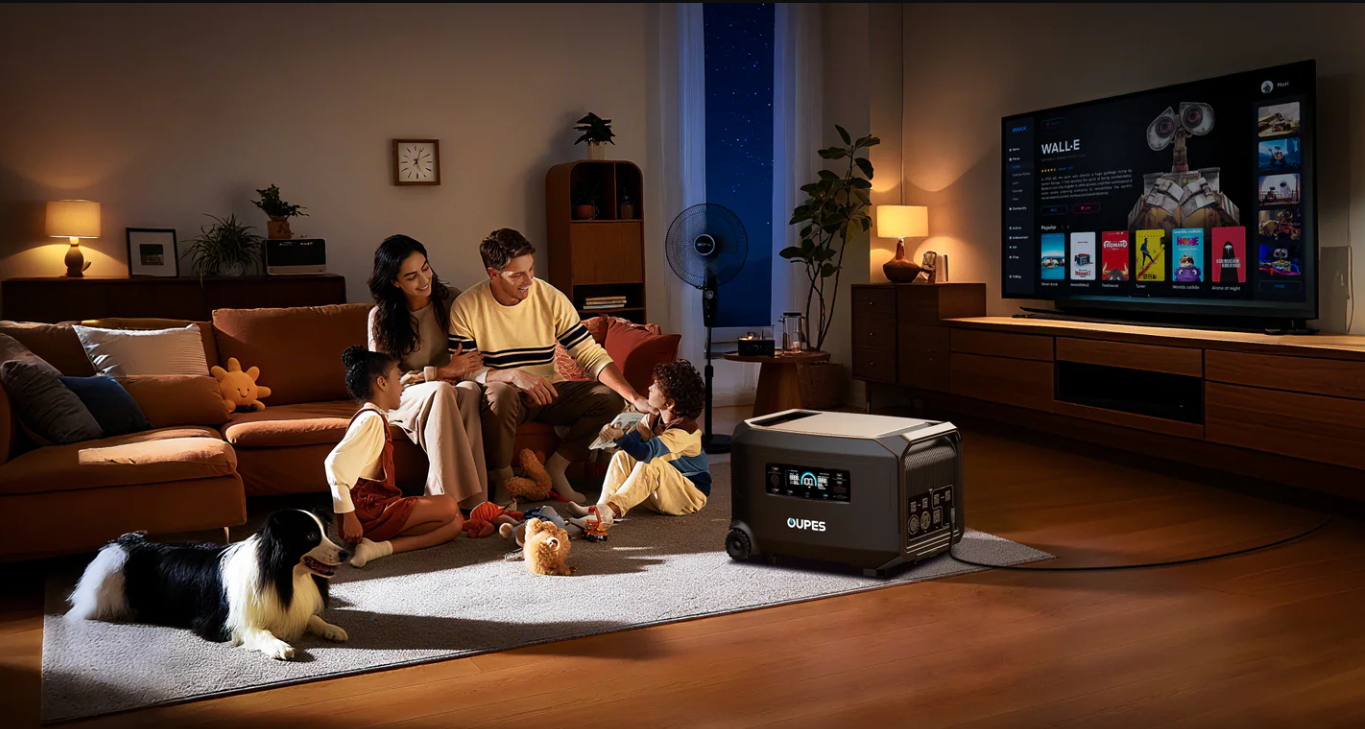
Portable power stations have become a practical part of home outage preparation because they help bridge the gap between a fully functioning home and a grid that is temporarily unavailable. During a weather-related outage, stored battery power can help keep communication devices charged, run lights, support small appliances, and maintain some level of routine while utility crews work on restoration.
This is especially important during storms, because outages often happen at the same time people most need reliable access to information. A charged phone, an internet device, or a weather radio can be critical when conditions are still changing. Portable power does not replace the importance of shelter or safety, but it can make the aftermath more manageable and less stressful.
OUPES Mega 1: A Practical Option for Basic Outage Support
For lighter outage needs, the OUPES Mega 1 is a practical starting point. It offers 1024Wh capacity and 2000W output, which makes it well suited for keeping phones, lights, radios, and small household essentials powered when the grid goes down.
This kind of unit works especially well for households that want a more capable solution than simple power banks, but do not necessarily need a much larger emergency system. It can help make shorter outages easier to manage and gives families a more organized backup option during storm season.
OUPES Mega 2 and Mega 3: More Capacity for Longer Outages
For users who want more energy storage and more flexibility, the OUPES Mega 2 and the OUPES Mega 3 become especially relevant. The Mega 2 offers 2048Wh capacity and 2500W output, while the Mega 3 steps up to 3072Wh capacity and 3600W output.
That added capacity matters during longer outages or in households that want to support more devices at the same time. If your family needs a larger energy reserve for communication devices, lighting, and a wider range of home essentials, these models provide a stronger balance between backup flexibility and practical use.
OUPES Mega 5 and Guardian 6000: For More Demanding Backup Needs
For households planning around more serious outage scenarios, the OUPES Mega 5 and the OUPES Guardian 6000 offer much larger capacity. The Mega 5 provides 5040Wh capacity and 4000W output, while the Guardian 6000 offers 6144Wh capacity and 6000W output.
These larger systems are more suitable for users who want higher-capacity backup for extended outages, broader appliance support, or a stronger home resilience setup during severe weather seasons. In areas where storms regularly cause longer disruptions, a larger portable power station can make a significant difference in comfort, communication, and preparedness.
How to Choose the Right OUPES Model for Weather Outages
The best choice depends on your household’s actual outage needs. If your main concern is keeping phones, lights, and small electronics powered, the Mega 1 may be enough. If you want more flexibility for longer interruptions, the Mega 2 or Mega 3 may be a better fit. If your area is more prone to severe storms, extended blackouts, or higher backup expectations, the Mega 5 or Guardian 6000 may make more sense.
The key is to think in terms of essential loads, not just product size. Ask yourself what devices matter most during an outage, how long you want to support them, and how often bad weather disrupts service where you live. A good backup power choice is one that matches your real risk profile and daily needs.
Final Thoughts
So, why does bad weather make the power go out? Because weather damages, overloads, or disrupts the systems that carry electricity to your home. Wind knocks trees into lines. Lightning damages equipment. Flooding creates electrical hazards. Ice and snow weigh down wires and branches. Heat stresses the grid through both high demand and equipment strain. In many cases, utilities also shut power off intentionally to prevent larger dangers.
Understanding this makes it easier to prepare. Weather-related outages are not just random inconveniences. They are the result of real physical stress on a complex electrical system. The better your home is prepared with lighting, communication tools, and a reliable backup power plan, the easier it becomes to manage both the storm and the outage that may follow. For many households, that is exactly where OUPES portable power stations can play a valuable role.
FAQ
1. What type of bad weather causes the most power outages?
Strong wind, severe storms, winter weather, flooding, and extreme heat are all common causes, but the most disruptive type often depends on local climate and grid exposure.
2. Why does wind knock out power so often?
Because wind can blow branches, trees, and debris into overhead power lines, damaging them or triggering protective shutdowns.
3. Can heavy rain alone cause the power to go out?
Yes, especially when it leads to flooding, weakened trees, unstable soil, or damage to electrical equipment and substations.
4. Why do ice storms cause so many outages?
Ice adds weight to power lines and tree branches, which can cause wires to sag, branches to fall, and poles or equipment to fail.
5. Does heat really cause power outages too?
Yes. Extreme heat increases electricity demand and can put extra stress on transformers, circuits, and other grid equipment.
6. Why can the power stay out after the weather improves?
Because crews still need time to inspect damage, clear hazards, repair equipment, and restore service safely in the correct order.
7. Which OUPES product is good for basic storm outage backup?
The OUPES Mega 1 is a practical option for lighter outage support, such as powering phones, lights, and smaller household essentials.
8. Which OUPES models are better for longer or more demanding outages?
The OUPES Mega 2, Mega 3, Mega 5, and Guardian 6000 are better suited for users who want more capacity and broader backup support during extended outages.