










TL;DR
Power is normally affected by storms that may take hours or days before it is restored. A portable solar generator can be used to deliver safe, silent, and clean backup power. It has the ability to power essentials, recharge devices and even claim tax rebates.
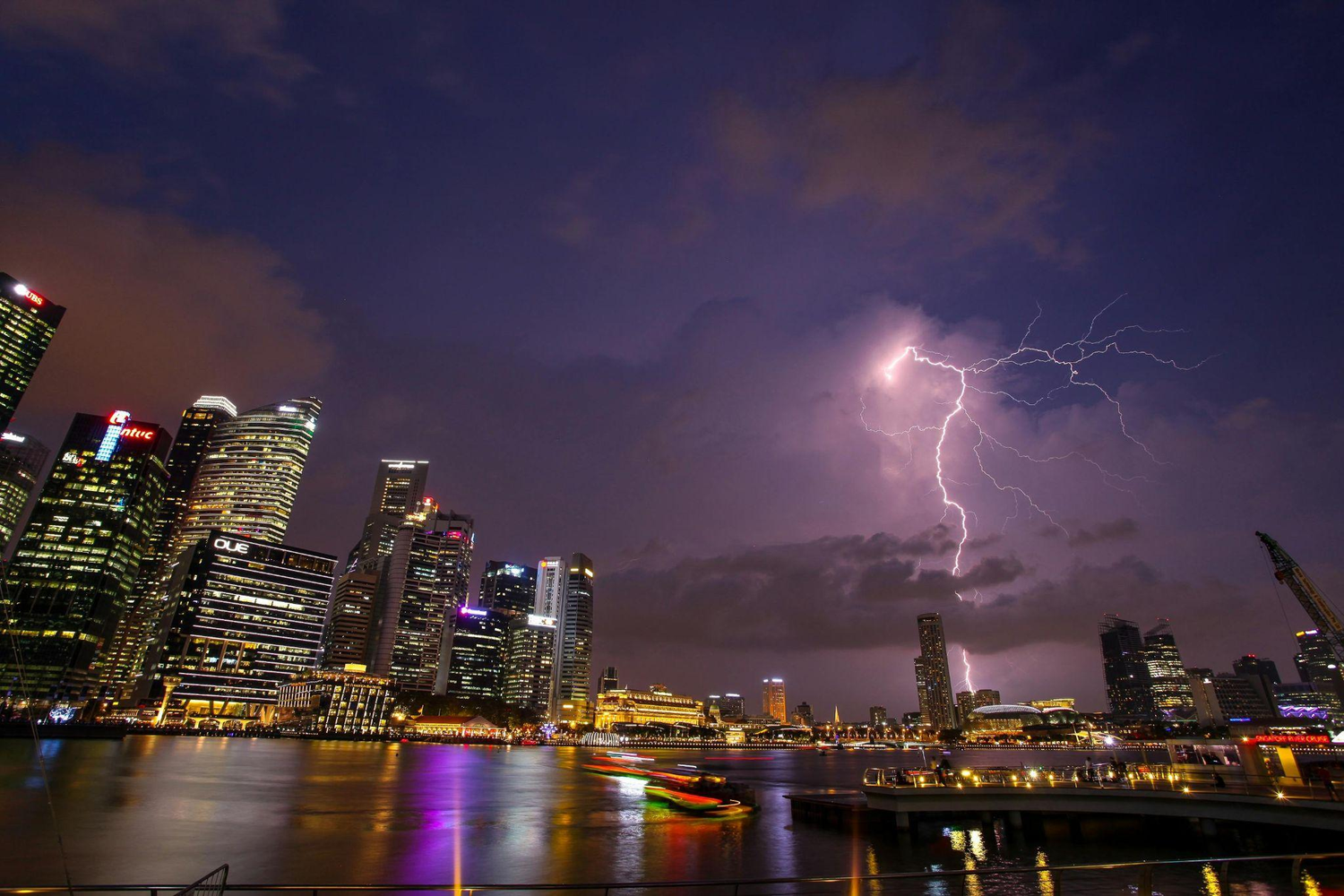
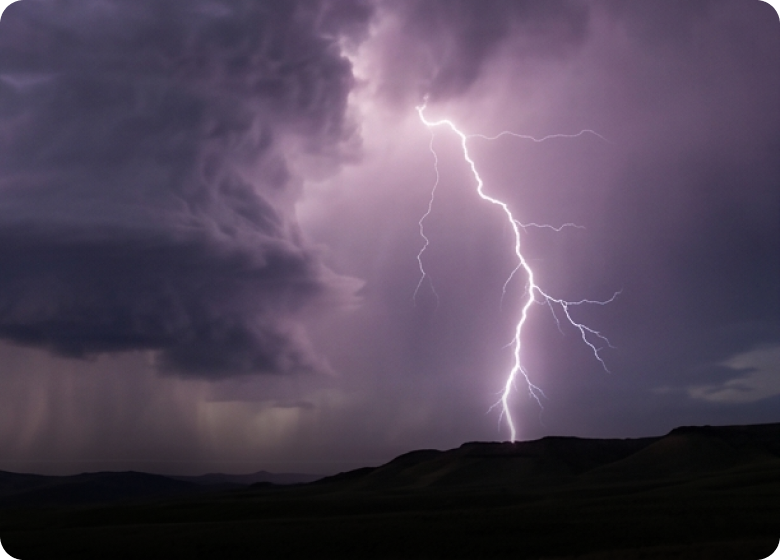
Storm season, which is likely in summer, comes with numerous problems, along with those dreaded power outages. Due to hurricanes, tropical storms and high-velocity winds, the power lines are usually broken, leaving whole cities in the dark. Families spend hours, days, or even weeks without electricity. For many families, it means spoiled food, no air conditioning, and limited ways to stay connected.
This is why today, an increasing number of people are turning to alternative sources of energy. Portable solar generators are among the most popular backup energy sources when compared to traditional fuel generators.
But, should you buy it for this storm season? Let’s find out
How storms and hurricanes disrupt grid power

In the United States, power outages are mostly caused by extreme weather. It has been reported that weather conditions like hurricanes, tornadoes and winter storms were responsible for major blackouts which occurred between 2000 and 2023 (approximately 80%).
These blackouts are also becoming more severe. The National Renewable Energy Laboratory shows that weather-related power outages grew 78% between 2011-2021 compared to the previous decade. Families are already experiencing 7-hour disruptions on average per annum, but this can increase during the hurricane season.
In 2012, Hurricane Sandy impacted 8.5 million people, and more than 21 states lost power. Hurricane Beryl in 2024 caused 2 million households in Texas to lose power, and in some cases, households were waiting over a week before the power was restored.
Popular backup power sources
One thing is obvious: when the storm season comes, you can not rely on the grid. When the electricity goes off in the middle of a storm, the first thought is usually, “How will I keep things running?” Luckily, there are many backup power options to choose from. Each comes with its own pros and cons.
Let’s talk about some of the most popular backup power sources.
1. Gas Generators
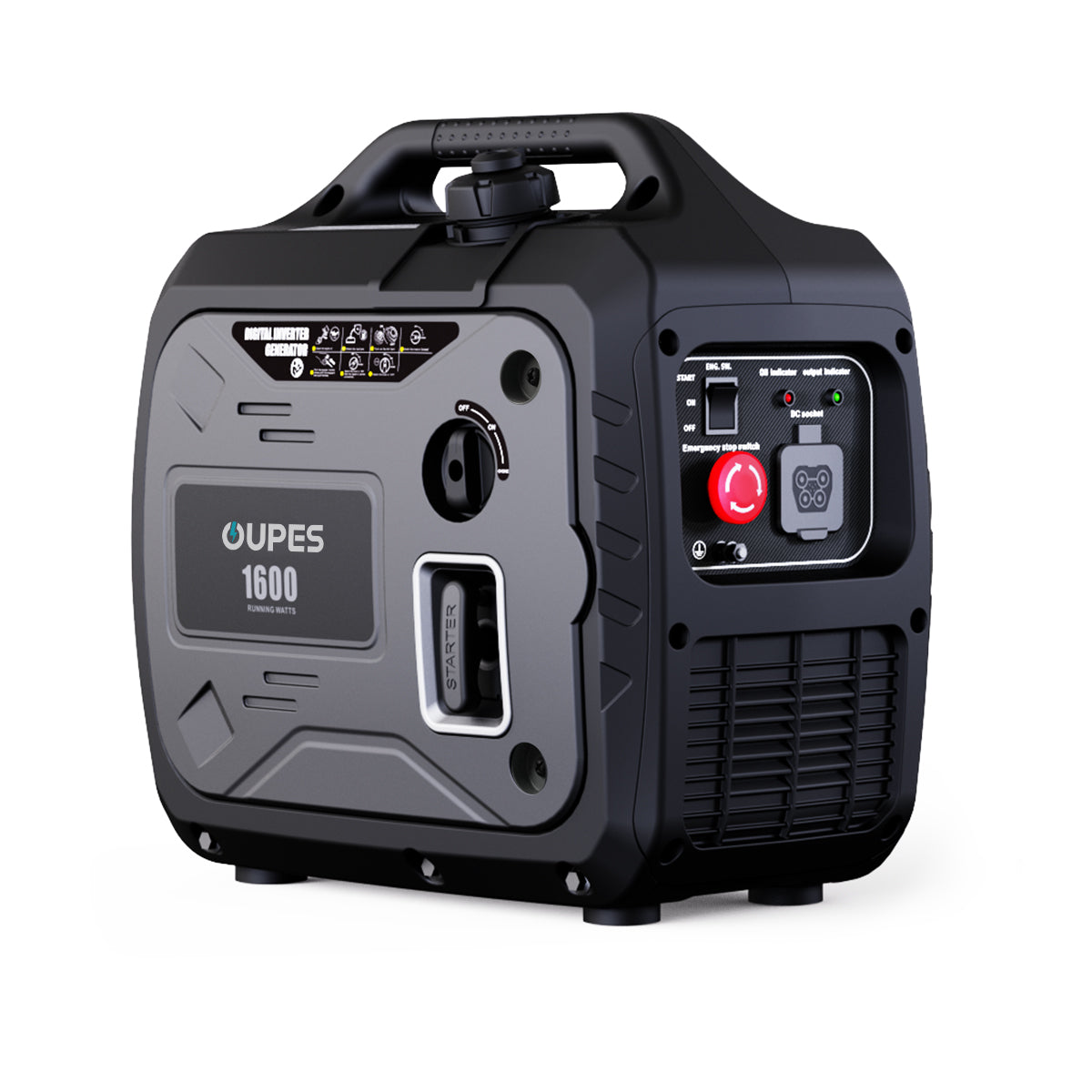
Gas generators are the most popular option of emergency power in case the grid fails.
Pros:
● Provides strong, immediate power
● Large appliances can be run easily
● Cost-effective as compared to other systems
Cons:
● Needs constant fuel supply
● It emits fumes and produces noise
● Unsafe to use indoors
2. Portable Solar Generators
Portable solar generators use sunlight to create energy and then store this energy in batteries, which is an eco-friendlier solution compared to gas generators.
Pros:
● Clean, quiet and safe for indoor use
● No fuel required: it uses sunlight
● Portable and easy to install
● Suitable for small and medium sized appliances
Cons:
● Limited power output for heavy loads
● They are dependent on sunlight to recharge
● More expensive initially than gas models
3. Battery Backup Systems
Battery backup systems act like oversized power banks that can be charged in advance and used during outages.
Pros:
● Acts like a large power bank
● Can be charged from a wall outlet
● Silent and emission-free
● Low maintenance
Cons:
● Limited runtime unless you buy large units
● More expensive for higher capacity
● May not handle big appliances well
4. Home Solar with Battery Storage
This setup combines rooftop solar panels with battery storage, making it a full-scale backup solution.
Pros:
● Long-term renewable energy solution
● Can power your entire home
● Saves money on electricity bills over time
● Reliable during extended outages
Cons:
● High initial investment
● Requires professional installation
● Needs adequate roof space for panels
While all these backup power sources offer a specific set of pros and cons, portable solar generators tick all the boxes when you need a backup during the storm season. They are reliable, don’t entirely rely on the grid and are much pocket-friendly compared to rooftop solar systems.
Why should you choose a portable solar generator?
A portable solar generator is an obvious choice during storm season. Here is why:
Reliable backup power
Unlike gas generators, it does not rely on constant refueling. As long as the sun is out, it can be recharged and keep running.
Higher capacity to power the whole house
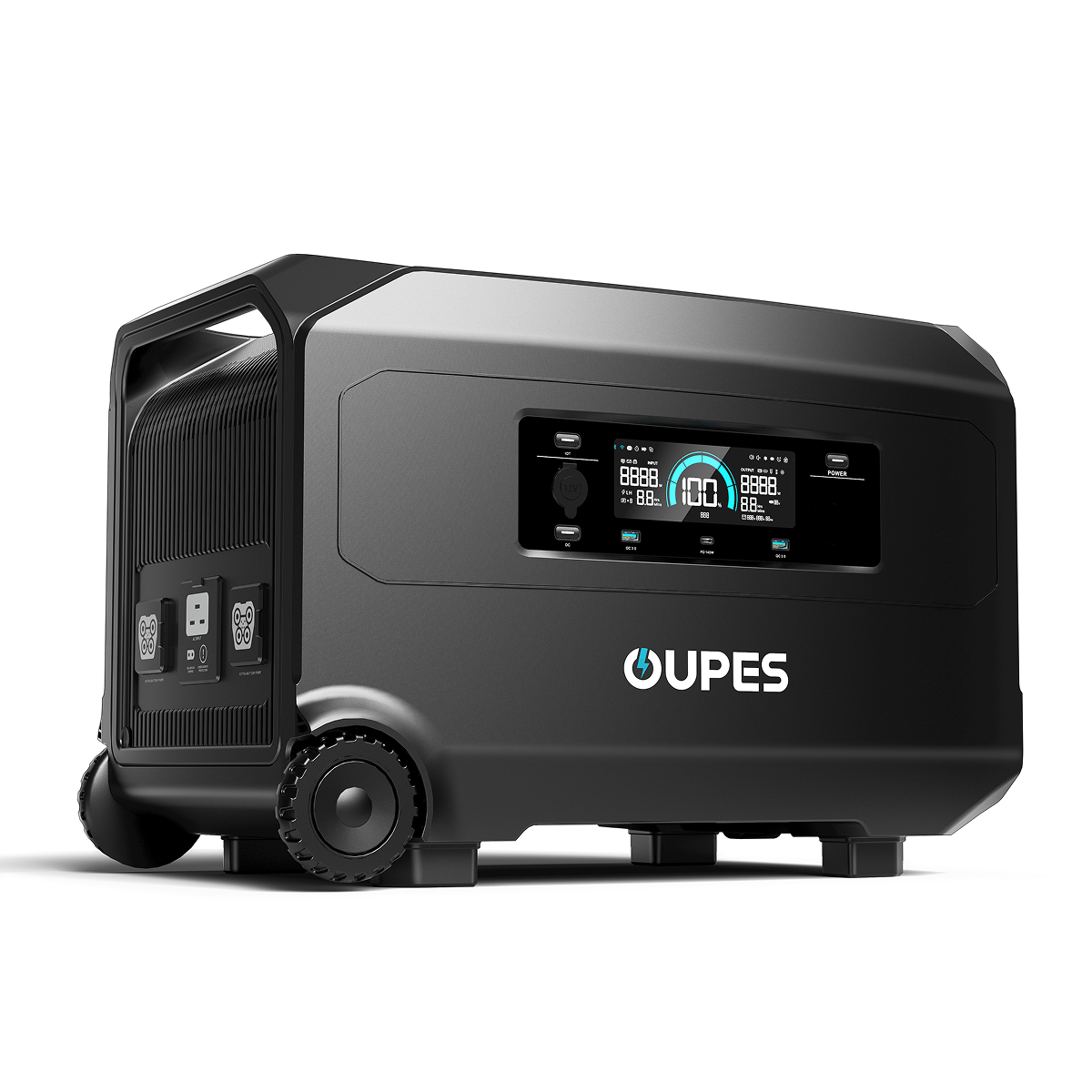
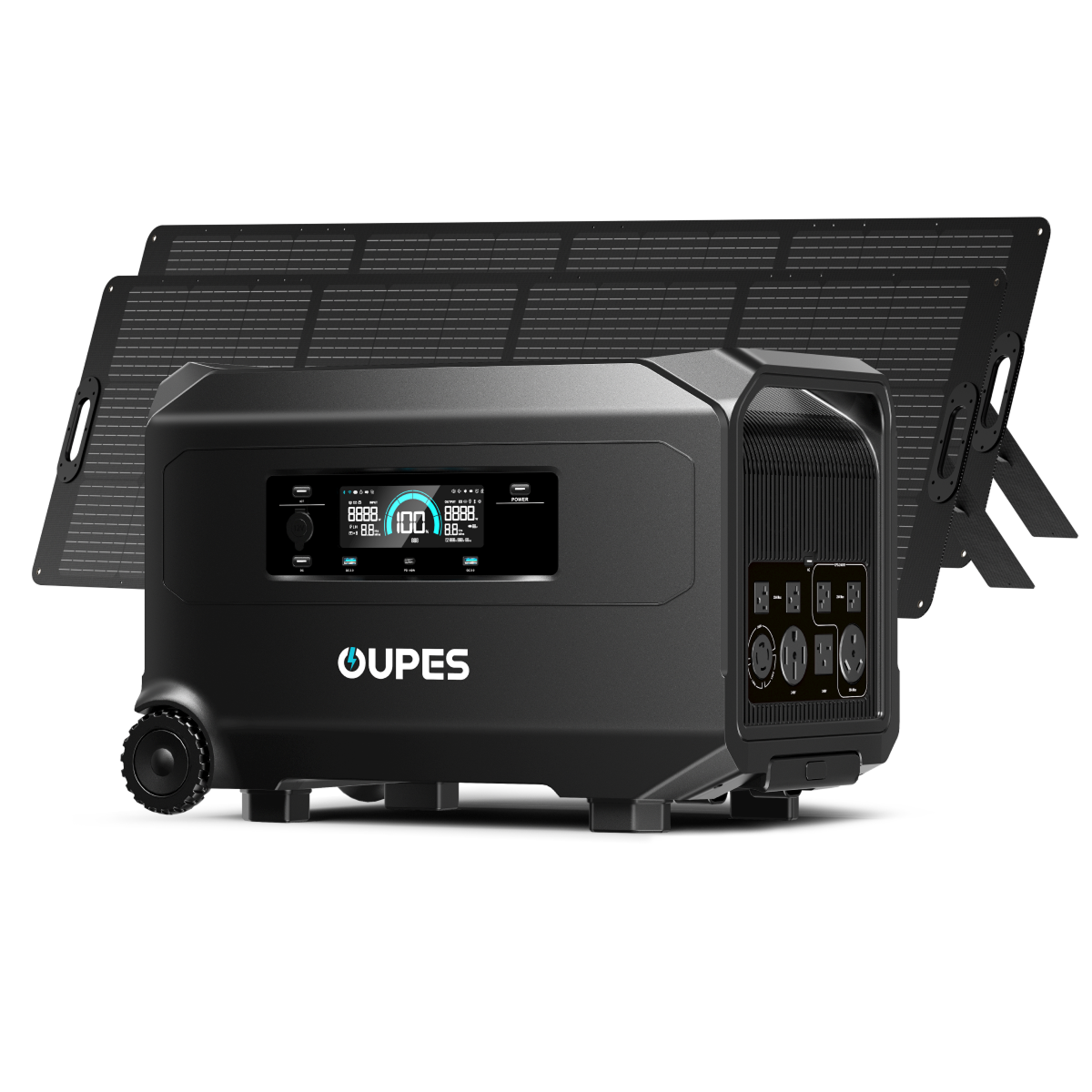
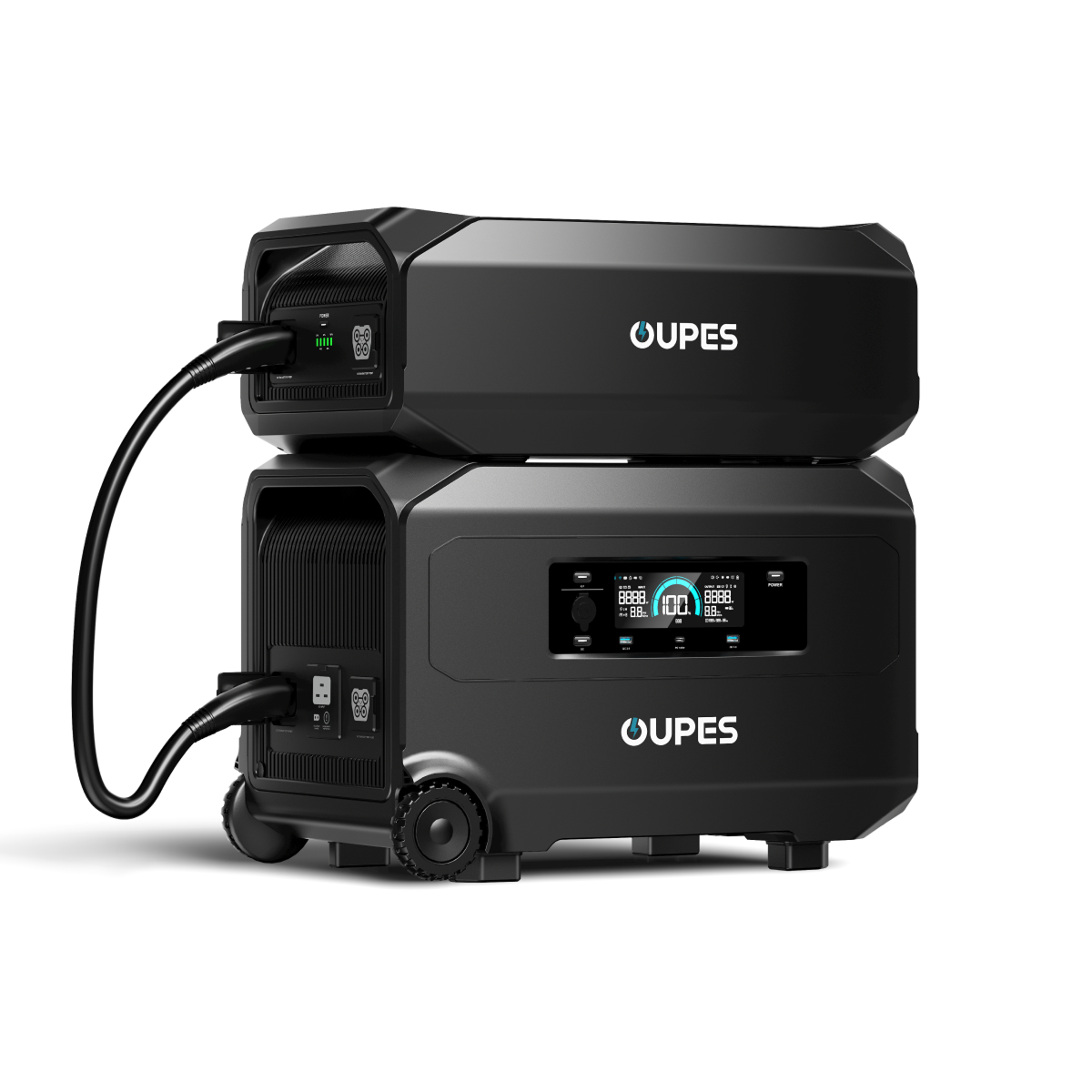
The newer models now come with huge storage facilities. Some are even built as a whole-house solar generator (like the Mega 3 Solar Generator Kit), so you can power fridges, lights, and anything you need simultaneously.
Noise-free operation
When the storm is making all the noise, you want a backup power that is silent. Solar generators are ideal for use in neighborhoods and safe to use at night without disturbing anyone.
Researchable using solar panels
You can also combine a solar generator with panels to keep it going even in the event of multi-day outages. This is a major benefit as compared to fuel-based systems.
Robust structure to handle stormy conditions
Most units are constructed with rugged cases and waterproof components. They can withstand harsh outdoor use.
Can make you eligible for solar credit
Depending on your location, purchasing a solar-powered generator can get you tax incentives. This helps you lower the initial cost even further.
FAQs
Do you need a solar generator during storm or hurricane season?
Yes, it's probably the smartest decision you can make today. Storms normally cause long power blackouts. A solar generator will make sure that your lights, fridge and devices are running efficiently.
Does a 2000-watt solar generator run a fridge?
Typical refrigerators use 100 to 800 watts. A 2000-watt solar generator can comfortably manage this wattage. But if your refrigerator needs higher surge wattage, you need to choose a suitable generator to handle this.
What are the things to consider when buying a portable solar generator?
Look at the battery capacity, size of the inverter and the charging speed. Choose a well-built hurricane-proof unit. You should also check whether it comes with Solar panels or you need to buy them separately.
What’s better? Solar or gas generators?
Gas generators will provide an immediate power supply but they are loud and need constant refueling. Solar generators with panels offer clean and quiet power, while being low-maintenance.
Final Words: Should you buy a solar generator?
Storm season always brings uncertainty. Electricity lines collapse, gas stations shut down and it may take days to have utility repairs. In such situations, a backup power is no longer an option; it is a survival tool.
Although gas and standby generators have been popular options for decades, they come with challenges like fuel expenses, noise and dangerous fumes. A portable solar generator is eco-friendlier, silent, and more dependable compared to these traditional power options.
To preserve your peace of mind during this storm season, a solar generator is the best investment you can make.

Leave a comment
This site is protected by hCaptcha and the hCaptcha Privacy Policy and Terms of Service apply.