




Home Backup Power & Battery Backup Solutions | OUPES

Reliable Power When Your Home Needs It Most
Keep refrigerators, lights, Wi-Fi, medical equipment, and other essential appliances running during unexpected power outages with dependable home backup power solutions.
Why Every Home Needs Battery Backup
Power outages can happen at any time due to severe weather, grid failures, or unexpected emergencies. A home battery backup helps keep essential appliances running, protects refrigerated food, and ensures you stay connected when the power goes out. Unlike traditional gas generators, battery backup systems operate quietly, produce no emissions, and can be safely used indoors without fuel or ongoing maintenance.
Whether you're powering a refrigerator, Wi-Fi router, lights, medical equipment, or working from home, the right battery backup provides dependable power when you need it most. Combined with solar charging, it can also extend backup time during prolonged outages while helping reduce reliance on the grid.

What Can a Home Battery Backup Power?
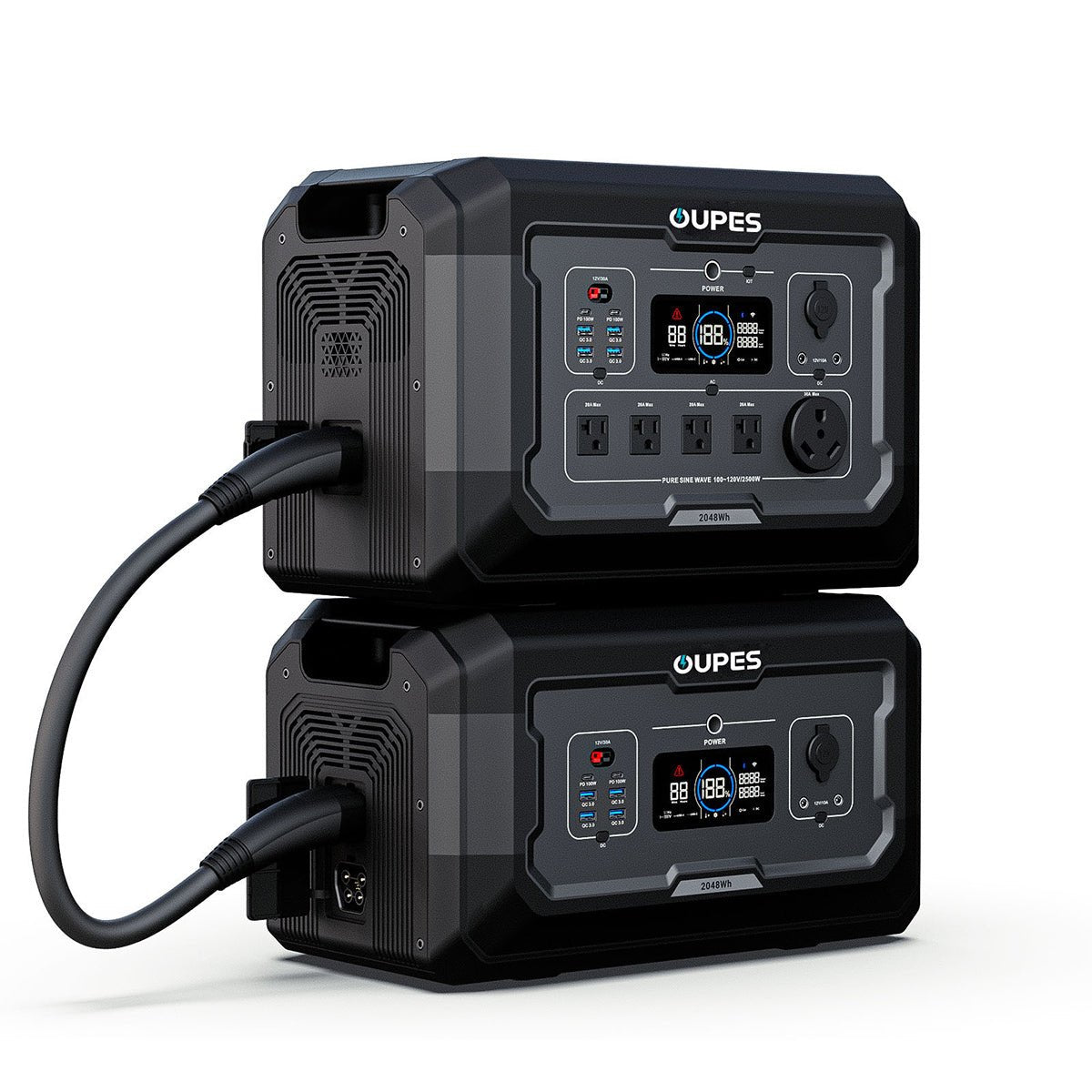
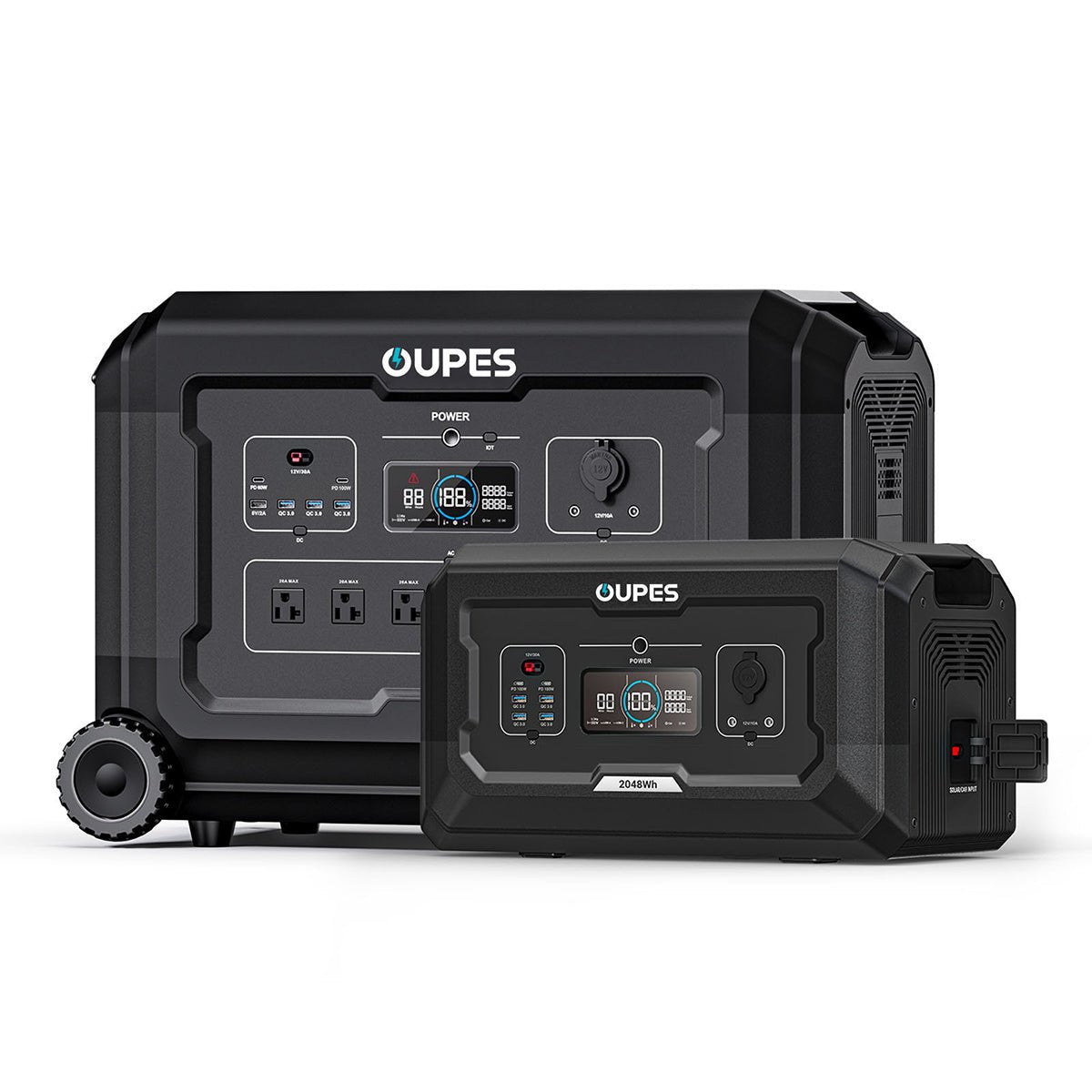
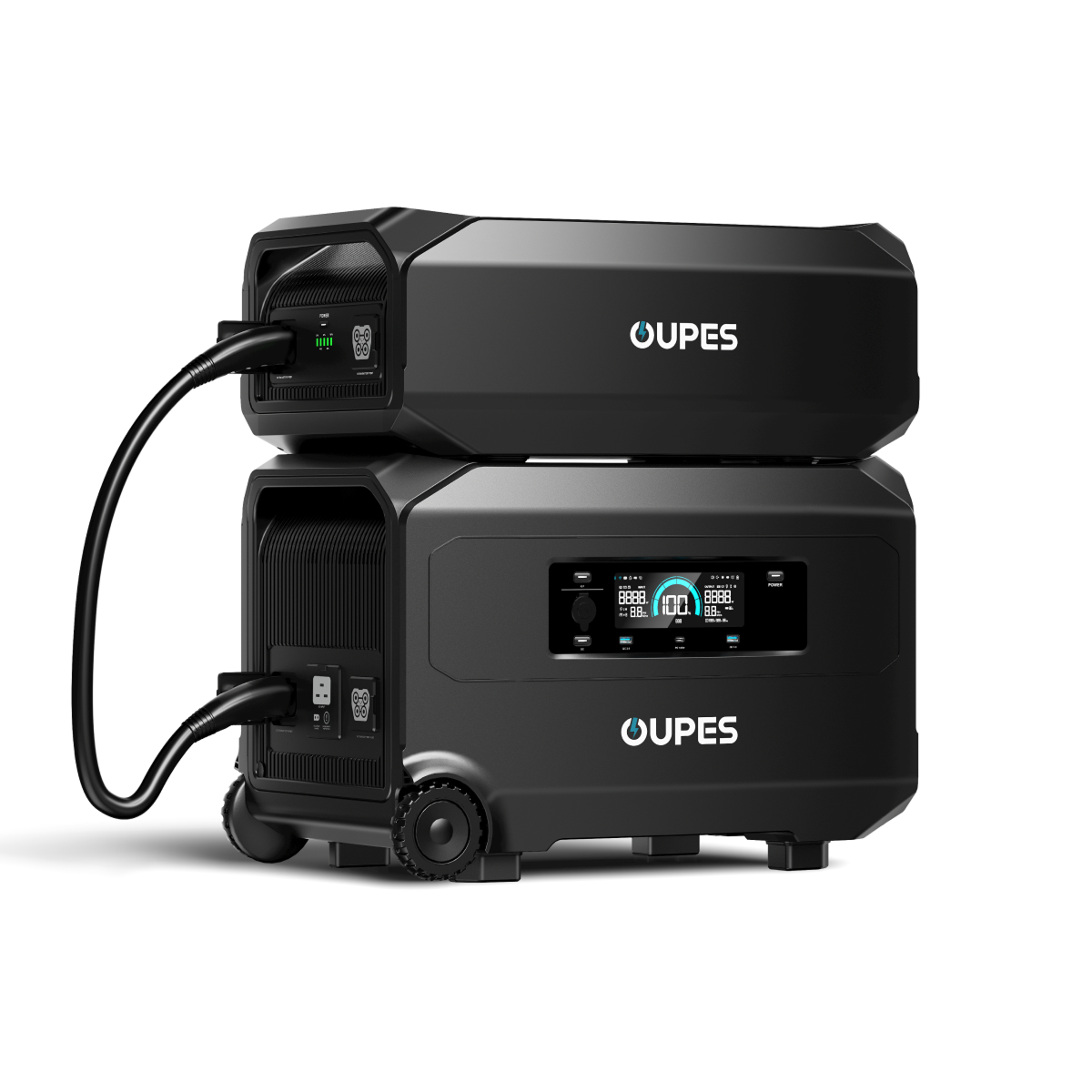
A home battery backup provides reliable electricity for the appliances and devices your family depends on most during unexpected power outages. From preserving food to maintaining communication and supporting essential medical equipment, the right backup system helps minimize disruption while keeping your home safe and comfortable. The number of appliances you can run depends on the battery capacity, output power, and the total electrical load connected at the same time.
| Essential Appliance | Typical Running Wattage | Why It's Important |
|---|---|---|
| Refrigerator | 150–300W | Keeps food fresh and helps prevent spoilage. |
| Chest Freezer | 100–250W | Protects frozen food during extended outages. |
| Wi-Fi Router | 10–20W | Maintains internet access and communication. |
| LED Lights | 10–50W | Provides safe lighting throughout your home. |
| CPAP Machine | 30–60W | Supports uninterrupted overnight medical care. |
| Laptop | 50–100W | Enables remote work and emergency communication. |
| Television | 80–200W | Accesses weather alerts and emergency updates. |
| Microwave | 800–1200W | Heats meals during longer outages. |
Whether you're keeping your refrigerator running, staying connected to the internet, powering medical equipment, or maintaining essential household appliances, a reliable home battery backup helps protect your family during unexpected power outages. Choosing the right battery capacity ensures longer runtime, supports multiple devices simultaneously, and provides greater peace of mind when utility power is unavailable.
For households preparing for longer outages or higher energy demands, selecting a home battery backup with expandable capacity offers greater flexibility and longer-lasting backup power as your needs grow.
Battery Backup vs. Gas Generators
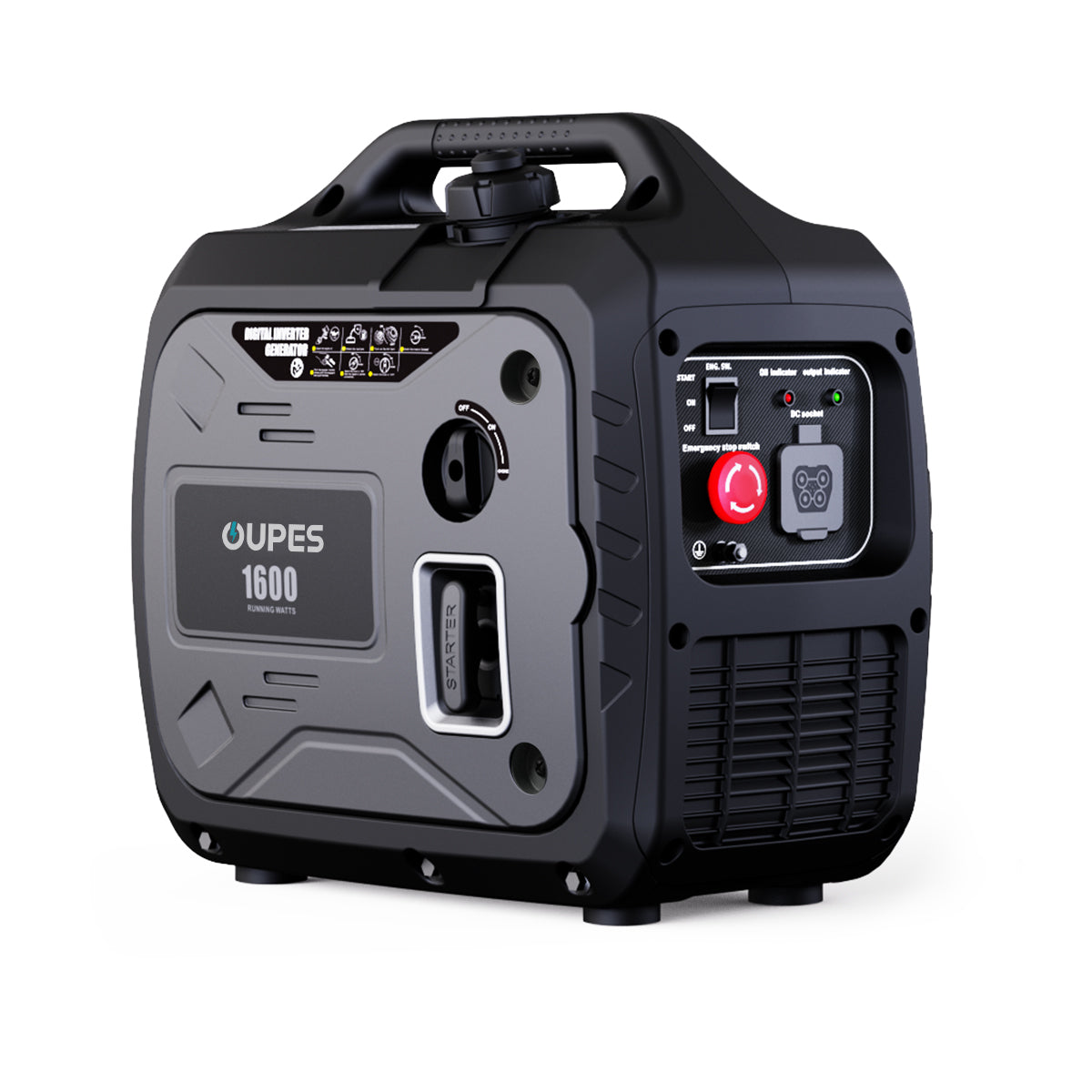
Both battery backup systems and gas generators provide emergency power, but they serve different needs. Home battery backup systems offer clean, quiet, and maintenance-friendly operation, while traditional gas generators rely on fuel and produce exhaust emissions. The comparison below can help you choose the right solution for your home.
| Feature | Home Battery Backup | Gas Generator |
|---|---|---|
| Indoor Safe | ✔ Yes | ✘ No |
| Noise Level | Quiet Operation | Loud Engine Noise |
| Fuel Required | No Fuel Needed | Gasoline / Propane / Diesel |
| Solar Charging | ✔ Supported | ✘ Not Available |
| Maintenance | Minimal | Regular Engine Maintenance |
| Emissions | Zero Emissions | Produces Exhaust Fumes |
| Best For | Indoor backup, everyday use, and power outages | Long-duration backup where fuel is readily available |
For most homeowners, a battery backup system offers a cleaner, quieter, and more convenient way to keep essential appliances running during power outages, especially when paired with solar panels for renewable recharging.
FAQ
What size battery backup do I need for my home?
The right size depends on the appliances you want to power and how long you expect an outage to last. Small systems are suitable for essential electronics, while larger-capacity battery backup systems can support refrigerators, freezers, lighting, and multiple household appliances.
Can a home battery backup power a refrigerator?
Yes. Most home battery backup systems with sufficient output and battery capacity can keep a refrigerator running during a power outage, helping preserve food and reduce spoilage.
How long will a home battery backup last during an outage?
Backup time depends on the battery capacity and the total power consumption of connected appliances. Running fewer devices or choosing an expandable battery system can significantly extend runtime.
Can a battery backup power multiple appliances at once?
Yes. As long as the combined running wattage stays within the system's continuous output rating, multiple appliances such as refrigerators, Wi-Fi routers, televisions, lights, and laptops can operate simultaneously.
Is a battery backup better than a gas generator?
For many homeowners, battery backup systems provide a quieter, cleaner, and lower-maintenance alternative to gas generators. They produce no emissions, require no fuel storage, and can safely operate indoors.
Can solar panels recharge a home battery backup?
Yes. Compatible solar panels can recharge many home battery backup systems, helping extend available runtime during prolonged power outages while reducing dependence on the electrical grid.
Can a battery backup power an entire home?
High-capacity systems with expandable battery storage can support many household circuits and essential appliances. The actual capability depends on your home's electrical load and the size of the backup system.
What's the difference between a battery backup and a UPS?
A UPS is designed to provide short-term power for electronics during brief interruptions, while a home battery backup stores much more energy and can power household appliances for hours or even days, depending on capacity and usage.