




Watching the Winter Olympics from home is one of the most immersive ways to experience the competition. From early-morning events to late-night finals, fans often keep their screens on for hours at a time. Combined with winter weather, heating needs, and multiple devices running simultaneously, this can place unexpected pressure on household power systems.
This guide walks through how to watch the Winter Olympics comfortably and reliably from home, how to plan your power usage, and how backup solutions like OUPES Guardian 6000 and the OUPES MEGA series can help ensure uninterrupted viewing.
Quick Navigation
- Understanding the Winter Olympics broadcast schedule
- Setting up your home viewing environment
- Power demand during Winter Olympics viewing
- Why backup power matters in winter
- OUPES power solutions for home viewing
- Managing power efficiently during events
- FAQ
1. Understanding the Winter Olympics Broadcast Schedule
Unlike single-event sports, the Winter Olympics run continuously across multiple days and time zones. Many popular events such as figure skating, alpine skiing, ice hockey, and speed skating may air early in the morning or late at night, depending on the host country.
This means home viewing often involves:
- Extended screen time over multiple days
- Televisions and streaming devices running for long periods
- Multiple household members watching different events simultaneously
Planning for long viewing sessions is just as important as choosing the right streaming service.
2. Setting Up Your Home Viewing Environment
A comfortable and reliable viewing setup improves the overall Olympic experience. Key elements include both comfort and functionality.
Essential viewing equipment
- Large-screen TV or projector for main events
- Sound system or soundbar for immersive audio
- Streaming device or cable box
- Stable internet router and modem
Comfort considerations
- Indoor lighting that reduces glare on the screen
- Seating arrangements for long sessions
- Heating support during cold weather
- Charging access for phones and tablets
All of these rely on steady electricity, which becomes more critical during winter conditions.
3. Power Demand During Winter Olympics Viewing
Watching the Winter Olympics may appear low-impact from a power perspective, but the cumulative load can be significant.
Typical power usage during a viewing session includes:
- TV or projector: 150–400W (continuous)
- Sound system: 100–300W (continuous)
- Router and streaming devices: 30–80W
- Lighting: 20–100W
- Phone, tablet, and laptop charging: 50–150W combined
During winter, this often overlaps with heating systems and other household loads, increasing overall demand and the risk of outages or circuit overloads.
4. Why Backup Power Matters During Winter Events
Winter weather can make power supply less predictable. Snowstorms, ice accumulation, and extreme cold can all affect grid reliability.
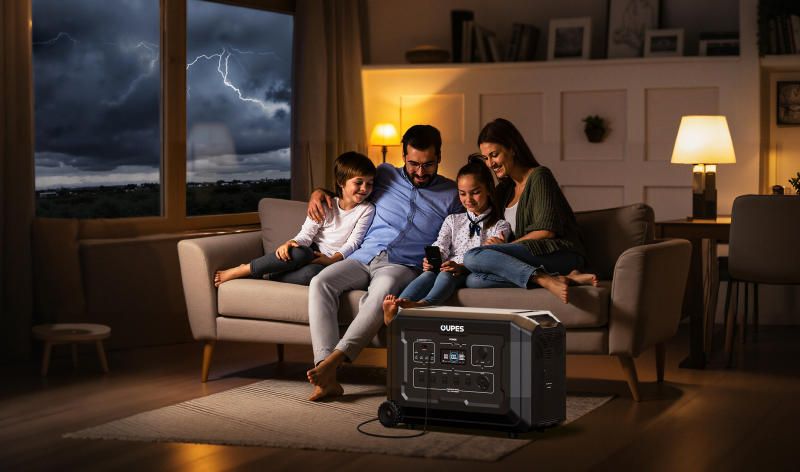
A brief outage during a regular evening may be manageable, but during a major Olympic final, losing power can mean missing a once-in-four-years moment.
Backup power ensures:
- Continuous viewing during outages
- Stable internet and communication
- Lighting and basic comfort in cold conditions
- Reduced stress during long events
5. OUPES Power Solutions for Watching From Home
Battery-based power stations are particularly suitable for winter viewing because they can operate indoors, run quietly, and provide instant backup power. OUPES offers different options depending on household needs.
OUPES Guardian 6000 for full home viewing setups
For households running large TVs, audio systems, and multiple devices at once, OUPES Guardian 6000 provides a robust backup solution.
- Base capacity: 4,608Wh
- Expandable capacity: up to 41.4kWh
- Output power: 6,000W (7,200W Boost)
- Supports: 120V and 240V appliances
This setup can comfortably support extended Olympic viewing sessions, while also covering essential household needs like refrigeration and lighting if the grid goes down.
OUPES MEGA series for essential viewing power
If your focus is keeping key devices running rather than powering the entire home, the OUPES MEGA series offers flexible options.
- MEGA 1: 1024Wh, 2000W output
- MEGA 2: 2048Wh, 2500W output
- MEGA 3: 3072Wh, 3600W output
- MEGA 5: 5040Wh, 4000W output
These models are ideal for powering a TV, router, lighting, and charging devices during winter events, with optional expansion batteries for longer sessions.
6. Managing Power Efficiently During the Games
Efficient energy use can significantly extend runtime during long Olympic viewing sessions.
- Lower screen brightness when possible
- Turn off unused devices between events
- Charge phones and tablets in scheduled intervals
- Use LED lighting instead of high-watt bulbs
If solar charging is available during daytime hours, it can help replenish stored energy and preserve battery capacity for evening finals.
FAQ
Q1: Can I rely on a power station to watch the Winter Olympics during an outage?
Yes. Battery-based systems like OUPES Guardian 6000 and the MEGA series are designed to provide stable power for TVs, routers, and other essential devices during outages.
Q2: How much power do I need for a full viewing session?
That depends on your screen size, audio setup, and number of devices. Many households can comfortably watch several hours of events with a mid-to-large capacity power station.
Q3: Is it safe to use backup power indoors during winter?
Battery power stations are safe for indoor use because they produce no exhaust. Always ensure proper ventilation and follow manufacturer guidelines.
Q4: What if the Winter Olympics broadcasts run late into the night?
Plan for extended runtime by prioritizing essential devices and, if needed, using expansion batteries or recharging during the day.
Q5: Should I prepare backup power even if outages are rare?
Yes. Winter events, combined with severe weather, increase grid stress. Backup power ensures you do not miss key moments and maintains household comfort.