




Saving energy is not only about lowering electricity bills. It is also about reducing strain on the power grid, improving home resilience, and ensuring essential devices remain available during peak demand or unexpected outages. With rising energy costs and more frequent extreme weather events, energy efficiency has become a practical necessity for many households.
This guide covers proven energy saving tips that can be applied immediately, explains where most household energy is consumed, and shows how efficient power planning—combined with backup solutions such as OUPES Guardian 6000 and the OUPES MEGA series—can help households stay prepared while using energy more responsibly.
Quick Navigation
- Where household energy is used
- Daily habits that reduce energy use
- Home upgrades that improve efficiency
- Saving energy on heating and cooling
- Using appliances more efficiently
- Energy planning with backup power
- FAQ
1. Where Household Energy Is Used
Understanding where energy is consumed is the first step toward saving it. In most homes, the largest portions of electricity and energy use come from:
- Heating and cooling systems
- Water heating
- Large appliances such as refrigerators and washers
- Electronics and entertainment devices
- Lighting and standby power draw
Small changes across multiple areas often produce more savings than focusing on a single device.
2. Daily Habits That Reduce Energy Use
Many energy savings come from consistent habits rather than major investments.
- Turn off lights and electronics when not in use
- Unplug chargers and devices that draw standby power
- Use power strips to shut down multiple devices at once
- Lower screen brightness on TVs and monitors
- Run dishwashers and laundry machines with full loads
These small adjustments reduce unnecessary energy consumption without affecting comfort.
3. Home Upgrades That Improve Efficiency
Strategic upgrades can deliver long-term energy savings.
- Replace incandescent bulbs with LED lighting
- Seal gaps around windows and doors to reduce heat loss
- Upgrade insulation in attics and walls where possible
- Install programmable or smart thermostats
These improvements reduce heating and cooling demand, which is often the largest source of energy use in a home.
4. Saving Energy on Heating and Cooling
Heating and cooling systems consume more energy than almost any other household equipment. Efficient use can significantly lower overall consumption.
- Set thermostats a few degrees lower in winter and higher in summer
- Use ceiling fans to improve air circulation
- Close curtains at night in winter and during hot afternoons in summer
- Perform regular maintenance on HVAC systems
Even modest temperature adjustments can lead to noticeable energy savings over time.
5. Using Appliances More Efficiently
Appliances operate most efficiently when used intentionally.
- Keep refrigerator and freezer doors closed as much as possible
- Wash clothes in cold water when appropriate
- Air-dry clothes instead of using a dryer when possible
- Use energy-saving modes on electronics and appliances
Over time, efficient appliance use reduces both energy consumption and wear on equipment.
6. Energy Planning With Backup Power
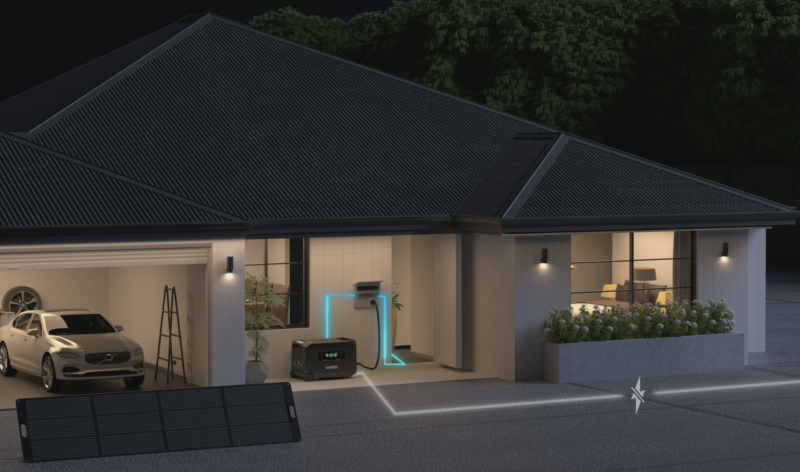
Energy saving is not only about using less electricity, but also about using energy wisely during peak demand or outages. Backup power systems allow households to prioritize essential loads and avoid waste.
OUPES Guardian 6000 for efficient home energy management
OUPES Guardian 6000 supports efficient energy use by allowing households to selectively power critical devices rather than running an entire home during outages.
- Base capacity: 4,608Wh
- Expandable capacity: up to 41.4kWh
- Output: 6,000W (7,200W Boost)
By focusing on essential circuits, Guardian 6000 helps reduce unnecessary energy draw while maintaining comfort and safety.
FAQ
Q1: Do energy saving habits really make a difference?
Yes. Consistent small changes across lighting, appliances, and heating can lead to meaningful reductions in overall energy use and costs.
Q2: What is the fastest way to reduce electricity bills?
Improving heating and cooling efficiency and eliminating standby power are often the quickest ways to see savings.
Q3: How does backup power help with energy savings?
Backup power systems allow you to focus energy use on essential devices, reducing waste during outages and peak demand periods.
Q4: Are battery power stations energy efficient?
Modern battery power stations are designed to minimize energy loss and provide efficient power delivery for essential household devices.
Q5: Should energy saving be a year-round practice?
Yes. Energy efficiency benefits households year-round by lowering costs, reducing grid stress, and improving preparedness for emergencies.