




Many households hear the same advice again and again: “Run appliances at night, electricity is cheaper.” But is that always true? And if it is, why are prices lower—and how can you actually benefit from it?
This article breaks down how electricity pricing works, when night-time power is cheaper, when it isn’t, and how households can strategically reduce energy costs. We’ll also explore how energy storage and solar generators can help you take advantage of off-peak pricing more effectively.
How Electricity Prices Are Set
Electricity prices are not random. They are influenced by a combination of supply, demand, infrastructure costs, and pricing models.
Key Factors That Affect Electricity Prices
- Overall demand on the grid
- Generation costs
- Transmission and distribution expenses
- Regulatory structures
When demand is high, prices tend to rise. When demand drops, prices often fall.
Are Electricity Prices Really Cheaper at Night?
The short answer: sometimes, but not always.
Electricity is cheaper at night primarily in regions that use time-of-use (TOU) pricing. If your utility does not use TOU pricing, your electricity rate may stay the same all day.
When Night-Time Electricity Is Cheaper
- You are on a TOU or variable rate plan
- Demand drops significantly overnight
- The grid has excess generation capacity
What Is Time-of-Use (TOU) Pricing?
Time-of-use pricing means electricity costs vary depending on the time of day.
Why Utilities Use TOU Pricing
- Encourage energy use during low-demand hours
- Reduce strain on the grid
- Delay costly infrastructure upgrades
Under TOU plans, consumers are rewarded for shifting usage away from peak hours.
Typical Off-Peak, Mid-Peak, and Peak Hours
| Period | Typical Time Range | Electricity Cost |
|---|---|---|
| Off-Peak | Late night to early morning | Lowest |
| Mid-Peak | Midday or early evening | Moderate |
| Peak | Late afternoon to evening | Highest |
Exact hours vary by region, season, and utility provider.
Why Electricity Demand Drops at Night
Electricity demand follows human behavior.
What Changes After Dark
- Businesses close
- Industrial machinery powers down
- Office buildings reduce consumption
With fewer high-demand users active, the grid experiences lower overall load.
Who Benefits Most from Cheaper Night-Time Electricity?
Households with Flexible Usage
- Dishwashers
- Laundry machines
- Electric vehicle charging
Homeowners with Energy Storage
Storing cheap electricity at night and using it during peak hours can dramatically reduce bills.
Remote Workers and Home Offices
Strategic energy management helps control long-term operating costs.
Common Myths About Night-Time Electricity
Myth 1: Electricity Is Always Cheaper at Night
This is only true under specific pricing plans.
Myth 2: Night-Time Savings Are Insignificant
Over a year, small differences can add up substantially.
Myth 3: Only Large Homes Benefit
Even apartments can reduce costs with proper planning.
Using Energy Storage to Maximize Savings
Energy storage allows you to decouple when you buy electricity from when you use it.
How the Strategy Works
- Charge batteries during off-peak hours
- Use stored energy during peak pricing
- Reduce reliance on expensive grid power
| Strategy | Cost Impact |
|---|---|
| No storage | Pay real-time prices |
| Night charging + daytime use | Lower average cost |
How Solar and Night-Time Pricing Work Together
Solar energy and off-peak electricity complement each other.
Day and Night Optimization
- Solar powers daytime loads
- Grid electricity charges batteries at night
- Stored energy covers peak hours
This hybrid approach provides flexibility and resilience.
Real Household Scenarios
Scenario 1: Family Home on TOU Pricing
Running appliances at night and using stored energy during peak hours reduces monthly bills.
Scenario 2: Apartment with Limited Control
Night-time charging of a portable power system offsets daytime usage.
Scenario 3: Power Outages
Stored off-peak electricity provides backup power when the grid fails.
How OUPES Systems Help Optimize Electricity Costs
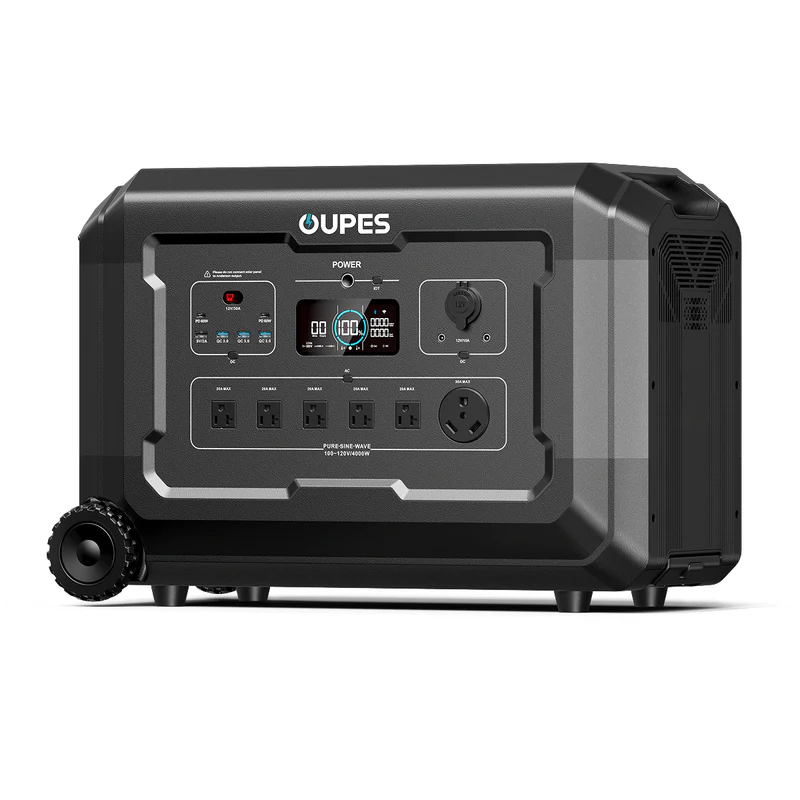
OUPES power systems allow households to store electricity when it’s cheapest and use it when prices are highest.
Cost-Saving Design Features
- High-capacity battery storage
- Fast charging during off-peak hours
- Stable AC output for household loads
| OUPES Model | Battery Capacity | Best Cost-Saving Use |
|---|---|---|
| OUPES Mega 1 | 1024Wh | Night-time charging for essentials |
| OUPES Mega 2 | 2048Wh | Offset peak appliance usage |
| OUPES Mega 3 | 3072Wh | Daily TOU optimization |
| OUPES Mega 5 | 5040Wh | Whole-home energy management |
These systems help households take control of when and how electricity is used.
Frequently Asked Questions
1. Is electricity always cheaper at night?
No, only under certain pricing plans.
2. How can I tell if I’m on a TOU plan?
Check your utility bill or account details.
3. Do all regions offer off-peak pricing?
No, pricing structures vary widely.
4. Is night-time electricity cleaner?
Sometimes, depending on the energy mix.
5. Can energy storage really save money?
Yes, especially under TOU pricing.
6. Is it worth changing habits for night usage?
Over time, the savings can be significant.
7. Does solar eliminate the need for off-peak power?
No, they work best together.
8. What’s the biggest mistake people make?
Assuming prices are always flat.