




Small portable power setups—typically compact power stations paired with optional solar panels—have become increasingly popular among homeowners, travelers, and emergency planners. But are they truly worth the investment, or are they just another gadget with limited real-world value?
This guide takes a scenario-based, data-backed approach to answer that question. Drawing from real-world use cases and insights from sources like the U.S. Department of Energy and the Ready.gov emergency preparedness platform, we will evaluate when small portable power setups make sense—and when they don’t.
Table of Contents
- What Is a Small Portable Power Setup?
- Why People Are Considering Them
- Real-Life Scenarios: Where They Shine
- Limitations You Should Know
- Small vs Large Power Systems
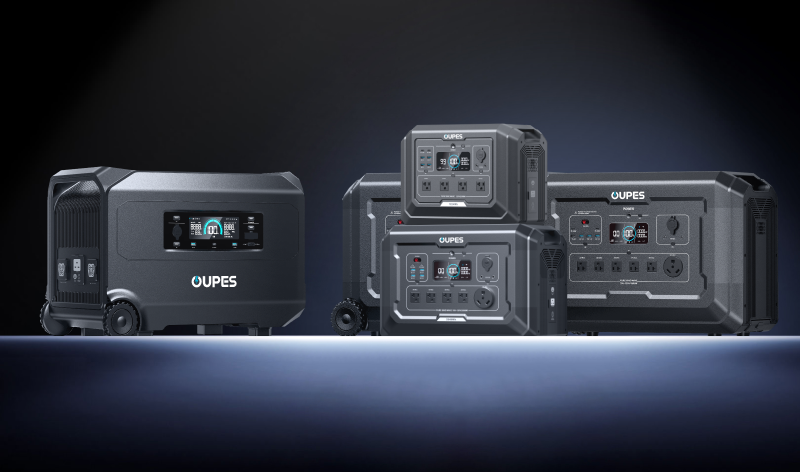
- Recommended OUPES Portable Power Solutions
- Are They Worth It? Final Verdict
- FAQ
What Is a Small Portable Power Setup?
A small portable power setup usually includes:
- A compact battery power station (under ~1500Wh)
- Built-in inverter for AC output
- Multiple ports (USB, DC, AC)
- Optional solar charging capability
Unlike traditional generators, these systems are quiet, require no fuel, and can be used safely indoors.
Why People Are Considering Them
There are several reasons why demand for small portable power solutions is rising:
- Frequent outages: The U.S. Energy Information Administration (EIA) reports that weather-related outages are increasing.
- Remote work: People need reliable power for laptops and internet devices.
- Outdoor lifestyle: Camping, RV travel, and off-grid living require portable energy.
- Emergency preparedness: Government agencies recommend backup power solutions for disasters.
In short, these setups are designed to fill the gap between everyday convenience and emergency readiness.
Real-Life Scenarios: Where They Shine
1. Short-Term Power Outages
During a blackout, even a small power station can keep essential devices running.
| Device | Power (W) | Use Case |
|---|---|---|
| Smartphone | 10W | Communication |
| WiFi Router | 10-20W | Internet access |
| Laptop | 50W | Work continuity |
| LED Light | 5-10W | Lighting |
Scenario insight: A ~1000Wh unit can keep these devices running for many hours, covering most short outages.
2. Outdoor Camping and Travel
Portable power setups provide electricity for lighting, cooking devices, and charging electronics without relying on noisy generators.
3. Emergency Kits
The Ready.gov emergency kit guidelines recommend backup power for communication and safety equipment.
4. Urban Apartment Backup
For people living in apartments, large generators are impractical. Small power stations provide a safe indoor alternative.
Limitations You Should Know
Despite their advantages, small portable power setups have limitations:
- Limited capacity: Not suitable for large appliances like HVAC systems
- Shorter runtime: Designed for hours—not days—of heavy use
- Output constraints: Lower wattage limits simultaneous usage
This makes them ideal for essential devices—but not full home backup.
Small vs Large Power Systems
| Feature | Small Setup | Large System |
|---|---|---|
| Capacity | 500–1500Wh | 2000Wh+ |
| Portability | High | Moderate |
| Use Case | Short-term, mobility | Whole-home backup |
| Cost | Lower | Higher |
Choosing between them depends on your specific needs.
Recommended OUPES Portable Power Solutions
1. OUPES Mega 1 Lite
A compact and affordable entry-level power station.
| Specification | Details |
|---|---|
| Capacity | 1024Wh |
| Output | 2000W |
| Best Use | Short outages, essential devices |
Scenario: Keep phones, lights, and internet running during a power outage.
2. OUPES Exodus 1200
Lightweight and portable for outdoor and emergency use.
| Specification | Details |
|---|---|
| Capacity | 992Wh |
| Output | 1200W |
| Best Use | Travel, emergency kits |
Scenario: Ideal for camping trips or backup communication power.
3. OUPES Mega 2
A step up in capacity for users needing longer runtime.
| Specification | Details |
|---|---|
| Capacity | 2048Wh |
| Output | 2500W |
| Best Use | Extended backup |
Scenario: Power small appliances like refrigerators during outages.
Are They Worth It? Final Verdict
Yes—if you understand their role.
Small portable power setups are worth having if you need:
- Reliable backup for essential devices
- Portable power for outdoor or mobile use
- A safe indoor alternative to generators
However, they are not a replacement for whole-home energy systems. Instead, they serve as a flexible, cost-effective layer of preparedness.
From a practical standpoint, they offer a strong balance between affordability, usability, and real-world value—especially for modern lifestyles that depend heavily on electricity.
FAQ
1. Can small portable power stations run a refrigerator?
Some models can, but runtime will be limited.
2. How long can they power devices?
Typically several hours to a day depending on usage.
3. Are they safe for indoor use?
Yes, they produce no emissions.
4. Do they support solar charging?
Most models support solar input.
5. Are they worth it for apartments?
Yes, they are one of the best backup solutions for small spaces.
6. Can they replace generators?
Not entirely, but they are safer and quieter alternatives for light use.
7. How often should they be maintained?
Minimal maintenance—just keep them charged and stored properly.
8. What size should I choose?
Depends on your devices and how long you need backup power.