




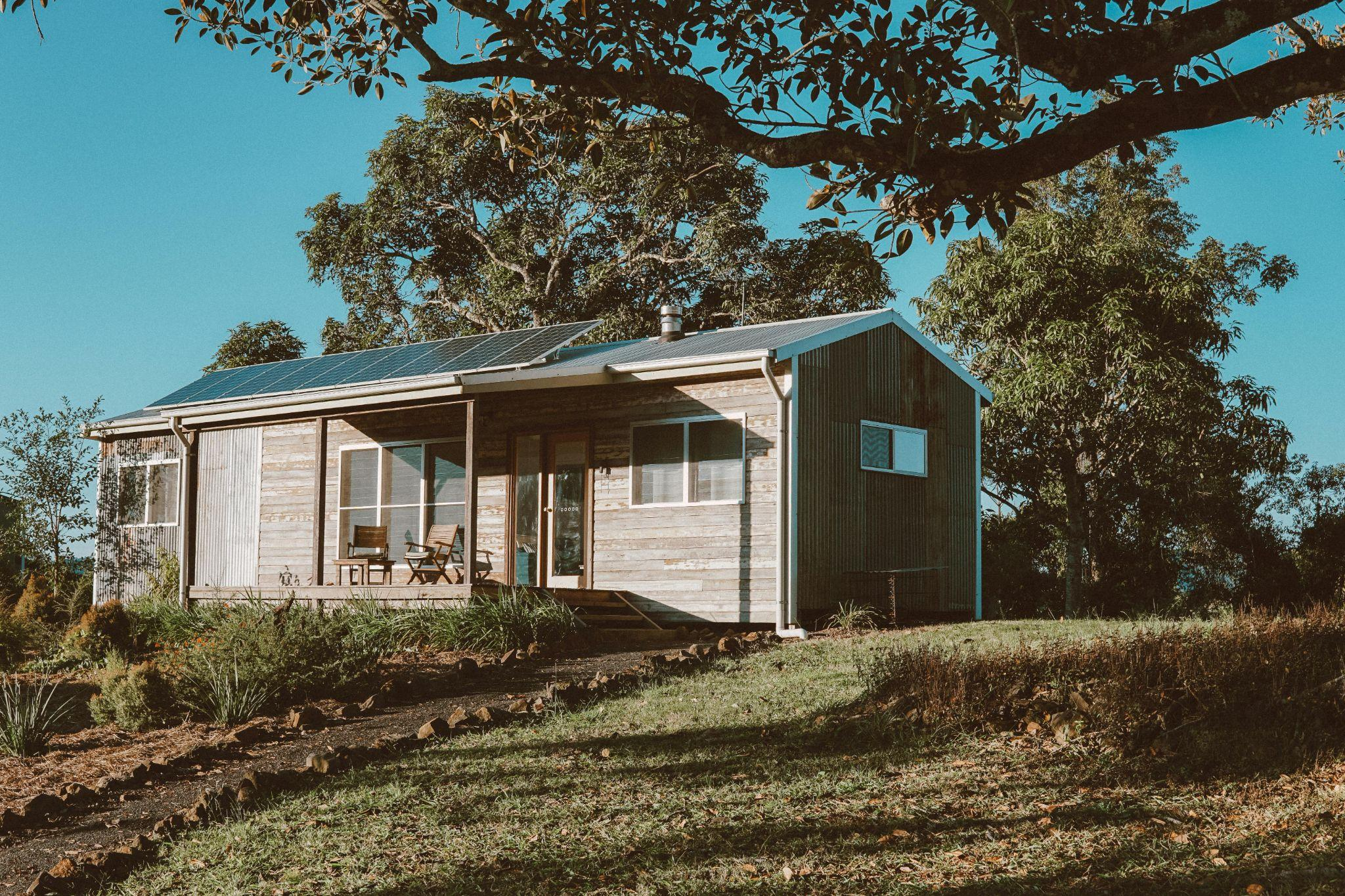
As energy costs continue to rise and extreme weather events become more frequent, homeowners are increasingly looking for reliable, cost-effective, and sustainable energy solutions. Solar energy has emerged as one of the most practical choices for modern households—not just for environmental reasons, but for real-world benefits like energy independence, cost savings, and resilience during outages.
According to the U.S. Energy Information Administration (EIA), solar energy is one of the fastest-growing sources of electricity in the United States, driven by declining costs and increasing demand for clean energy.
Table of Contents
- Why Solar Energy Is Gaining Popularity
- Key Benefits of Solar Energy for Homes
- Real-Life Home Scenarios
- How a Home Solar System Works
- Why Pair Solar with Portable Power Stations
- Recommended OUPES Power Solutions
- Product Comparison Table
- FAQ
Why Solar Energy Is Gaining Popularity
Solar energy adoption is accelerating due to three major factors:
- Rising electricity costs: Residential electricity prices in the U.S. have steadily increased over the past decade (EIA data).
- Grid instability: Severe weather events are the leading cause of power outages.
- Technological improvements: Solar panels and battery storage systems are more efficient and affordable than ever.
In simple terms, solar energy allows homeowners to generate and control their own electricity instead of relying entirely on the grid.
Key Benefits of Solar Energy for Homes
1. Lower Electricity Bills
Solar energy reduces dependence on utility providers. Over time, homeowners can significantly cut their monthly energy expenses.
2. Energy Independence
With a solar system and battery storage, you are less affected by grid outages or price fluctuations.
3. Reliable Backup During Emergencies
Solar energy combined with storage systems ensures power availability during storms, blackouts, or disasters.
4. Environmentally Friendly
Solar energy produces no emissions. According to the U.S. Department of Energy, solar power helps reduce greenhouse gas emissions and dependence on fossil fuels.
5. Long-Term Investment Value
Solar systems can increase property value and provide long-term returns through energy savings.
Real-Life Home Scenarios
To understand the value of solar energy, it’s important to look at real-life scenarios:
| Scenario | Problem | Solar Solution |
|---|---|---|
| Power Outage | No electricity for hours or days | Solar + battery keeps essential devices running |
| High Energy Bills | Monthly expenses increasing | Solar reduces grid consumption |
| Remote Living | No reliable grid access | Solar provides independent power supply |
| Emergency Preparedness | Unpredictable disasters | Backup energy ensures safety and communication |
How a Home Solar System Works
A complete home solar system typically includes:
- Solar Panels: Capture sunlight and convert it into electricity
- Battery Storage: Stores excess energy for later use
- Inverter: Converts DC power into usable AC electricity
During the day, solar panels generate electricity. Excess energy is stored in batteries, which can be used at night or during outages.
Why Pair Solar with Portable Power Stations
While traditional solar systems are effective, portable power stations offer flexibility and ease of use. They allow you to:
- Use solar energy without complex installation
- Maintain power during outages
- Move energy storage where it is needed
This makes them ideal for both home backup and outdoor applications.
Recommended OUPES Power Solutions
1. OUPES Mega 3 Portable Power Station
The Mega 3 is designed for high-demand home applications and emergency backup.
| Specification | Details |
|---|---|
| Capacity | 3072Wh |
| Output | 3600W (7000W Surge) |
| Best Use | Home backup, multiple appliances |
Scenario: Power refrigerators, routers, and lights simultaneously during outages.
2. OUPES Exodus 2400
A balanced option for both home and portable use.
| Specification | Details |
|---|---|
| Capacity | 2232Wh |
| Output | 2400W |
| Best Use | Backup + outdoor flexibility |
Scenario: Ideal for households needing backup power plus mobility.
3. OUPES Guardian 6000
A high-capacity system built for whole-home backup and high-load appliances.
| Specification | Details |
|---|---|
| Capacity | 4608Wh |
| Output | 6000W (240V support) |
| Best Use | Whole-home energy solution |
Scenario: Run heavy appliances like air conditioners or water heaters during extended outages.
Product Comparison Table
| Model | Capacity | Output | Best Scenario |
|---|---|---|---|
| Mega 3 | 3072Wh | 3600W | Home backup |
| Exodus 2400 | 2232Wh | 2400W | Flexible use |
| Guardian 6000 | 4608Wh | 6000W | Whole-home power |
FAQ
1. Is solar energy reliable for home use?
Yes, especially when combined with battery storage systems.
2. Can solar power run an entire house?
Yes, depending on system size and energy usage.
3. What happens at night?
Stored energy in batteries powers your home.
4. Is solar expensive to install?
Initial costs exist, but long-term savings often outweigh them.
5. Do portable power stations work with solar panels?
Yes, most support solar charging for renewable energy storage.
6. How long do solar systems last?
Typically 20–25 years for panels, with batteries lasting several years.
7. Can solar help during blackouts?
Yes, especially when paired with energy storage systems.
8. Is solar energy environmentally friendly?
Yes, it produces clean, renewable energy with no emissions.