




A bomb cyclone—often called a “winter hurricane”—is one of the most destructive winter weather systems. It combines hurricane-force winds, heavy snow, freezing rain, coastal flooding, and widespread power outages. When one hits, normal winter preparedness is often not enough.
This guide explains what a bomb cyclone is, why it causes such severe disruptions, and how solar-supported portable power stations can help you maintain electricity, heat, and communication when the grid fails for days.
What Is a Bomb Cyclone?
A bomb cyclone is a rapidly intensifying storm that forms when cold Arctic air collides with warm ocean air. Meteorologists define it as a storm whose central pressure drops extremely fast—creating violent winds and severe winter weather.
Key Characteristics of a Bomb Cyclone
- Explosive pressure drop in 24 hours
- Hurricane-force wind gusts
- Heavy snow, blizzards, or freezing rain
- Extreme temperature swings
Bomb cyclones are becoming more common and more intense, affecting large regions at once.
Why Is It Called a “Winter Hurricane”?
The nickname “winter hurricane” comes from the storm’s wind strength and scale. While it doesn’t form like a tropical hurricane, its impacts can be just as destructive.
Similarities to Hurricanes
- Winds capable of damaging infrastructure
- Widespread power outages
- Transportation shutdowns
- Multi-day recovery timelines
The difference is temperature: bomb cyclones bring cold, snow, and ice—making survival even more challenging.
Major Risks During a Bomb Cyclone
1. Prolonged Power Outages
High winds and ice accumulation knock down power lines over wide areas, often faster than crews can respond.
2. Loss of Heating
Most heating systems depend on electricity. When power fails, indoor temperatures can drop dangerously within hours.
3. Isolation
Snowed-in roads and unsafe travel conditions can leave households isolated for days.
4. Communication Failures
Without power, phones, routers, and emergency alerts become inaccessible.
Why Bomb Cyclones Cause Massive Power Outages
Bomb cyclones attack the power grid from multiple angles simultaneously.
Why Restoration Takes Longer
- Winds prevent safe repair work
- Snow and ice block access to damaged areas
- Large geographic impact overwhelms crews
Unlike brief winter outages, bomb cyclone blackouts can last several days—or longer.
How to Prepare Before a Bomb Cyclone Hits
Secure Your Home
- Seal windows and doors to reduce heat loss
- Insulate pipes and exposed plumbing
- Clear loose outdoor items
Build a Multi-Day Emergency Supply
- Food and water for at least 5–7 days
- Warm clothing and blankets
- Emergency lighting
Prepare Independent Power
Because outages can last for days, relying solely on grid power is risky. Independent power—especially solar-supported systems—becomes critical.
What to Do During a Bomb Cyclone
Shelter in Place
Avoid travel. Winds, whiteouts, and icy conditions make roads extremely dangerous.
Create a Warm Zone
- Concentrate family members in one insulated room
- Block drafts and conserve heat
Manage Power Strategically
Use electricity only for essential needs to extend backup runtime.
Why Solar Power Matters in Bomb Cyclone Survival
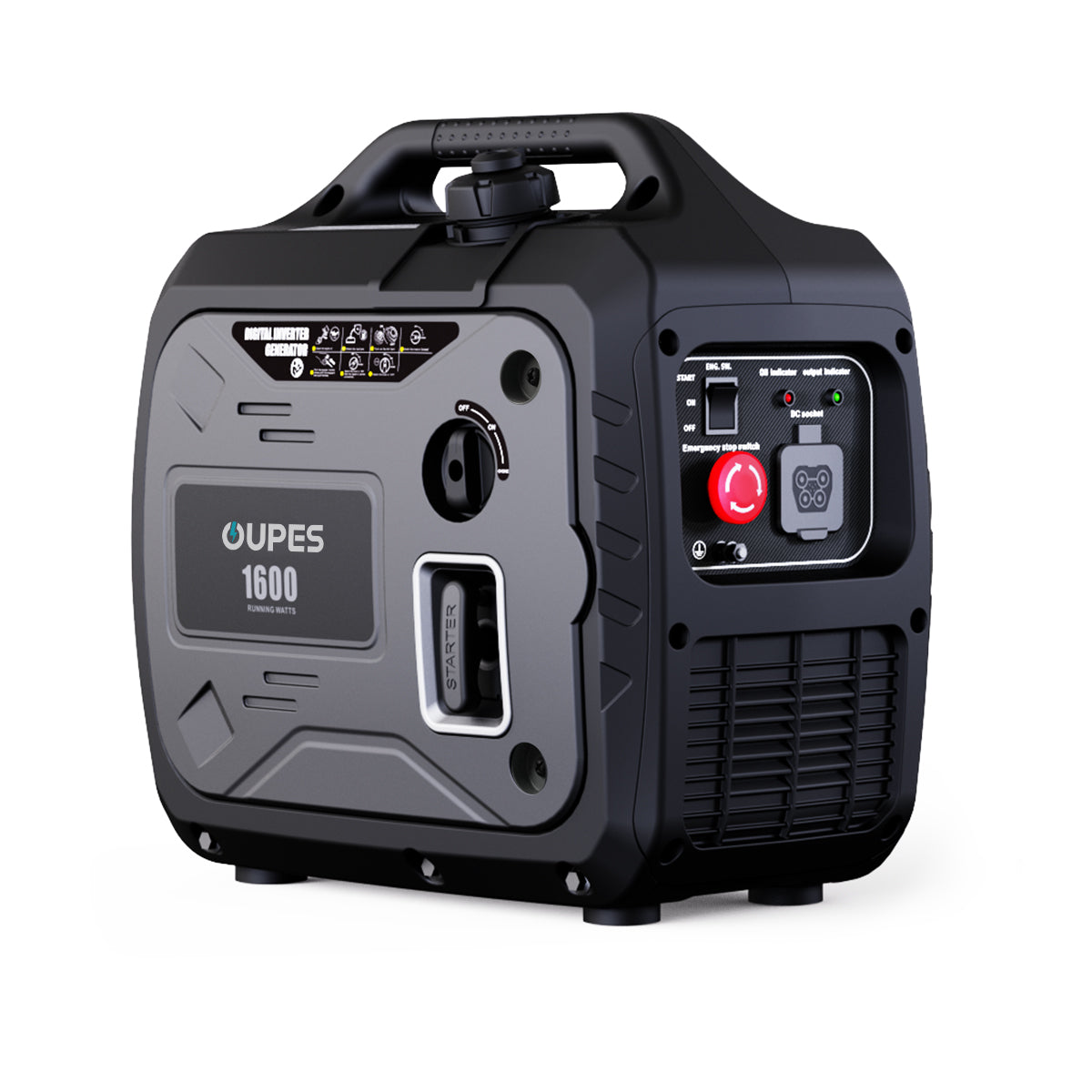
Fuel-based generators face serious challenges during bomb cyclones. Roads may be blocked, fuel may be unavailable, and outdoor operation may be unsafe.
Advantages of Solar-Supported Power
- No fuel delivery required
- Safe indoor operation
- Ability to recharge during extended outages
How Solar Helps During Multi-Day Blackouts
Even limited winter sunlight can help recharge batteries, extending your ability to power essentials when the grid is down for days.
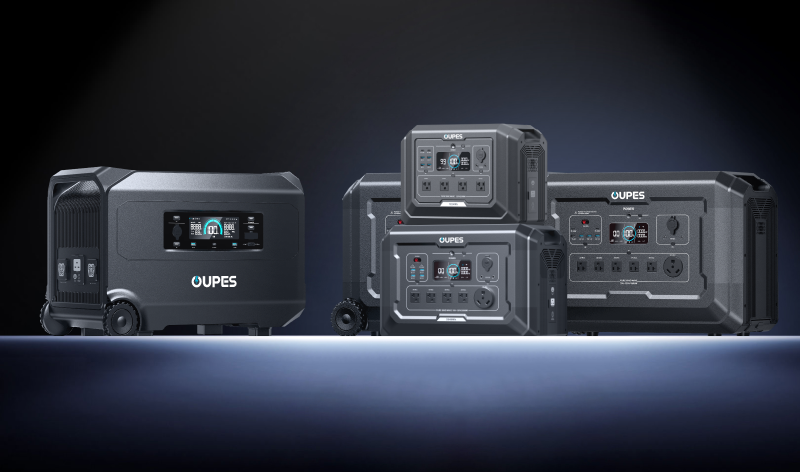
Choosing an OUPES Solar Power Station for Bomb Cyclones
Bomb cyclones require high-capacity, long-duration backup power with solar recharging capability.
| Model | Battery Capacity | Output Power | Bomb Cyclone Use Case | Estimated Coverage* |
|---|---|---|---|---|
| OUPES Mega 2 | 2048Wh | 2500W | Short multi-day outages | 1–2 days |
| OUPES Mega 3 | 3072Wh | 3600W | Typical bomb cyclone events | 2–3 days |
| OUPES Mega 5 | 5040Wh | 4000W | Extended outages with solar recharge | 3–5 days+ |
*Coverage depends on load management, temperature, and available sunlight.
Key Selection Tips
- Plan for at least 72 hours of independence
- Choose systems compatible with solar panels
- Prioritize heating, communication, and refrigeration
What to Do After the Bomb Cyclone Passes
Inspect Your Home Carefully
- Check for roof and structural damage
- Inspect pipes for leaks
- Ensure vents are clear of snow
Recharge and Rebuild
Recharge your power station using grid or solar power and restock emergency supplies immediately.
Improve Future Readiness
Bomb cyclones are becoming more frequent. Each event should strengthen your preparedness plan.
Frequently Asked Questions
1. How long can bomb cyclone power outages last?
From several days to over a week in severe cases.
2. Is solar power effective in winter storms?
Yes. Even limited sunlight can meaningfully extend battery runtime.
3. Can a portable power station run heating systems?
It can support heating controls and supplemental heaters within safe limits.
4. Should I rely on fuel generators during bomb cyclones?
Fuel access and outdoor operation can be difficult during extreme winter storms.
5. How much power should I plan for?
Enough to support essentials for at least 72 hours.
6. Are bomb cyclones becoming more common?
Yes. Rapidly intensifying winter storms are increasing in frequency.
7. Is it safe to use power stations indoors?
Yes. Battery-based systems produce no emissions.
8. What is the biggest bomb cyclone mistake?
Assuming outages will be short.