




Snow squalls are among the most dangerous winter weather events—not because they last long, but because they strike fast. In minutes, visibility can drop to near zero, temperatures can plunge, and power interruptions can leave homes and drivers exposed.
This survival guide explains how snow squalls work, why they are so dangerous, and how a portable power station can protect you and your family during sudden whiteout conditions—when there is no time to react.
What Is a Snow Squall?
A snow squall is a brief but intense burst of heavy snow, strong winds, and rapidly falling temperatures. Unlike a snowstorm, a snow squall often lasts only 15 to 60 minutes—but its impact is immediate and severe.
Key Characteristics of a Snow Squall
- Sudden onset with minimal warning
- Near-zero visibility (whiteout conditions)
- Strong, gusty winds
- Rapid icing on roads and surfaces
Snow squalls are especially dangerous because people rarely have time to prepare once they begin.
Why Sudden Whiteouts Are So Dangerous
Whiteouts caused by snow squalls remove visual reference points almost instantly. Drivers, pedestrians, and even emergency responders may lose orientation.
Immediate Risks During Whiteouts
- Multi-vehicle highway accidents
- Vehicles sliding off roads
- Delayed emergency response
- People stranded in freezing conditions
For homes, the danger comes from sudden power loss combined with rapidly dropping temperatures.
How Snow Squalls Affect Homes and Power
Although snow squalls are short, they can cause immediate stress on local power infrastructure.
Common Home Impacts
- Brief but disruptive power outages
- Heating system interruptions
- Loss of lighting during critical moments
- Communication disruptions
In freezing temperatures, even a short outage can reduce indoor comfort and safety.
Real Snow Squall Survival Scenarios
Scenario 1: Sudden Evening Whiteout at Home
The lights go out just as visibility drops outside. Roads are unsafe, and temperatures are falling fast. Immediate access to lighting and heating support becomes critical.
Scenario 2: Overnight Power Interruption
A snow squall passes overnight, briefly knocking out power. Without backup power, indoor temperatures drop, increasing the risk of frozen pipes and unsafe conditions.
Scenario 3: Remote or Rural Location
In less populated areas, even short outages can take longer to resolve due to hazardous travel conditions.
What to Do When a Snow Squall Hits
If You Are at Home
- Stay indoors and avoid unnecessary movement
- Switch immediately to emergency lighting if power fails
- Conserve heat by closing doors and blocking drafts
If You Are Driving
- Slow down immediately
- Turn on headlights
- Exit the roadway if visibility becomes unsafe
If You Lose Power
Assume the outage may last longer than expected and activate your backup power plan immediately.
Power Failure Risks During Snow Squalls
Snow squalls usually cause short outages—but timing matters more than duration.
Why Short Outages Are Dangerous
- Heating systems stop suddenly
- Lighting loss during whiteouts increases injury risk
- Communication loss delays assistance
In extreme cold, even a one-hour outage can significantly lower indoor temperatures.
How a Portable Power Station Keeps You Safe
A portable power station provides instant, clean backup electricity when the grid fails—without fuel, fumes, or complex setup.
Safety Benefits During Snow Squalls
- Immediate lighting during whiteouts
- Support for heating system controls
- Reliable communication and device charging
- Safe indoor operation
Why Portable Power Is Ideal for Snow Squalls
- No warm-up or startup delay
- Quiet operation during emergencies
- Works even when roads are impassable
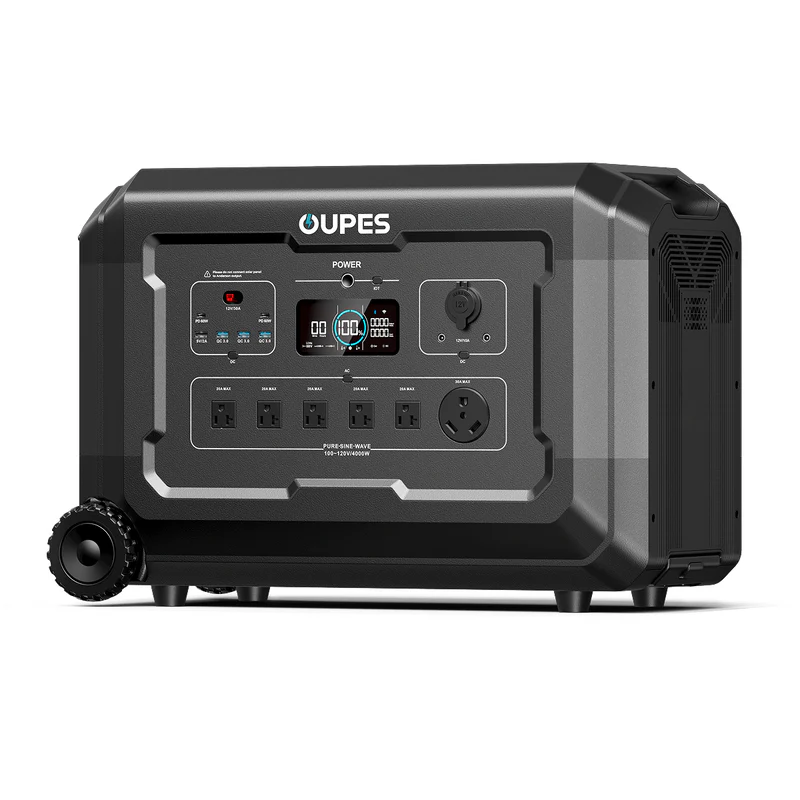
Choosing the Right OUPES Power Station for Snow Squalls
Snow squalls require fast-response power rather than long-term capacity. Choosing the right system ensures your essentials stay on during sudden disruptions.
| Model | Battery Capacity | Output Power | Snow Squall Protection Use | Typical Coverage* |
|---|---|---|---|---|
| OUPES Mega 1 | 1024Wh | 2000W | Lighting, communication, heating controls | Several hours |
| OUPES Mega 2 | 2048Wh | 2500W | Overnight safety and warmth | Up to 1 day |
| OUPES Mega 3 | 3072Wh | 3600W | High-risk winter regions | 1–2 days |
| OUPES Mega 5 | 5040Wh | 4000W | Frequent winter disruptions | Multi-day resilience |
*Coverage varies based on temperature, load, and usage.
Snow Squall Readiness Tips
- Keep your power station fully charged in winter
- Test essential loads before storm season
- Store the unit indoors at room temperature
What to Do After a Snow Squall Passes
Check Conditions Carefully
Whiteouts may end quickly, but roads and surfaces can remain icy.
Inspect Power and Heating
- Confirm grid stability
- Recharge backup power immediately
- Check indoor temperature levels
Improve Future Preparedness
Snow squalls are warning signs. Use each event to strengthen your winter safety plan.
Frequently Asked Questions
1. How fast can a snow squall develop?
In minutes, often with little warning.
2. Are snow squalls more dangerous than snowstorms?
Yes, due to sudden whiteouts and rapid icing.
3. Do snow squalls usually cause power outages?
They can cause brief but critical outages.
4. Is backup power necessary for short outages?
Yes, especially in freezing conditions.
5. Can a portable power station be used indoors?
Yes. Battery-based systems are safe for indoor use.
6. Should I drive during a snow squall?
No, if it can be avoided.
7. How can I prepare for snow squalls in advance?
Keep emergency power charged and monitor forecasts.
8. What is the biggest snow squall mistake?
Assuming the outage will be too short to matter.