




Table of Contents
- Introduction
- How Solar Generators Work
- Can Solar Generators Function in Winter?
- Factors Affecting Winter Solar Performance
- Tips to Improve Solar Generator Efficiency in Winter
- How Cold Temperatures Affect Battery Performance
- Solar Generators vs. Gas Generators in Winter
- Best Winter Uses for Solar Generators
- Why OUPES Solar Generators Are Suitable for Winter Use
- FAQ
Introduction
As winter approaches, many people wonder whether their solar generators or portable power stations will continue to function effectively in cold weather and reduced sunlight. It’s a common misconception that solar power only works in bright, summer conditions. In reality, solar generators can operate efficiently even during winter months — when properly maintained and used strategically.
This article explores how solar generators work in winter, what factors affect their performance, and how you can optimize them to ensure reliable, eco-friendly power throughout the cold season.
How Solar Generators Work
A solar generator combines solar panels, a charge controller, a battery (often lithium-based), and an inverter. It captures sunlight and converts it into usable electrical power for devices and appliances.
Core Components
- Solar Panels: Capture sunlight and convert it into DC electricity.
- Charge Controller: Regulates voltage and current from panels to prevent battery overcharge.
- Battery: Stores energy for later use — especially useful on cloudy days or at night.
- Inverter: Converts DC power into AC electricity suitable for household use.
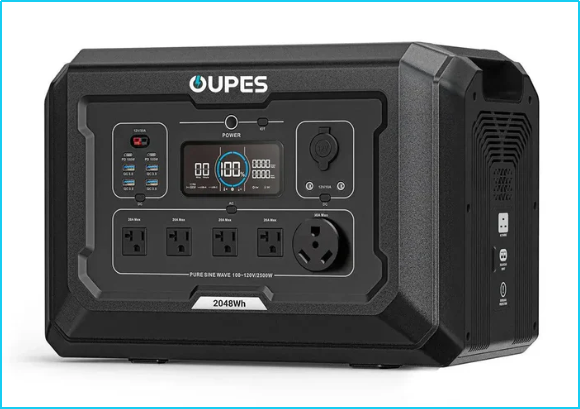
Many portable power stations, like those from OUPES, use advanced LiFePO₄ batteries that provide long-lasting power and superior performance, even in colder conditions.
Can Solar Generators Function in Winter?
Yes, solar generators can absolutely be used during winter. Solar panels generate power whenever there is daylight — not necessarily direct, strong sunshine. Even under overcast skies or during snow, sunlight still reaches the panels, though the efficiency might decrease slightly.
Key Insight:
According to the U.S. Department of Energy, solar panels can operate efficiently even in cold weather, and in some cases, perform better due to improved conductivity at lower temperatures. The main limiting factor is reduced daylight hours rather than temperature itself.
Factors Affecting Winter Solar Performance
Several environmental and technical factors can influence how much energy your solar generator captures during the winter season.
1. Sunlight Intensity
Winter days are shorter and often cloudier, meaning fewer sunlight hours. However, diffuse sunlight can still generate electricity, though at lower rates compared to direct sunlight.
2. Snow Accumulation
Snow covering solar panels can block sunlight entirely. Even a thin layer can reduce energy generation by up to 90%. It’s important to keep panels clean and free of snow buildup.
3. Panel Angle and Orientation
The angle of sunlight changes during winter. Adjusting your panels to a steeper tilt — roughly 60° for most northern regions — can help maximize exposure.
4. Temperature Effects
Contrary to popular belief, solar panels are more efficient in cold weather because electrons move more freely in low temperatures, improving energy conversion efficiency.
5. Battery Efficiency
While solar panels thrive in the cold, batteries may experience reduced performance in sub-zero conditions. Storing your power station in a temperature-controlled environment mitigates this issue.
Tips to Improve Solar Generator Efficiency in Winter
To ensure optimal performance during cold months, consider these expert recommendations:
1. Keep Panels Clean and Snow-Free
Use a soft brush or squeegee to remove snow buildup. Avoid metal tools that could scratch the solar cells.
2. Optimize the Tilt Angle
Adjust your panels to face the sun more directly during winter. In the Northern Hemisphere, this means increasing the angle closer to vertical.
3. Use Portable Mounting Systems
Portable solar panels with adjustable stands allow flexible positioning throughout the day, maximizing exposure to available sunlight.
4. Store the Power Station Indoors
Keep the portable power station in a warmer environment to preserve battery efficiency. Only the panels need to remain outside.
5. Combine Solar with AC Charging
During long overcast periods, recharge the unit via wall outlets or car adapters. Hybrid charging ensures you always have stored energy ready.
How Cold Temperatures Affect Battery Performance
Battery chemistry plays a crucial role in how your solar generator performs during winter. Different battery types respond differently to cold conditions.
| Battery Type | Cold-Weather Performance | Cycle Life | Maintenance |
|---|---|---|---|
| Lead-Acid | Degrades quickly below 0°C | 300–500 cycles | High |
| Lithium-Ion (NCM) | Moderate performance at low temperatures | 800–1500 cycles | Low |
| Lithium Iron Phosphate (LiFePO₄) | Excellent stability and performance down to -10°C | 3500+ cycles | Very low |
This makes LiFePO₄ batteries — used in many OUPES solar generators — an ideal choice for winter conditions, offering both safety and long-lasting reliability.
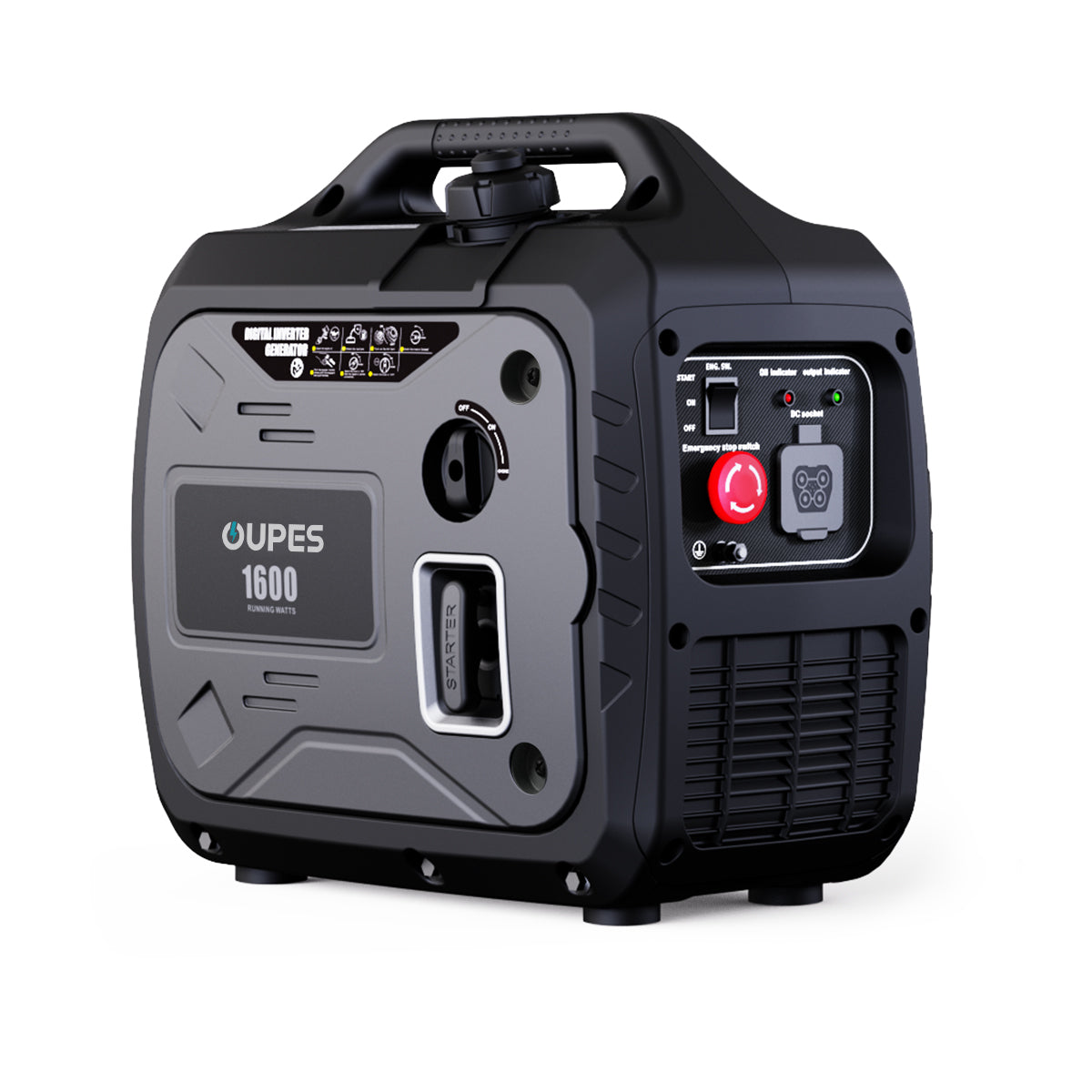
Solar Generators vs. Gas Generators in Winter
Both solar and gas generators can be used during winter, but they differ significantly in terms of efficiency, safety, and sustainability.
| Feature | Solar Generator | Gas Generator |
|---|---|---|
| Power Source | Sunlight and stored battery energy | Gasoline or propane |
| Operation Temperature | Efficient in cold, with minor sunlight reduction | Can be hard to start in freezing temperatures |
| Maintenance | Minimal — no moving parts | Requires fuel, oil changes, and filter replacements |
| Noise Level | Silent operation | Very loud (70–90 dB) |
| Safety | No fumes or carbon monoxide | Risk of CO poisoning in enclosed areas |
| Environmental Impact | Zero emissions | High emissions |
Solar generators offer clear advantages for winter use, particularly for indoor or remote applications where safety and quiet operation are priorities.
Best Winter Uses for Solar Generators
Solar generators are versatile tools for both emergencies and leisure during the winter season.
1. Emergency Backup Power
During winter storms or grid outages, a solar generator can power essential devices like heaters, lights, and communication tools.
2. Outdoor Activities
Whether camping, skiing, or hosting outdoor gatherings, portable power stations provide reliable energy for lighting, cooking, and charging electronics.
3. RV and Cabin Use
Off-grid dwellers can rely on solar generators to power small appliances and heating systems efficiently during cold months.
4. Home Support for Electronics
Keep Wi-Fi routers, medical devices, or laptops running during blackouts — silently and safely.
Why OUPES Solar Generators Are Suitable for Winter Use
OUPES designs its portable power stations and solar generators with cold-weather resilience in mind. Featuring LiFePO₄ battery technology and advanced battery management systems (BMS), they deliver consistent performance and long battery life even in winter temperatures.
Winter-Ready Features Include:
- Stable operation in temperatures as low as -10°C.
- Fast solar and AC charging for flexible energy use.
- High-efficiency pure sine wave inverter for sensitive devices.
- Silent, emission-free power for indoor and outdoor applications.
These features make OUPES solar generators an ideal choice for maintaining energy independence during the colder months.
FAQ
1. Do solar generators still charge on cloudy or snowy days?
Yes, though at a reduced rate. Even diffuse sunlight penetrates cloud and snow cover to generate power, albeit less efficiently.
2. Can cold temperatures damage a solar generator?
Not typically. Most modern lithium batteries have built-in temperature protection. Keeping the unit indoors or slightly warm ensures optimal performance.
3. Is solar power less efficient in winter?
Efficiency remains similar, but overall energy production is lower due to shorter daylight hours. Cold air can actually improve panel efficiency.
4. How do I maintain my solar generator in cold weather?
Keep it dry, sheltered, and periodically check connections. Recharge the battery regularly to prevent deep discharge.
5. Can I rely solely on a solar generator for winter home backup?
Yes, if sized properly. For consistent backup during long, cloudy spells, combine solar with grid or vehicle charging.