




Table of Contents
- Introduction
- Understanding Space Heaters and Their Power Requirements
- How Solar Generators Work
- Are Solar Generators Compatible with Space Heaters?
- Solar Generators vs. Gas Generators for Heating
- Key Factors to Consider Before Using a Space Heater with a Solar Generator
- Energy-Efficient Alternatives for Winter Heating
- Why OUPES Solar Generators Are Suitable for Winter Energy Needs
- FAQ
Introduction
As temperatures drop, many homeowners and campers turn to space heaters to stay warm. But what if you’re off-grid, camping, or facing a power outage? Can a solar generator — also known as a portable power station — reliably power your space heater?
The short answer is: it depends on the heater’s wattage and the generator’s capacity. While solar generators are excellent for powering lights, electronics, and small appliances, space heaters can be demanding in terms of power consumption. This article explores how solar generators perform with space heaters, what to consider before connecting them, and how to use them safely and efficiently.
Understanding Space Heaters and Their Power Requirements
How Much Power Do Space Heaters Use?
Most electric space heaters consume between 750W and 1500W of power, depending on size and settings. Some high-efficiency ceramic or infrared heaters may use less, but most household models operate near the upper end of that range.
Common Types of Space Heaters
| Heater Type | Average Power Draw | Heating Mechanism | Typical Use Case |
|---|---|---|---|
| Ceramic Heater | 1000–1500W | Electric resistance element and fan | Small rooms, offices |
| Infrared Heater | 750–1000W | Radiant heat using infrared light | Targeted heating, outdoor use |
| Oil-Filled Radiator | 1200–1500W | Heated oil reservoir emits warmth gradually | Bedrooms, living rooms |
| Propane Heater | 0W (non-electric) | Gas combustion | Outdoor or ventilated areas |
Understanding these power ratings is essential before connecting your space heater to a solar generator. If your heater requires 1500W, but your solar generator’s inverter only supports 1000W continuous output, the generator will shut off or trip its protection system.
How Solar Generators Work
A solar generator consists of three main parts: solar panels that collect sunlight, a battery that stores energy, and an inverter that converts stored DC power into usable AC power.
Key Components
- Solar Panels: Capture sunlight and generate electricity in DC form.
- Battery: Stores energy for later use. Most modern solar generators use Lithium Iron Phosphate (LiFePO₄) batteries for durability and safety.
- Inverter: Converts DC into AC power that can run standard home appliances.
The inverter’s rated output determines what devices can be powered. For example, a 1500W inverter can handle most laptops, lights, or small appliances — but may struggle with large heaters or cooking devices.
Are Solar Generators Compatible with Space Heaters?
Technically, yes — solar generators can power space heaters, but only if their power output matches or exceeds the heater’s requirements. The key factors to consider are wattage, capacity, and duration.
1. Wattage Output
If your heater uses 1500W, your solar generator’s continuous output should be equal to or greater than that value. Check both the heater’s label and your generator’s specifications.
2. Battery Capacity
Battery capacity (measured in watt-hours, Wh) determines how long your generator can power a device. For example, a 1500Wh battery running a 1500W heater will last approximately one hour — assuming 100% efficiency (which is rarely the case).
3. Efficiency and Heat Loss
In real-world use, you’ll experience energy losses due to inverter inefficiency (typically 10–15%) and cold temperature effects on the battery.
Estimated Runtime Examples
| Generator Capacity | Heater Power | Estimated Runtime |
|---|---|---|
| 1000Wh | 1500W | ~40 minutes |
| 2000Wh | 1000W | ~1.5–2 hours |
| 4000Wh | 750W | ~4–5 hours |
As seen above, while solar generators can power space heaters, their runtime is limited. For extended heating, you may need to prioritize lower-power heaters or use solar charging during daylight hours.
Solar Generators vs. Gas Generators for Heating
When comparing solar generators to traditional gas generators for heating applications, each has its strengths and limitations.
| Feature | Solar Generator | Gas Generator |
|---|---|---|
| Power Source | Battery and sunlight | Gasoline or propane |
| Noise Level | Silent | Loud (70–90 dB) |
| Maintenance | Minimal | Requires fuel and oil maintenance |
| Operating Cost | Zero fuel cost (solar-powered) | Ongoing fuel expenses |
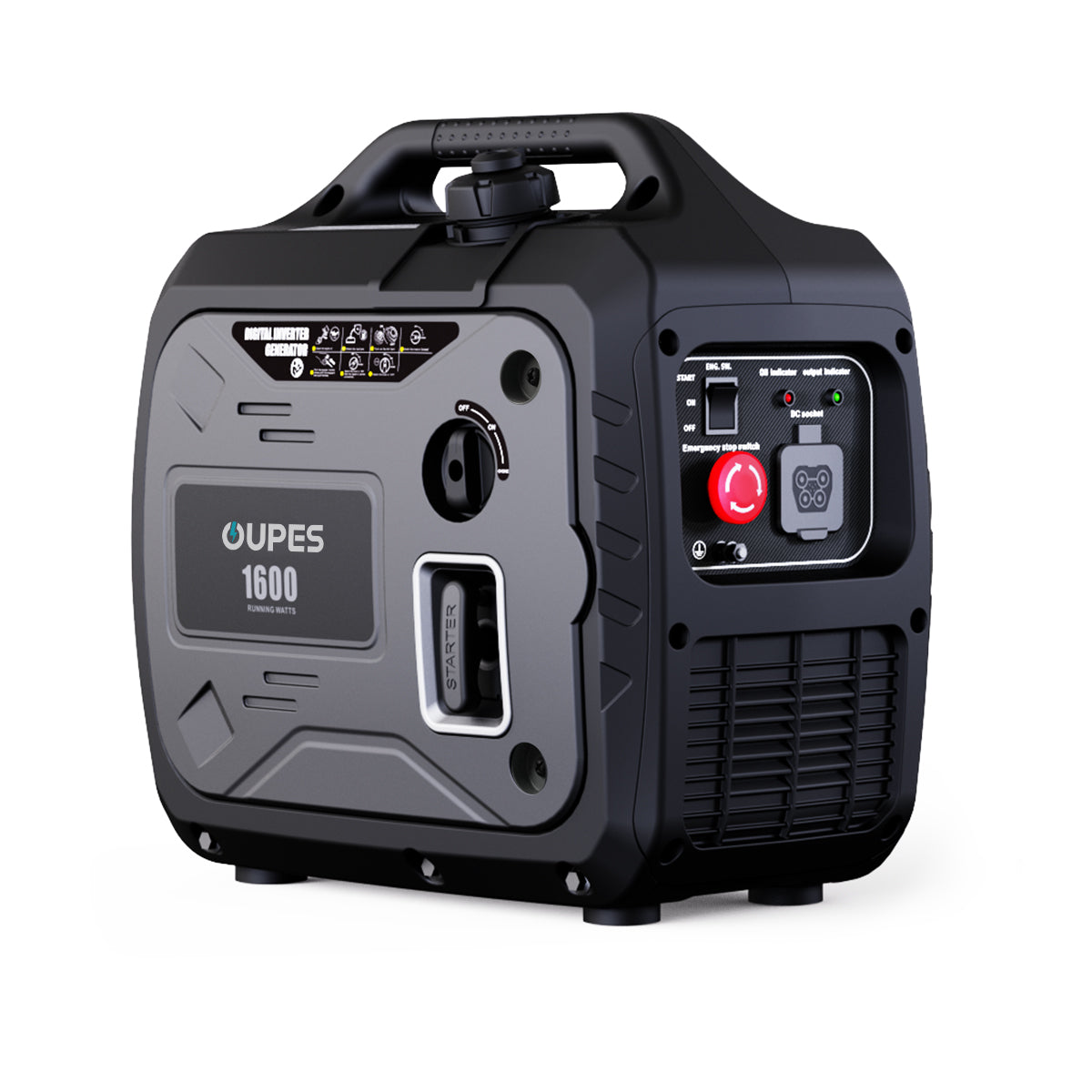
| Safety | No carbon monoxide risk | Requires ventilation to prevent CO poisoning |
| Runtime | Limited by battery capacity | Unlimited with fuel supply |
| Environmental Impact | Zero emissions | High emissions |
For short-term heating or indoor use, solar generators are safer and quieter. However, for continuous high-power heating, gas generators provide longer runtime — albeit with more noise and emissions.
Key Factors to Consider Before Using a Space Heater with a Solar Generator
1. Check the Heater’s Wattage
Always verify that your generator’s inverter can handle the heater’s maximum wattage. A mismatch can cause system overload or automatic shutdown.
2. Consider Heating Duration
If you need heating for several hours, choose a generator with a large capacity (3000Wh or higher) or use alternative low-power heating methods.
3. Manage Energy Priorities
Avoid running other high-wattage devices while the heater is active to maximize runtime.
4. Indoor Safety
Use only electric heaters indoors. Avoid propane or kerosene heaters in enclosed spaces due to carbon monoxide risk.
5. Temperature Management
Keep your power station warm (above freezing) to preserve battery efficiency. Cold batteries discharge faster and charge slower.
Energy-Efficient Alternatives for Winter Heating
If running a traditional space heater from a solar generator isn’t practical, there are several energy-efficient alternatives.
1. Heated Blankets or Pads
These typically use only 50–100W, allowing long runtimes even on small power stations.
2. Portable Infrared Panels
Infrared heaters provide focused warmth while consuming less energy than standard convection heaters.
3. Insulation and Thermal Curtains
Improving insulation and using heavy curtains can reduce heat loss, making electric heating more effective.
4. Combine Solar Power with Battery Storage
Use daytime solar charging to replenish your generator while using stored energy for nighttime heating.
Why OUPES Solar Generators Are Suitable for Winter Energy Needs
OUPES offers high-capacity portable power stations equipped with LiFePO₄ batteries and advanced Battery Management Systems (BMS) that ensure stable performance even in cold conditions.
Key Advantages:
- High output power for running appliances up to 4000W (depending on model).
- Fast solar and AC recharging for continuous use.
- Safe operation indoors — zero fumes and silent performance.
- Durable battery chemistry with over 3500 charge cycles.
For users seeking off-grid reliability or emergency winter backup, OUPES solar generators provide a safe and eco-friendly alternative to fuel-powered systems.
FAQ
1. Can a solar generator power a 1500W space heater?
Yes, but only if the generator supports 1500W continuous output and has sufficient capacity. Expect 1–2 hours of runtime depending on battery size.
2. Is it safe to use a space heater with a portable power station indoors?
Yes, if both devices are electric and meet safety certifications. Never use gas heaters indoors with limited ventilation.
3. How can I extend runtime when using a heater?
Lower the heater’s setting, insulate your space, or use supplemental heating like heated blankets to conserve energy.
4. Can solar panels recharge the generator fast enough in winter?
Yes, but charging times increase due to reduced sunlight. Using higher-wattage panels or AC charging can help maintain full power.
5. What size generator should I choose for winter heating?
For occasional heating, a 2000–3000Wh generator is sufficient. For extended use or multiple heaters, 4000Wh or more is recommended.