


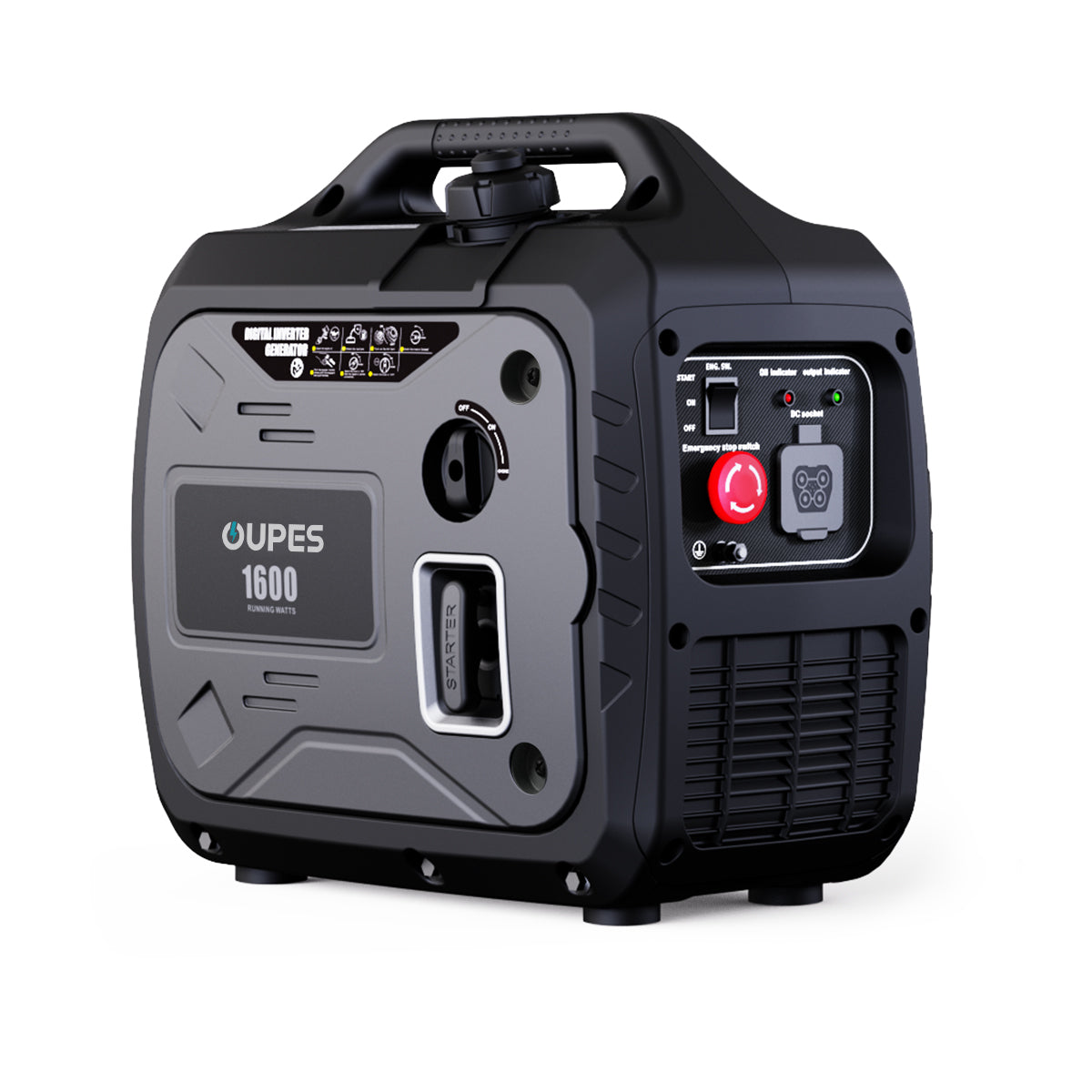


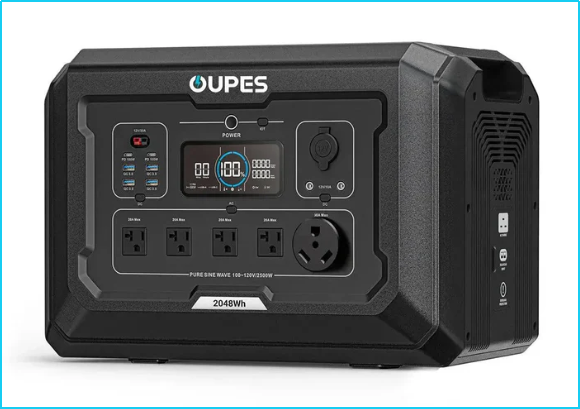
Reliable electricity is no longer a luxury—it is a necessity. From powering essential home appliances during outages to supporting outdoor adventures and mobile work, portable power solutions have become an integral part of modern life. Among the most commonly discussed options are inverter generators and portable power supplies.
Although these two solutions are often mentioned together, they serve different needs and operate in fundamentally different ways. This article provides a detailed, user-guided explanation of inverter generators and portable power supplies, helping you understand how they work, when to use them, and how to choose the right option for your specific scenario.
Why Understanding Power Supply Options Matters Today
Several trends have made portable power solutions increasingly important:
- More frequent power outages caused by extreme weather
- Growing demand for remote and flexible work setups
- Increased outdoor and off-grid lifestyles
- Rising awareness of safety, noise, and emissions
Choosing the wrong power solution can result in inconvenience, safety risks, or unnecessary costs. Understanding the differences between inverter generators and portable power supplies allows users to make informed, confident decisions.
What Is an Inverter Generator?
An inverter generator is a fuel-powered generator that produces electricity using an advanced inverter system. Unlike traditional generators that output raw AC power, inverter generators generate electricity in multiple steps.
In simple terms, an inverter generator:
- Generates AC power from fuel
- Converts AC to DC
- Inverts DC back into clean, stable AC power
This process results in a more stable electrical output, making inverter generators suitable for sensitive electronics compared to conventional generators.
What Is a Portable Power Supply?
A portable power supply, often called a portable power station, is a battery-based energy system that stores electricity and delivers it on demand.
Instead of burning fuel, portable power supplies rely on:
- Internal rechargeable batteries
- Built-in inverters for AC output
- Multiple charging methods such as AC, solar, or vehicle input
Portable power supplies are designed for quiet, emission-free operation and can be safely used indoors or outdoors.
Core Differences Between Inverter Generators and Portable Power Supplies
Although both options provide portable electricity, their differences are significant.
- Energy source: Fuel vs stored electricity
- Noise: Mechanical noise vs silent operation
- Emissions: Exhaust gases vs zero emissions
- Indoor use: Not safe vs fully safe
- Maintenance: Regular servicing vs minimal upkeep
These differences directly affect where, how, and how often each system can be used.
How Inverter Technology Works
Both inverter generators and portable power supplies rely on inverter technology, but the source of electricity differs.
In inverter generators:
- The engine speed adjusts to power demand
- Electricity is electronically regulated
- Output is cleaner than conventional generators
In portable power supplies:
- Stored DC energy is converted to AC
- Pure sine wave output protects sensitive devices
- No mechanical components are involved in power generation
This distinction explains why portable power supplies operate silently and require far less maintenance.
Real-World Usage Scenarios
Home Backup Power
During household power outages, both inverter generators and portable power supplies can provide relief, but their usability differs.
Portable power supplies are especially suitable for:
- Refrigerators and freezers
- Lighting and communication devices
- Medical equipment
- Indoor use without ventilation concerns
Inverter generators may provide longer runtimes for high loads, but they must remain outdoors and require fuel management.
Camping and Outdoor Activities
For camping, outdoor events, and recreational use, quiet operation and portability are often top priorities.
Portable power supplies excel in this scenario because they:
- Operate silently
- Do not disturb nature or nearby campers
- Can be recharged with solar panels
Inverter generators may be used in certain outdoor settings, but noise and fuel handling can limit their appeal.
Emergency and Disaster Preparedness
In emergency situations, reliability and safety are critical. Portable power supplies offer immediate, indoor-safe electricity without exposure to fumes or fire risk.
They are commonly used to support:
- Emergency lighting
- Communication equipment
- Medical devices
- Essential electronics
When paired with solar charging, portable power supplies can operate independently for extended periods.
Mobile Work and Remote Sites
For mobile professionals and remote worksites, consistent and clean power is essential.
Portable power supplies provide:
- Stable AC output for tools and electronics
- Easy transportation
- Low operational complexity
They are particularly useful where fuel delivery or noise restrictions apply.
Key Performance Factors to Consider
When evaluating inverter generators and portable power supplies, users should focus on several performance factors:
- Rated output power
- Surge capacity
- Runtime or battery capacity
- Charging or refueling options
- Scalability and expandability
Matching these factors to real usage needs ensures a balanced and cost-effective solution.
Safety, Noise, and Environmental Considerations
Safety is one of the most important differentiators.
Portable power supplies offer:
- Zero emissions
- No combustion
- Safe indoor operation
- Minimal heat generation
Inverter generators, while cleaner than traditional generators, still require careful outdoor placement and ventilation.
Noise is another factor. Battery-based systems operate quietly, making them suitable for residential areas and nighttime use.
How OUPES Portable Power Supplies Fit Modern Needs
OUPES portable power supplies are designed for users who prioritize safety, flexibility, and reliability. They combine:
- High-capacity battery storage
- Built-in pure sine wave inverters
- Multiple charging methods, including solar
- Long-life LFP battery technology
This design allows OUPES systems to cover a wide range of scenarios, from home backup to outdoor and emergency use, without the complexity and limitations associated with fuel-powered solutions.
Inverter Generator vs Portable Power Supply Comparison Table
| Feature | Inverter Generator | Portable Power Supply |
|---|---|---|
| Energy Source | Fuel | Battery |
| Noise Level | Low to moderate | Silent |
| Indoor Use | No | Yes |
| Emissions | Yes | None |
| Maintenance | Regular | Minimal |
| Solar Charging | No | Yes |
How to Choose the Right Power Solution
Choosing between an inverter generator and a portable power supply depends on your priorities.
A portable power supply is often the better choice if you:
- Need indoor-safe operation
- Value quiet performance
- Want renewable charging options
- Prefer low maintenance
Understanding your primary use case ensures you select a solution that performs reliably when it matters most.
Frequently Asked Questions
1. Are inverter generators safer than traditional generators?
They produce cleaner power, but still require outdoor use.
2. Can portable power supplies replace generators?
Yes, for many home, emergency, and portable applications.
3. Are portable power supplies powerful enough?
Modern systems can handle most essential appliances.
4. Do portable power supplies require maintenance?
Very little compared to fuel-powered generators.
5. Can portable power supplies be charged by solar?
Yes, solar charging is a major advantage.
6. Which option is quieter?
Portable power supplies operate silently.
7. Are portable power supplies safe for electronics?
Yes, pure sine wave output protects sensitive devices.
8. Which is better for emergencies?
Portable power supplies are safer and easier to deploy.
Final Thoughts
Inverter generators and portable power supplies both serve important roles, but they are designed for different priorities. Inverter generators offer fuel-based power for extended outdoor use, while portable power supplies provide clean, quiet, and flexible electricity for modern lifestyles.
For users focused on safety, convenience, and renewable energy integration, portable power supplies represent a forward-looking solution. By understanding the strengths and limitations of each option, you can confidently choose the power system that best supports your home, work, and adventures.