




Energy costs are one of the largest recurring expenses for many households. As electricity prices continue to rise in many regions, homeowners are increasingly looking for practical ways to reduce energy consumption while maintaining comfort and convenience.
Saving energy at home is not only beneficial for lowering utility bills but also helps reduce environmental impact and improve long-term household efficiency. The good news is that even small changes in how energy is used can make a significant difference over time.
This guide explores practical strategies homeowners can use to save energy, reduce electricity costs, and improve overall household energy efficiency.
Table of Contents
- Why Energy Bills Are Increasing
- Simple Daily Habits That Save Energy
- Using Energy-Efficient Appliances
- Improving Home Insulation and Temperature Control
- Monitoring and Managing Electricity Usage
- Using Backup Energy Solutions at Home
- Common Household Energy Consumption
- Frequently Asked Questions
Why Energy Bills Are Increasing
Several factors contribute to rising household electricity bills. One major reason is increased reliance on electronic devices. Modern homes use more appliances than ever before, including smart devices, home office equipment, entertainment systems, and kitchen appliances.
Seasonal temperature changes also play a role. Heating systems during winter and air conditioning during summer often account for a large percentage of home energy consumption.
Another factor is inefficient energy usage. Many households unknowingly waste electricity through standby power, outdated appliances, and poor insulation.
Understanding where energy is used is the first step toward reducing electricity costs.
Simple Daily Habits That Save Energy
Some of the most effective energy-saving strategies involve simple behavioral changes. These habits require little investment but can significantly reduce electricity usage over time.
Turn Off Unused Devices
Electronics such as televisions, gaming consoles, and computers often continue drawing power when left in standby mode. Turning them off completely can reduce unnecessary energy consumption.
Use Natural Lighting
Opening curtains and blinds during the day allows natural sunlight to illuminate rooms, reducing the need for artificial lighting.
Adjust Thermostat Settings
Lowering heating temperatures slightly in winter and raising cooling temperatures slightly in summer can reduce energy consumption without significantly affecting comfort.
Wash Clothes with Cold Water
Heating water consumes a large amount of electricity. Using cold water cycles whenever possible can reduce energy usage.
Using Energy-Efficient Appliances
Older appliances often consume significantly more electricity than modern energy-efficient models. Upgrading certain devices can reduce household energy consumption substantially.
LED Lighting
LED bulbs use far less electricity than traditional incandescent lighting while lasting much longer.
Energy-Efficient Refrigerators
Refrigerators run continuously throughout the day. Choosing efficient models can reduce electricity costs over the appliance’s lifespan.
Smart Power Strips
Smart power strips automatically cut off electricity to devices that are not actively being used, preventing standby power waste.
Improving Home Insulation and Temperature Control
Heating and cooling systems account for a significant portion of home energy consumption. Improving insulation can help maintain indoor temperatures more efficiently.
Seal Air Leaks
Small gaps around windows, doors, and vents can allow warm or cool air to escape, forcing HVAC systems to work harder.
Upgrade Window Efficiency
Double-pane or energy-efficient windows help maintain indoor temperatures more effectively.
Use Ceiling Fans
Ceiling fans help circulate air, allowing heating and cooling systems to operate more efficiently.
Monitoring and Managing Electricity Usage
Many homeowners underestimate how much energy individual devices consume. Monitoring energy usage can reveal opportunities for savings.
Smart Energy Monitoring
Smart home systems and energy monitors allow users to track electricity consumption in real time.
Time-of-Use Electricity Plans
Some utility providers offer lower electricity rates during off-peak hours. Running appliances during these periods can reduce overall costs.
Using Backup Energy Solutions at Home
In addition to reducing consumption, homeowners are increasingly exploring ways to manage electricity more efficiently during outages and peak energy demand.
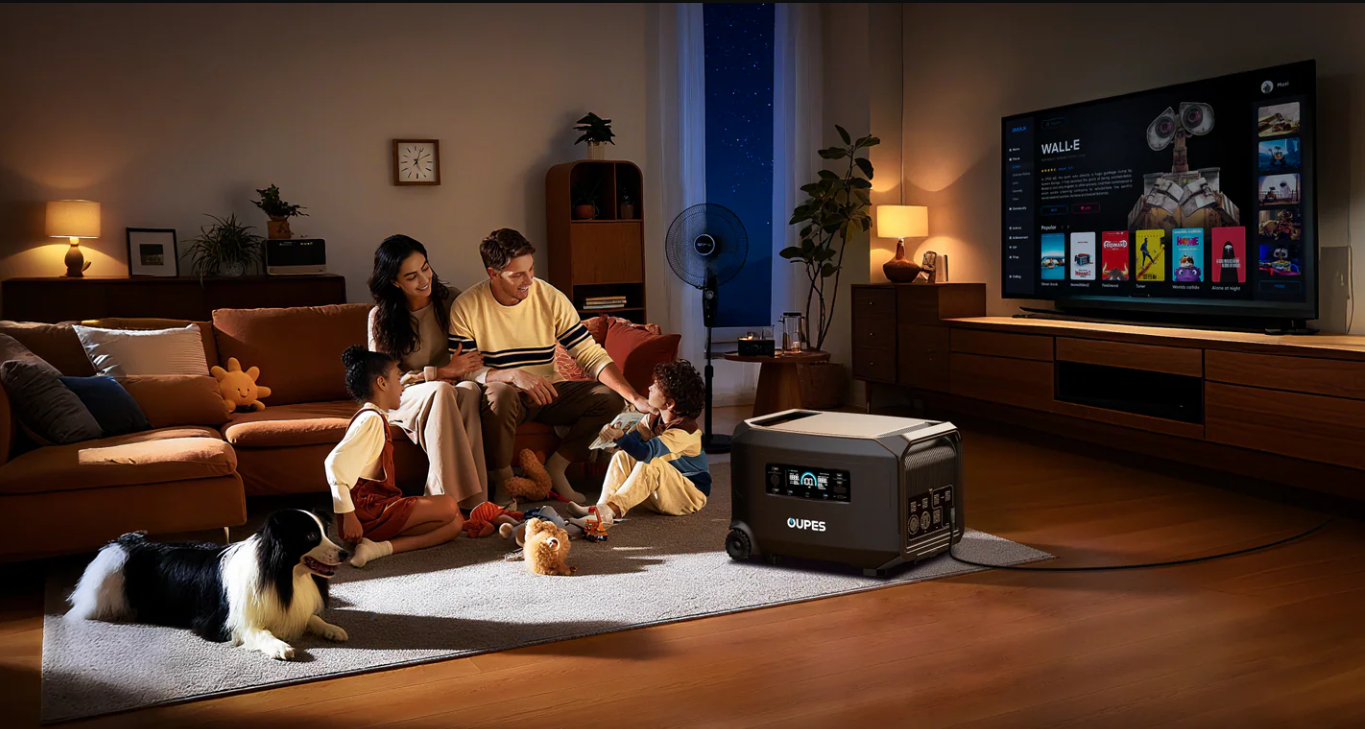
Portable energy storage systems can provide flexible backup electricity for essential devices while also helping households manage energy usage more effectively.
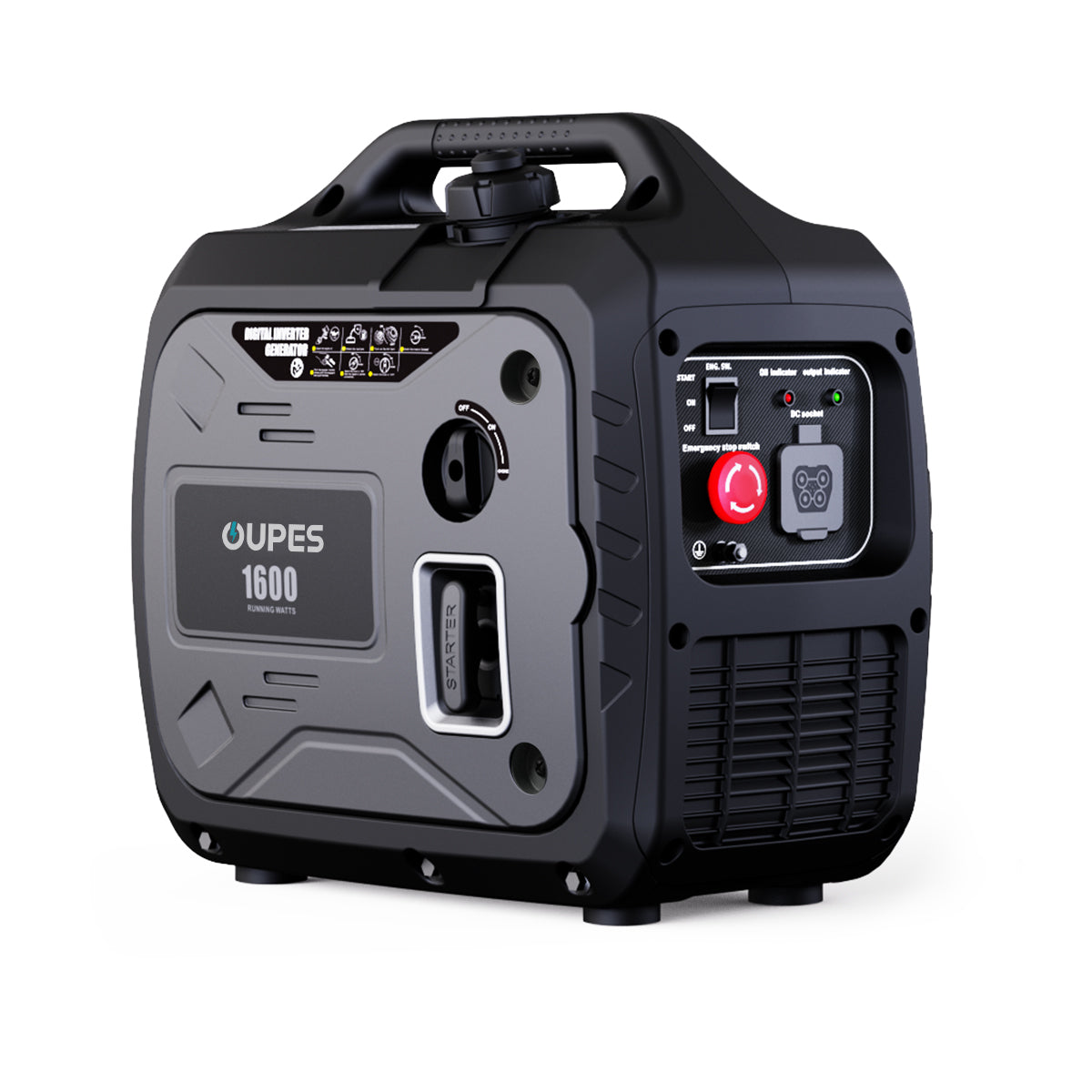
OUPES Portable Power Stations
Portable power stations offer a convenient way to store electricity for later use. They can power essential home electronics during outages and support energy management in various scenarios.
For example:
- OUPES Exodus series provides compact backup power for smaller household devices.
- OUPES Mega series offers larger capacity systems suitable for home backup energy.
These systems can also be charged using renewable sources such as solar panels, providing an additional layer of energy independence.
Common Household Energy Consumption
| Appliance | Average Power Use | Typical Usage |
|---|---|---|
| Refrigerator | 150–300W | Runs continuously |
| Air Conditioner | 1000–3500W | Cooling during summer |
| Washing Machine | 500–1000W | Weekly laundry |
| Laptop | 50–100W | Daily work or study |
| LED Light | 5–15W | Household lighting |
Understanding appliance consumption helps households prioritize where energy savings can have the greatest impact.
Frequently Asked Questions
What uses the most electricity in a home?
Heating and cooling systems typically consume the most electricity, followed by water heating and major appliances.
Do LED lights really save energy?
Yes. LED bulbs use significantly less electricity than traditional incandescent bulbs.
Is unplugging devices helpful for saving energy?
Yes. Many electronics draw standby power even when not actively being used.
How can I track my home’s electricity usage?
Smart energy monitors and utility reports can help identify high-energy devices.
Can renewable energy reduce electricity bills?
Yes. Solar energy systems and energy storage solutions can help reduce dependence on grid electricity.
Are portable power stations useful for home energy management?
Yes. They can provide backup electricity and support flexible energy usage during outages.
Is insulation important for energy savings?
Yes. Proper insulation helps maintain indoor temperatures and reduces heating and cooling costs.