




Camping allows people to disconnect from busy routines and reconnect with nature. However, modern camping still requires electricity for many everyday devices. Smartphones provide navigation and emergency communication, lights illuminate campsites after sunset, and portable refrigerators keep food fresh.
This raises an important question for both beginners and experienced outdoor enthusiasts: how do people get power while camping?
Today, campers use several different solutions depending on their location, trip duration, and energy needs. Some rely on simple battery packs for small devices, while others bring portable power stations capable of running appliances. Understanding these options can help you choose the most reliable power setup for your next outdoor adventure.
Table of Contents
- Why Power Is Important While Camping
- Common Ways Campers Get Power
- Using Solar Power While Camping
- Portable Power Stations for Camping
- Common Camping Devices and Their Power Needs
- Choosing the Right Camping Power System
- Frequently Asked Questions
Why Power Is Important While Camping
Camping traditionally meant leaving technology behind, but modern outdoor lifestyles often require at least some level of electricity. Many campers depend on devices for safety, comfort, and convenience.
For example, smartphones are frequently used for navigation, weather updates, and emergency communication. Lighting systems help illuminate campsites at night, while portable coolers or refrigerators help preserve food during longer trips.
Electricity also supports outdoor hobbies such as photography, drone flying, and remote work setups. As camping continues to evolve, reliable portable power has become an essential part of many outdoor experiences.
Common Ways Campers Get Power
There are several ways campers generate or store electricity while outdoors. The right choice depends on trip length, equipment needs, and the type of camping environment.
Portable Battery Packs
Small battery banks are one of the simplest power sources for camping. They are commonly used to recharge smartphones, GPS devices, and small electronics.
Advantages:
- Lightweight and easy to carry
- Affordable
- Good for short trips
Limitations:
- Limited battery capacity
- Cannot power larger devices
- Usually recharge only USB devices
Vehicle Charging
Car camping often allows travelers to charge devices using a vehicle's 12V outlet. While convenient, this approach depends on running the vehicle periodically to recharge electronics.
This method works best for short trips but is not ideal for extended off-grid camping.
Fuel Generators
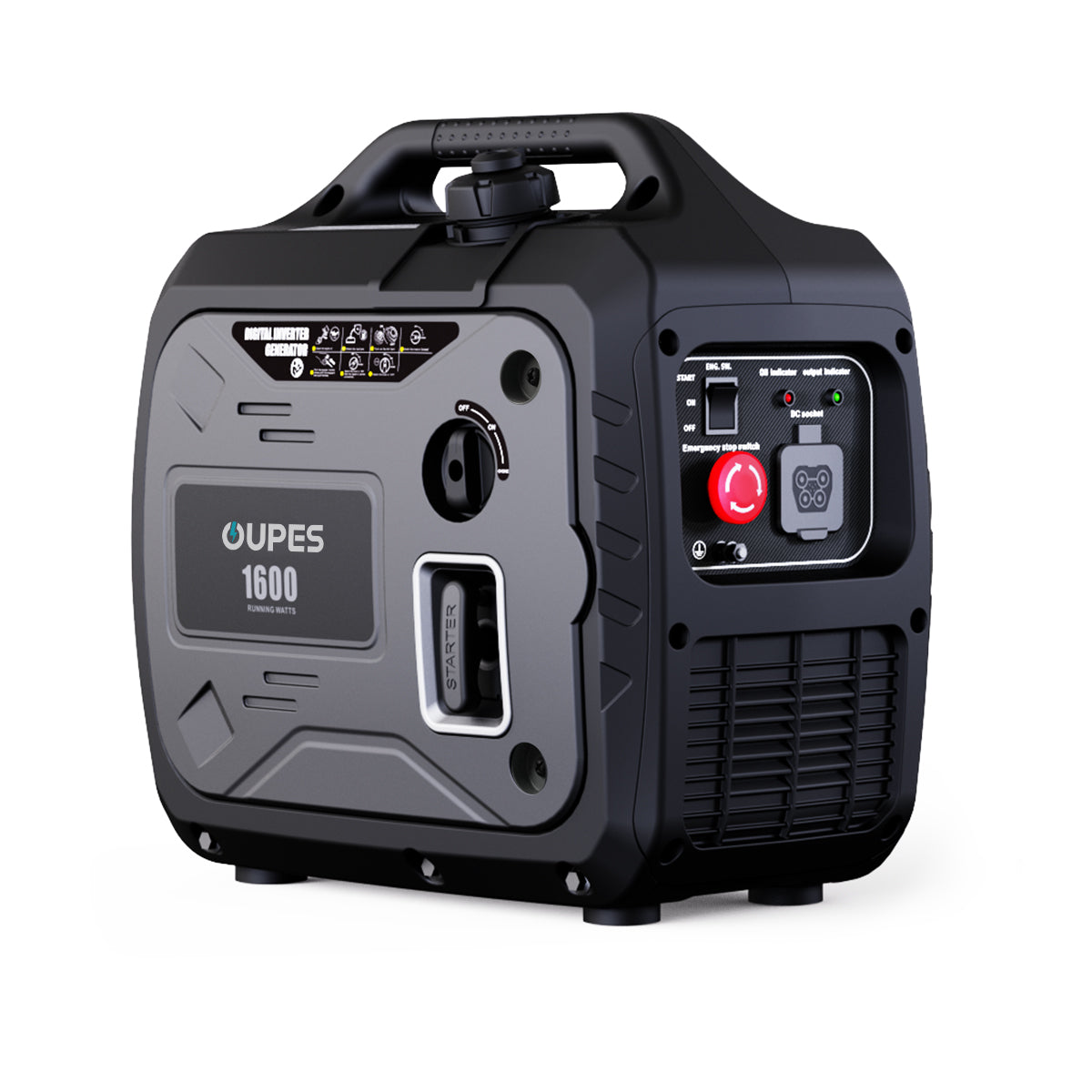
Traditional generators powered by gasoline or propane can produce large amounts of electricity. However, they are less common in remote campsites due to noise, fuel requirements, and restrictions in some camping areas.
Using Solar Power While Camping
Solar energy is one of the most popular solutions for generating electricity while camping. Portable solar panels capture sunlight and convert it into usable power.
This power can either charge devices directly or recharge portable battery systems.
Solar charging offers several advantages:
- Renewable energy source
- No fuel required
- Quiet operation
- Ideal for long off-grid trips
However, solar power depends on weather conditions and sunlight availability. Many campers combine solar panels with battery storage to ensure reliable power even at night.
Portable Power Stations for Camping
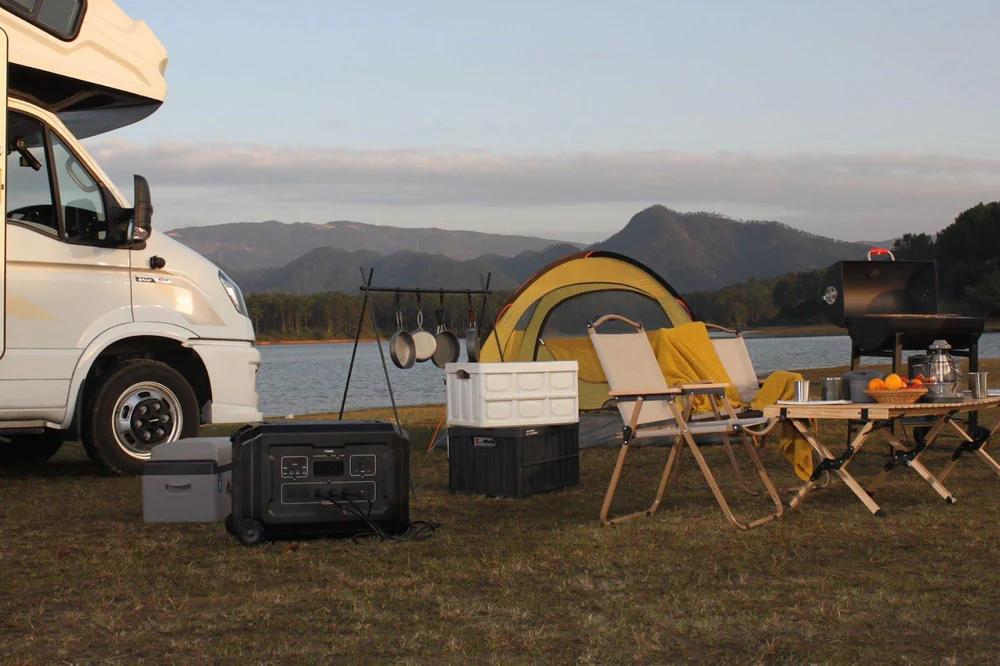
Portable power stations have become one of the most popular solutions for camping power. These devices store electricity in rechargeable batteries and provide multiple output ports for powering electronics and appliances.
Compared with small battery packs, portable power stations offer significantly higher capacity and can run larger devices such as cooking equipment, lights, and portable refrigerators.
OUPES Exodus Series for Lightweight Camping
The OUPES Exodus series is designed for portability and essential outdoor power needs. These compact power stations are ideal for weekend camping trips where travelers need reliable charging for personal electronics.
Typical uses include:
- Charging smartphones and cameras
- Powering campsite lighting
- Running small outdoor devices
OUPES Mega Series for Extended Outdoor Trips
For longer camping trips or car camping adventures, larger portable power stations provide greater capacity and output.
The OUPES Mega series supports a wider range of camping equipment, including portable refrigerators, electric cooking tools, and multiple electronic devices.
This type of system is especially useful for:
- Family camping trips
- Overlanding travel
- RV adventures
- Extended off-grid camping
Common Camping Devices and Their Power Needs
| Device | Typical Power Use | Purpose While Camping |
|---|---|---|
| Smartphone | 10–15W | Navigation and communication |
| LED Camping Light | 5–20W | Lighting the campsite at night |
| Portable Refrigerator | 40–60W | Food storage |
| Laptop | 60–100W | Remote work or entertainment |
| Drone Battery Charger | 100–200W | Outdoor photography |
Understanding power consumption helps campers choose a power solution that meets their needs.
Choosing the Right Camping Power System
When selecting a power setup for camping, several factors should be considered.
Trip Duration
Short weekend trips may only require a small portable battery, while extended trips often need higher-capacity power stations.
Number of Devices
More electronics require more power. Family camping trips often require higher capacity than solo trips.
Portability
Backpacking requires lightweight equipment, while car camping allows larger power solutions.
Recharge Options
Solar charging, AC charging, and vehicle charging all provide ways to replenish energy while camping.
Choosing a flexible system ensures reliable electricity regardless of the camping environment.
Frequently Asked Questions
Can you charge phones while camping?
Yes. Portable battery packs and power stations can easily recharge phones and small electronics.
What is the best power source for camping?
Portable power stations combined with solar panels are one of the most flexible solutions.
Do campsites provide electricity?
Some campsites offer electrical hookups, but many remote camping locations do not.
Can portable power stations run camping appliances?
Yes. Larger systems can power refrigerators, cooking devices, and lighting equipment.
How long will a portable power station last while camping?
Runtime depends on battery capacity and the power consumption of connected devices.
Are solar panels useful for camping?
Yes. Solar panels can recharge batteries during the day and extend off-grid camping time.
Are portable power stations safe outdoors?
Yes. They are designed for portable use and can safely power devices during outdoor activities.