




Hurricanes are among the most destructive natural disasters, often bringing strong winds, heavy rainfall, flooding, and widespread power outages. When a hurricane approaches, electricity infrastructure is frequently one of the first systems affected. Downed power lines, damaged substations, and safety shutdowns can leave entire communities without power for hours, days, or even weeks.
For households located in hurricane-prone regions, preparing for potential outages is an important part of emergency planning. Reliable backup power can help families maintain lighting, refrigeration, communication devices, and other essential appliances when the grid is unavailable.
This guide explains how homeowners can prepare for hurricanes, what backup power solutions are available, and how portable energy storage systems can help maintain household electricity during severe storms.
Table of Contents
- Why Hurricanes Cause Power Outages
- Essential Household Electricity Needs During Hurricanes
- Backup Power Options for Hurricane Preparedness
- Portable Solar Generators for Emergency Power
- Portable Home Backup Solutions
- Common Appliances to Prioritize During Power Outages
- Emergency Power Preparation Tips
- Frequently Asked Questions
Why Hurricanes Cause Power Outages
Hurricanes often disrupt electricity infrastructure in several ways. High winds can knock down power lines, falling trees can damage utility equipment, and flooding can affect substations and transformers.
Utility companies may also intentionally shut down sections of the grid before storms arrive to protect equipment and reduce safety risks. As a result, power outages are extremely common during major hurricanes.
Because repair crews must inspect damaged infrastructure before restoring electricity, outages may last longer in areas with severe storm damage.
Essential Household Electricity Needs During Hurricanes
During hurricane-related power outages, most households focus on powering essential appliances rather than the entire home.
Typical priority devices include:
- Refrigerators and freezers for food storage
- Lighting for nighttime safety
- Mobile phone chargers
- Internet routers for communication
- Medical equipment
Maintaining power for these essential devices can significantly improve safety and comfort during extended outages.
Backup Power Options for Hurricane Preparedness
Several types of backup power systems can help maintain electricity during severe weather events.
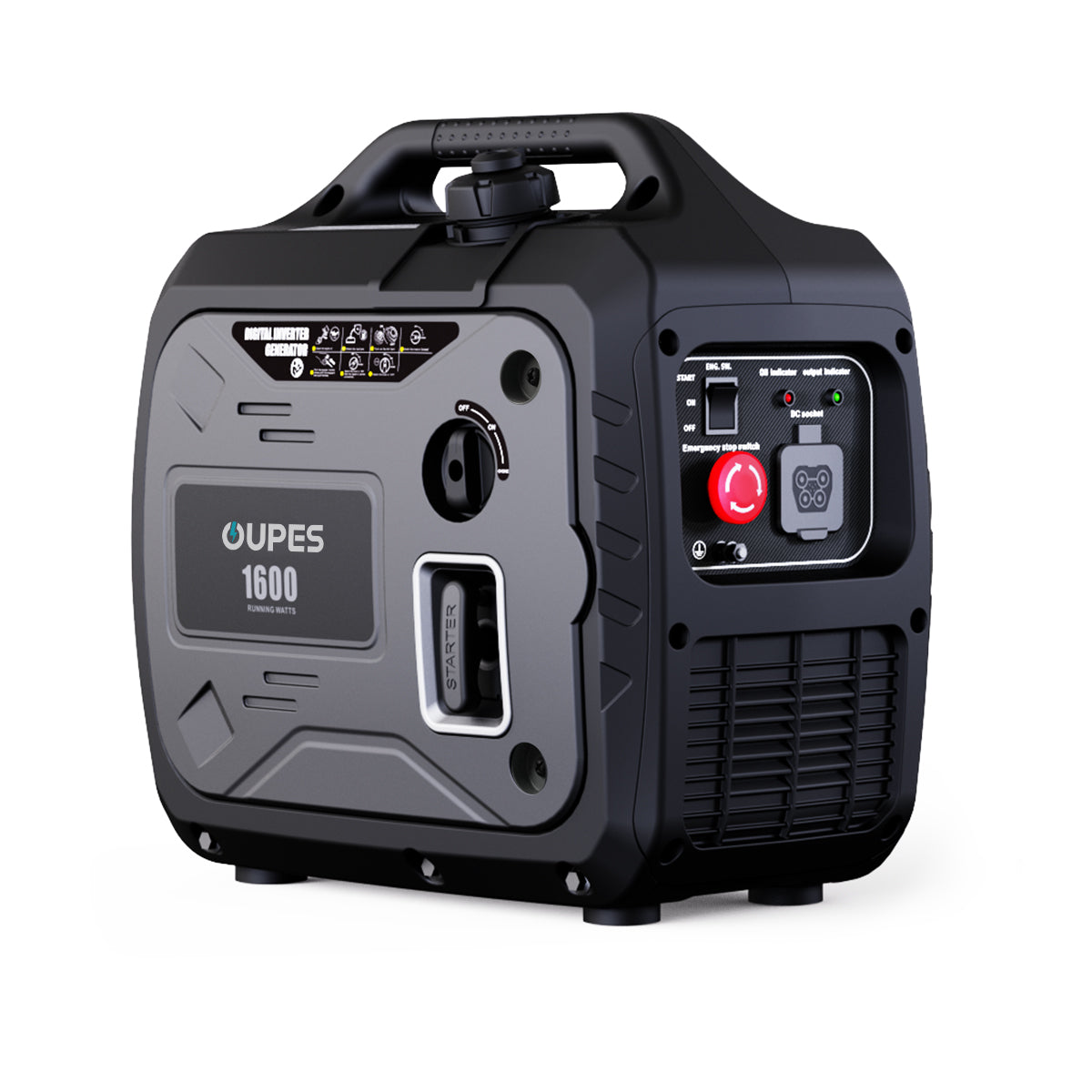
Fuel Generators
Gasoline or propane generators can provide high power output but require fuel storage and outdoor operation due to exhaust emissions.
Home Battery Systems
Installed battery systems store electricity and provide automatic backup when the grid fails. These systems often require professional installation.
Portable Power Stations
Portable battery-based power stations offer flexible backup power without installation. Because they produce no emissions, they can be safely used indoors.
Portable Solar Generators for Emergency Power
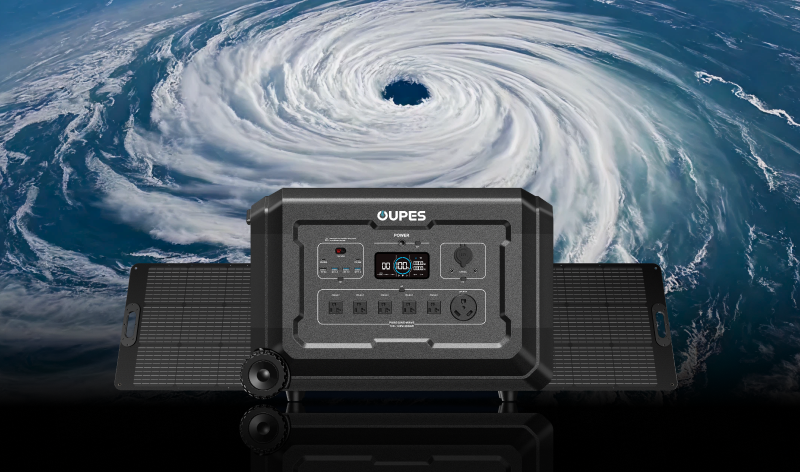
Portable solar generators combine battery storage with solar charging capability. During daylight hours, solar panels can recharge the system and extend available power during prolonged outages.
This renewable energy option is particularly useful when storms disrupt fuel supply chains or when outages last several days.
Solar-powered systems can keep essential appliances running without relying on gasoline or diesel.
Portable Home Backup Solutions
Portable energy storage systems have become a practical solution for households preparing for hurricane outages. These systems store electricity in high-capacity batteries and can power essential appliances when grid electricity is unavailable.
The OUPES Mega series offers several portable power stations designed for home backup power.
Mega 1
With 1024Wh capacity and 2000W output, this system is suitable for powering small electronics, lighting, and communication devices.
Mega 2
The 2048Wh capacity allows this model to support essential appliances such as refrigerators and multiple electronics simultaneously.
Mega 3
Offering 3072Wh capacity and higher output, this model provides longer backup duration during extended outages.
Mega 5
With 5040Wh capacity and 4000W output, this system can power several appliances at once and supports expandable battery options for extended backup needs.
Common Appliances to Prioritize During Power Outages
| Appliance | Average Power Use | Purpose During Outage |
|---|---|---|
| Refrigerator | 150–300W | Preserve food and medication |
| LED Lights | 5–15W | Nighttime visibility |
| Phone Charger | 10–20W | Emergency communication |
| Internet Router | 10–20W | Information access |
| Laptop | 50–100W | Work and updates |
Prioritizing essential devices helps extend available power during outages.
Emergency Power Preparation Tips
Charge Backup Systems Before Storms
Ensure all portable power stations are fully charged before the hurricane arrives.
Reduce Unnecessary Electricity Use
Limiting power consumption can extend battery runtime.
Prepare Solar Charging Options
Solar panels can help recharge batteries if outages last multiple days.
Keep Emergency Supplies Ready
Flashlights, batteries, and portable radios should be part of every hurricane preparedness kit.
Frequently Asked Questions
How long do hurricane power outages usually last?
Outages can last from several hours to multiple days depending on storm severity and infrastructure damage.
Can portable power stations run refrigerators?
Many mid-sized and large systems can support refrigerators during outages.
Are solar generators useful during hurricanes?
Yes. Solar charging can help recharge batteries during extended outages.
Are portable power stations safe indoors?
Yes. Unlike fuel generators, battery power stations produce no emissions.
What appliances should be prioritized during outages?
Refrigerators, lighting, communication devices, and medical equipment should be prioritized.
How can households prepare for hurricane-related power outages?
Preparing backup power systems and emergency supplies before storms arrive can help maintain safety and comfort.