




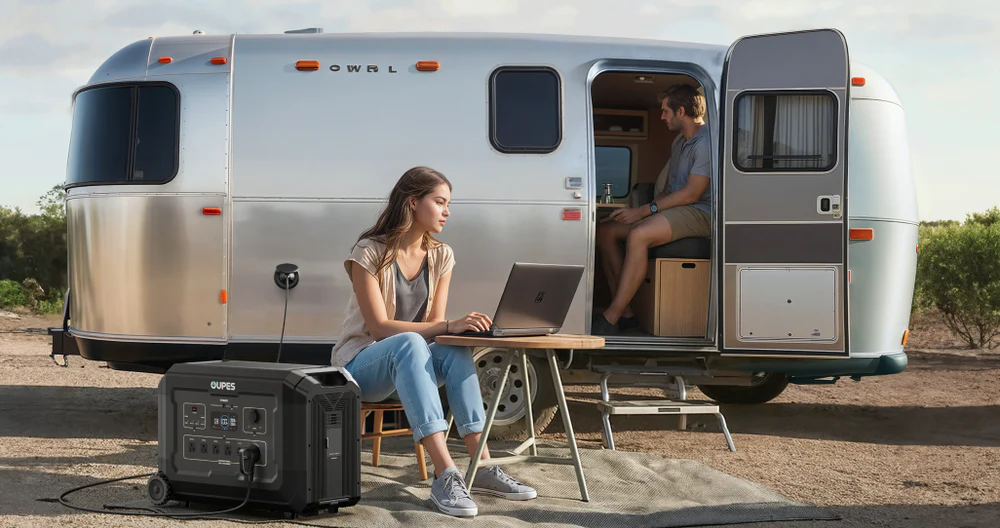
Traveling in an RV offers freedom, flexibility, and the opportunity to explore remote destinations. However, one of the biggest challenges for RV travelers is access to reliable electricity. When you are far from campgrounds with electrical hookups, maintaining power for appliances, lighting, and electronics becomes essential.
This is where RV electric generators play an important role. These power systems provide electricity for your RV when grid power is unavailable, allowing you to enjoy the comfort of modern amenities even while traveling off-grid.
Understanding why RV generators are useful—and how they improve travel experiences—can help you prepare for a more comfortable and reliable RV trip.
Table of Contents
- What Is an RV Electric Generator?
- Why Reliable Power Is Important During RV Trips
- Key Advantages of Using RV Electric Generators
- Common RV Appliances That Require Electricity
- Supporting Off-Grid RV Travel
- How to Choose the Right RV Generator
- Frequently Asked Questions
What Is an RV Electric Generator?
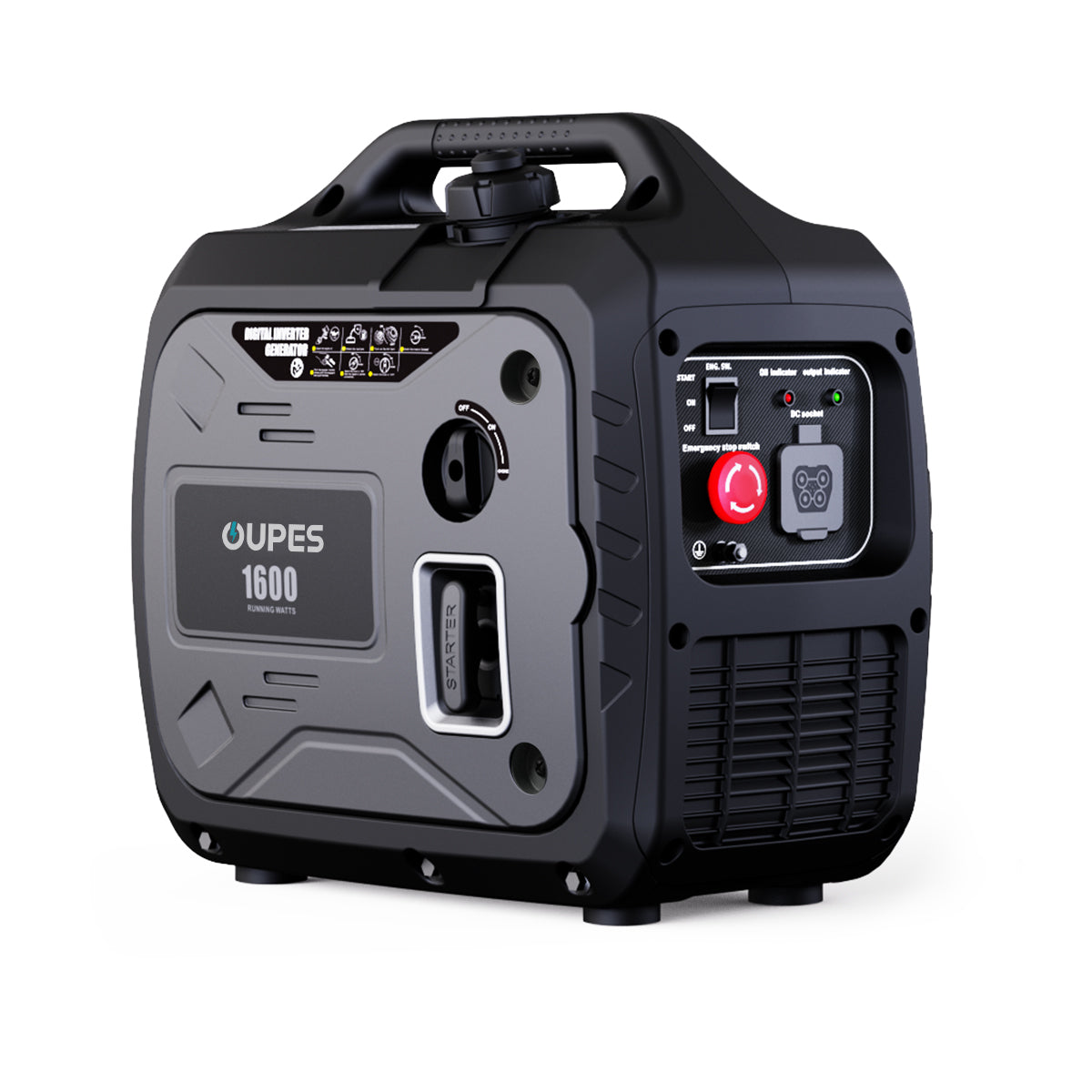
An RV electric generator is a portable or built-in power system designed to supply electricity to recreational vehicles when they are not connected to a campsite power source.
These systems generate or store electricity and provide AC outlets and charging ports to power appliances, electronics, and lighting inside the RV.
RV generators are commonly used for camping trips, road travel, and off-grid adventures where traditional electricity is unavailable.
Why Reliable Power Is Important During RV Trips
Modern RVs are equipped with many electrical systems that improve comfort and convenience while traveling. Without electricity, essential RV systems may stop working.
Electricity supports important functions such as lighting, climate control, cooking appliances, and communication devices. During long road trips, reliable power ensures travelers can stay comfortable and connected.
Having an independent power source also prevents RV batteries from draining quickly when running appliances without hookups. If power runs out completely, basic RV systems like water pumps and control panels may stop functioning.
Key Advantages of Using RV Electric Generators
Power Anywhere During Your Trip
One of the biggest advantages of RV generators is the ability to travel without relying on campground power connections. A generator allows travelers to camp in remote areas while still having electricity for essential devices.
Operate RV Appliances
Generators provide enough power to run appliances such as refrigerators, lighting, and kitchen equipment, making RV living more comfortable while traveling.
Charge Electronics and Devices
Phones, laptops, cameras, and navigation devices are essential tools during road trips. Portable power systems allow travelers to keep these devices charged while on the move.
Support Longer Trips
Without a backup power source, RV batteries may quickly drain when running appliances. Generators help recharge batteries and extend travel time without needing campground hookups.
Enable Comfortable Off-Grid Camping
Many RV travelers enjoy boondocking—camping in remote areas without utilities. Reliable power systems make this type of travel possible while maintaining modern comforts.
Common RV Appliances That Require Electricity
| Appliance | Typical Power Use | Purpose During Travel |
|---|---|---|
| Refrigerator | 150–300W | Keep food fresh |
| LED Lighting | 5–20W | Nighttime visibility |
| Laptop or Tablet | 50–100W | Work or entertainment |
| Microwave | 800–1200W | Cooking meals |
| Air Conditioner | 1500W+ | Cooling inside the RV |
Because many RV appliances require electricity, having a reliable generator or portable power source is important for maintaining comfort during long trips.
Supporting Off-Grid RV Travel
Off-grid RV travel has become increasingly popular among travelers who want to explore remote landscapes and avoid crowded campgrounds. However, off-grid camping often means there are no electrical hookups available.
Portable generators or power stations provide a practical solution by allowing travelers to power their RV systems independently. With the right power setup, RV owners can enjoy extended trips while maintaining access to essential electricity.
This flexibility expands travel options and allows campers to stay in locations that might otherwise be inaccessible without reliable power.
How to Choose the Right RV Generator
Choosing the right RV generator depends on several factors.
Power Output
The generator should provide enough wattage to support your most important appliances.
Noise Level
Quieter generators are better suited for campgrounds and outdoor environments.
Portability
Lightweight systems are easier to transport and store inside an RV.
Fuel or Charging Options
Some generators use gasoline or propane, while others rely on rechargeable battery systems that can be charged with solar panels.
Understanding your travel style and electricity needs will help determine the best power solution for your RV trip.
Frequently Asked Questions
Do you need a generator for RV camping?
A generator is not always required, but it provides reliable electricity when campground power hookups are unavailable.
Can RV generators run air conditioners?
Some high-capacity generators can power RV air conditioners depending on their wattage output.
Are portable generators better for RV trips?
Portable generators are popular because they are flexible, easy to transport, and suitable for many camping situations.
What appliances can RV generators power?
Generators can power lights, refrigerators, microwaves, laptops, and other electronics commonly used during travel.
How much power does an RV need?
Power requirements vary depending on appliances, but many RV setups require between 2000 and 4000 watts.
Can RV generators be used for emergency home power?
Yes. Many portable generators can also provide backup power for homes during outages.