


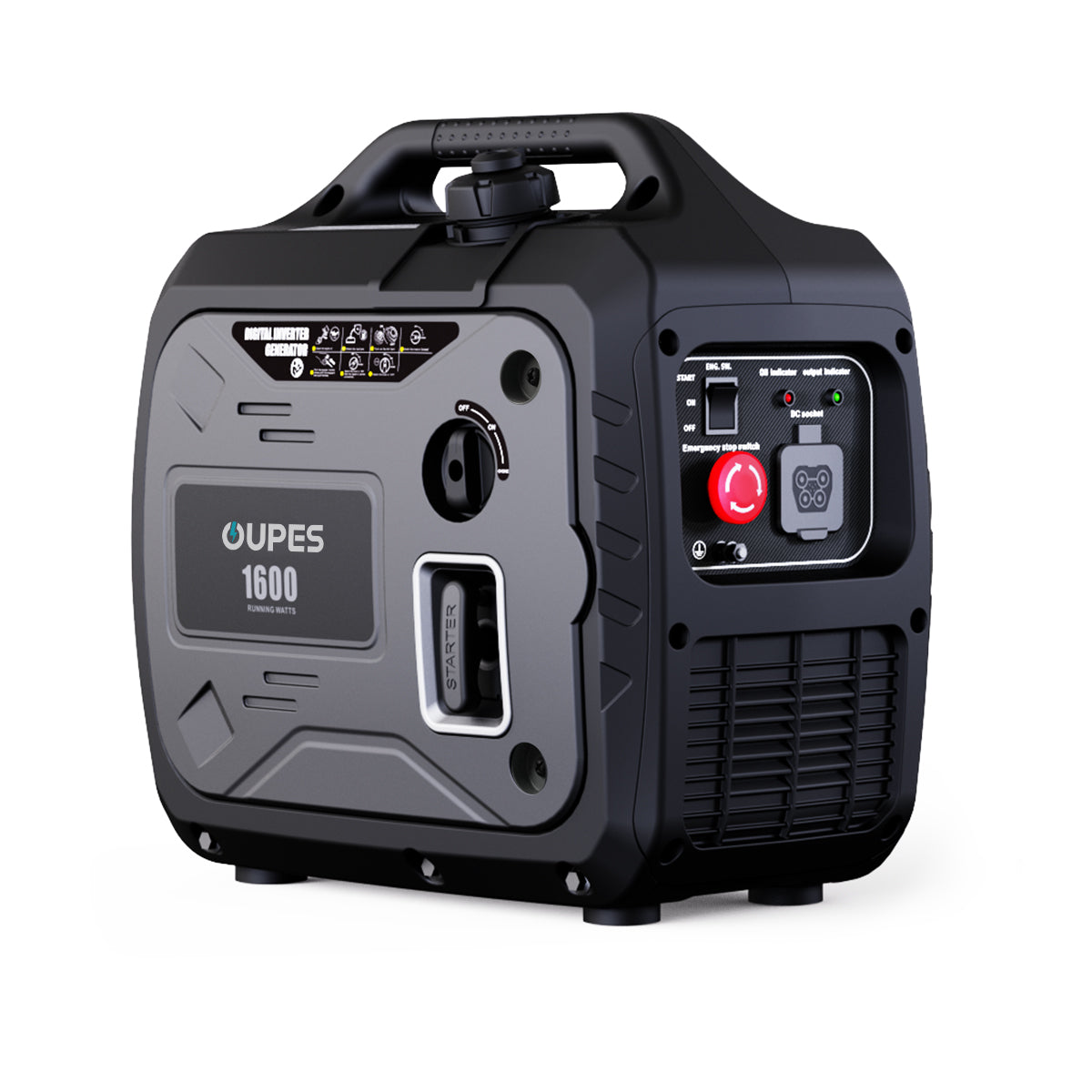


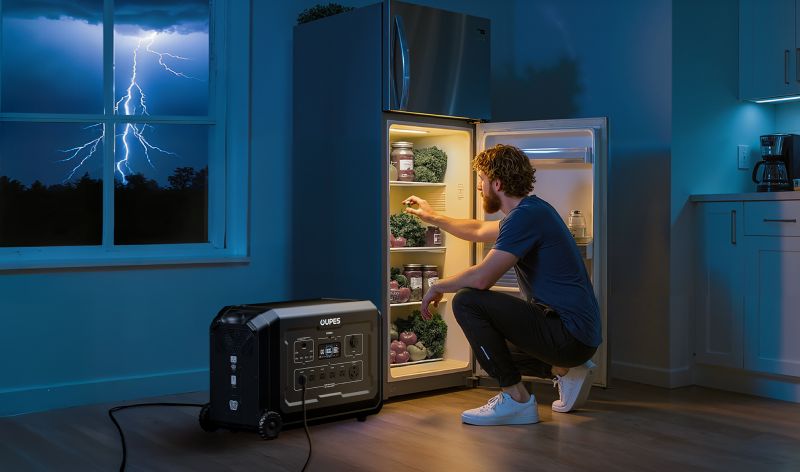
Winter blizzards can bring heavy snow, ice, and high winds, causing widespread power outages. Being prepared can prevent injuries, hypothermia, and property damage. Portable solar generators, also known as portable power stations, are increasingly relied upon for safe, clean, and reliable backup power. Brands like OUPES offer systems capable of running essential appliances and devices during extended outages. This guide provides detailed strategies for preparing your home, family, and vehicles before a blizzard strikes.
Understanding Blizzard Risks
Blizzards combine heavy snowfall, strong winds, and low temperatures. According to the National Weather Service, a blizzard is defined as sustained winds over 35 mph with snow reducing visibility to less than 1/4 mile for at least three hours.
Risks to Consider
- Extended power outages due to downed lines.
- Blocked roads and stranded vehicles.
- Frozen pipes and water supply interruptions.
- Hypothermia and frostbite from low indoor temperatures.
Essential Supplies to Stock
Emergency Kits
Prepare a kit including blankets, warm clothing, first aid supplies, flashlights, batteries, and non-perishable foods. Include a reliable battery-powered or solar-powered generator for critical devices.
Recommended Supplies Table
| Supply Category | Items | Recommended Quantity |
|---|---|---|
| Food | Canned goods, dry snacks, ready-to-eat meals | 3–5 days per person |
| Water | Bottled water, water purification tablets | 1 gallon per person per day |
| Power | Portable battery generator, spare batteries, solar charger | 1 generator + 2–3 solar panels |
| Warmth | Blankets, sleeping bags, thermal clothing | 2 per person |
| Lighting | LED lanterns, flashlights, headlamps | 1–2 per room |
Heating Solutions During Outages
Safe Indoor Heating
Battery-powered heaters or small electric space heaters compatible with portable power stations can provide warmth without the risks of gas or kerosene heaters.
Heat Conservation Techniques
- Seal off unused rooms.
- Use insulated curtains and draft stoppers.
- Layer clothing and use thermal blankets.
Lighting and Communication
Lighting Options
Rechargeable LED lanterns and flashlights powered by solar generators provide reliable lighting throughout the outage.
Communication Tools
Keep smartphones, tablets, and battery-powered radios charged. OUPES portable generators can recharge multiple devices simultaneously, maintaining connectivity and access to weather updates.
Food and Water Management
Food Safety
Keep refrigerator and freezer doors closed. A full freezer retains cold for up to 48 hours, a half-full freezer for 24 hours. Portable power stations can keep small refrigeration units operational.
Water Supply
Store extra bottled water and have purification options. If your water supply relies on an electric pump, a portable battery generator can maintain access.
Using Portable Battery Generators
Modern portable power stations provide clean, quiet, and safe electricity indoors, ideal for blizzard situations. Unlike gasoline generators, they pose no carbon monoxide risk.
Powering Devices Table
| Device | Typical Wattage | Recommended Battery Capacity |
|---|---|---|
| LED Lights | 10–50W | 100–500Wh |
| Mini Fridge | 100–200W | 500–1,500Wh |
| Small Electric Heater | 400–600W | 1,000–2,500Wh |
| Phone/Tablet Charging | 10–60W | 50–200Wh |
Solar Integration
Connecting solar panels allows partial or full recharging during daylight, extending generator runtime. Expandable systems like OUPES can handle higher solar input rates for faster recovery.
Vehicle and Transportation Preparation
Winter Emergency Kit
Keep blankets, food, water, a first aid kit, and a portable power station in your vehicle in case roads become impassable.
Fuel and Maintenance
Ensure fuel tanks are full, and tires are in good condition. Cold temperatures can reduce battery efficiency; a portable generator can power essential car devices if needed.
Creating an Emergency Plan
Family Communication
Establish a plan for contacting family members. Battery generators can ensure devices remain operational to communicate updates.
Power Prioritization
Decide which devices must remain powered during an outage (heating, refrigeration, communication) and allocate generator usage accordingly.
Practice Drills
Conduct practice outages to test generator load capacity and ensure all family members are familiar with safety procedures.
FAQ
1. How long can a portable battery generator power essential devices?
Runtime depends on capacity and load. Systems 2,000–5,000Wh can power lights, small heaters, and fridges for several hours to multiple days.
2. Can I use a battery generator indoors safely?
Yes, battery-powered solar generators are safe indoors and produce no carbon monoxide, unlike gasoline generators.
3. How do I extend generator runtime during a blizzard?
Use solar panels to recharge during daylight, reduce non-essential device use, and prioritize essential appliances.
4. What should I include in a winter blizzard emergency kit?
Warm clothing, blankets, food, water, first aid, flashlights, batteries, and a portable power station are recommended.
5. Are OUPES generators suitable for winter blizzards?
Yes, OUPES provides high-capacity, expandable portable generators capable of powering critical devices during extended winter outages.