


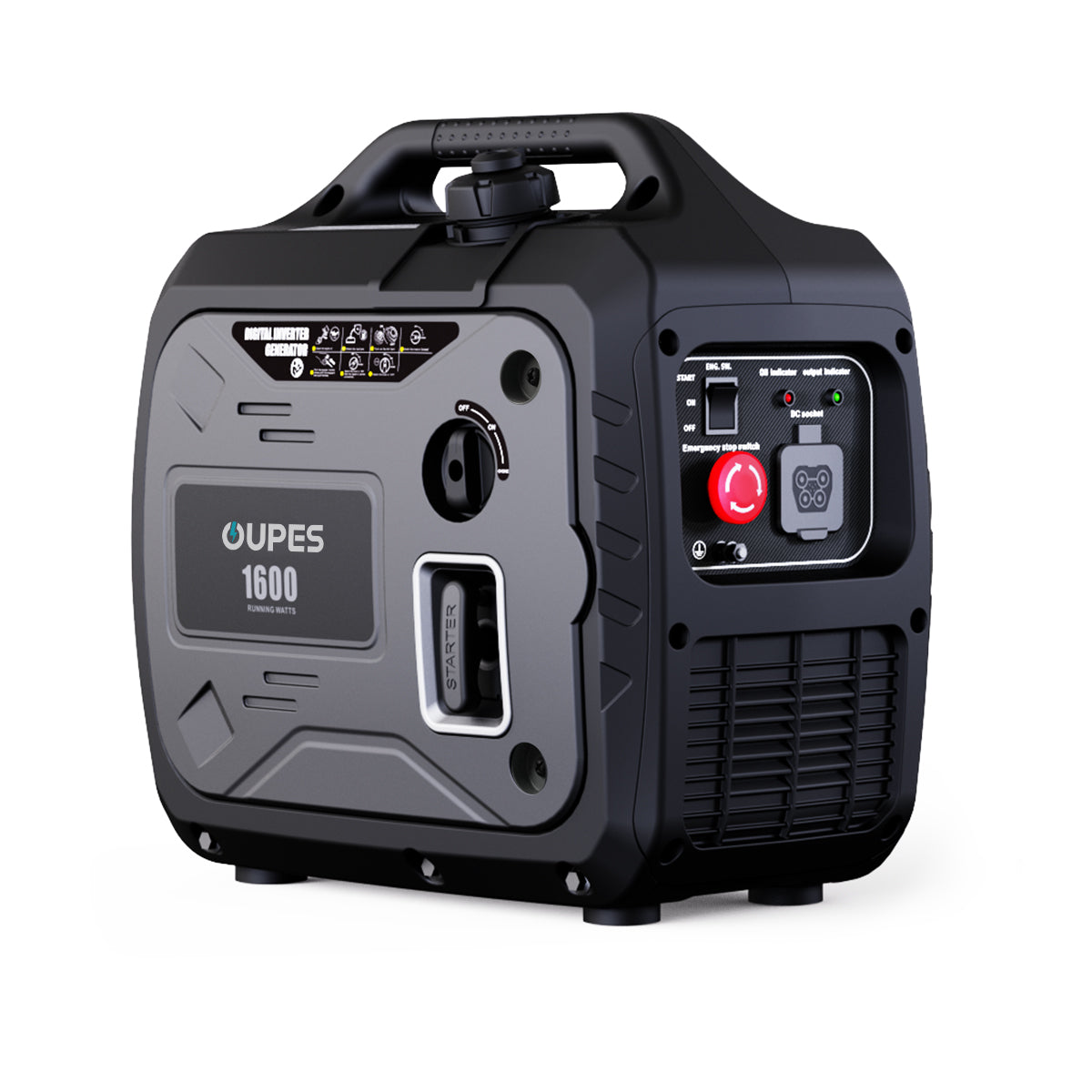


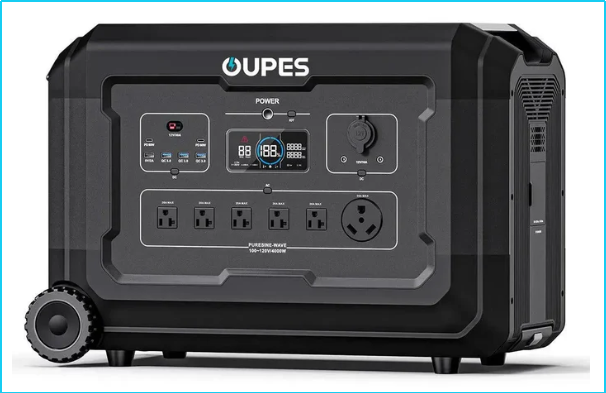
A snowstorm can arrive faster and last longer than expected. Heavy snowfall, freezing temperatures, and strong winds can quickly disrupt power, transportation, and daily life. This guide is designed to help you respond calmly and effectively to a snowstorm—before it starts, while it’s happening, and after it ends—so you can protect your family, your home, and your essential power needs.
What Is a Snowstorm and Why Is It Dangerous?
A snowstorm is a severe winter weather event characterized by heavy snowfall, freezing temperatures, and often strong winds. When snow accumulates quickly, it can overwhelm infrastructure, block roads, and strain power systems.
Why Snowstorms Are Especially Disruptive
- Ice and snow damage power lines and transformers
- Road closures delay emergency services and supply deliveries
- Cold exposure increases health risks indoors and outdoors
Unlike short weather events, snowstorms often create multi-day disruptions, making preparation essential.
Common Risks During a Snowstorm
1. Extended Power Outages
Snow-laden branches and ice buildup frequently cause power lines to fail. Outages can last hours—or several days.
2. Loss of Heating
Many home heating systems rely on electricity. Without power, indoor temperatures can drop dangerously fast.
3. Food Spoilage
Refrigerators and freezers stop working during outages, leading to food waste and safety concerns.
4. Limited Communication
Phones, internet routers, and radios need power. Losing communication can increase stress and delay help.
How to Prepare Before a Snowstorm Arrives
Monitor Weather Alerts Early
Pay close attention to local forecasts and warnings. Early preparation gives you flexibility and reduces last-minute risks.
Stock Essential Supplies
- Non-perishable food for 3–7 days
- Drinking water (1 gallon per person per day)
- Warm clothing, blankets, and sleeping bags
- Flashlights and emergency lighting
Prepare Your Home
- Seal windows and doors to prevent heat loss
- Insulate exposed water pipes
- Clear snow-prone areas around entrances
Plan for Power Loss
A snowstorm almost always increases the risk of power outages. Preparing a reliable backup power solution is one of the most important steps.
What to Do During a Snowstorm
Stay Indoors Whenever Possible
Avoid unnecessary travel. Poor visibility and icy roads significantly increase accident risk.
Conserve Heat
- Close doors to unused rooms
- Layer clothing instead of relying on high heating loads
- Use blankets to retain warmth
Manage Power Carefully
If the power goes out, prioritize essential devices and avoid unnecessary electrical loads.
Stay Informed
Keep at least one device charged to receive weather updates and emergency information.
Dealing with Power Outages in a Snowstorm
Power outages are the most common and stressful part of snowstorms. Knowing what to power—and for how long—makes a critical difference.
Essential Devices to Prioritize
- Refrigerator and freezer
- Internet router and phone chargers
- Medical equipment
- Heating system controls or circulation fans
Without backup power, even a short outage can quickly turn into a safety issue during freezing temperatures.
Using Portable Power Stations During Snowstorms
Portable power stations provide clean, quiet, and reliable electricity during winter emergencies. They are especially useful when fuel delivery is impossible or outdoor generators are unsafe to operate.
Snowstorm-Specific Use Scenarios
- Keeping food fresh during multi-day outages
- Powering lighting and communication devices
- Supporting medical or mobility equipment
- Running small heaters intermittently
Why Battery Power Works Well in Winter
- No fumes or ventilation requirements
- Instant startup during outages
- Safe for indoor use
Choosing the Right OUPES Power Station
Snowstorm severity and outage duration vary widely. Choosing the right power station depends on how long you want to remain comfortable and self-sufficient.
| Model | Battery Capacity | Output Power | Snowstorm Use Case | Estimated Backup Time* |
|---|---|---|---|---|
| OUPES Mega 1 | 1024Wh | 2000W | Short outages, core essentials | 8–12 hours |
| OUPES Mega 2 | 2048Wh | 2500W | 1–2 day snowstorms | 1–2 days |
| OUPES Mega 3 | 3072Wh | 3600W | Extended outages, partial heating | 2–3 days |
| OUPES Mega 5 | 5040Wh | 4000W | Severe snowstorms, whole-home essentials | 3–5 days+ |
*Actual backup time varies based on usage and environmental conditions.
Key Winter Selection Factors
- Expected outage duration
- Number of essential devices
- Expandable capacity needs
- Recharge speed once power returns
What to Do After the Snowstorm Passes
Inspect Your Home Safely
- Check for frozen or burst pipes
- Inspect roofs and exterior structures
- Clear snow from vents and exits
Restore Power Gradually
When grid power returns, reconnect appliances slowly to avoid overloading circuits.
Recharge and Restock
Recharge your power station and replenish emergency supplies immediately to prepare for the next event.
Frequently Asked Questions
1. How long can a snowstorm power outage last?
Outages can last from a few hours to several days, depending on damage and response time.
2. Is it safe to use a power station indoors during a snowstorm?
Yes. Battery-based power stations are designed for safe indoor operation.
3. Can a power station run a heater?
Many models can support compatible electric heaters within rated output limits.
4. How much battery capacity do I need for winter outages?
For short outages, around 1000Wh may suffice. Multi-day events usually require 3000Wh or more.
5. Will cold temperatures affect battery performance?
Cold can reduce efficiency slightly, so indoor placement is recommended.
6. Should I keep my power station fully charged in winter?
Yes. Keeping it charged ensures immediate readiness.
7. Can I charge devices while the power station is charging?
Yes, most power stations support pass-through charging.
8. What is the biggest snowstorm preparation mistake?
Waiting until the storm starts to plan for power loss.