




A Level 2 snowstorm emergency means winter weather conditions have escalated beyond inconvenience and are now actively dangerous. At this stage, travel is strongly discouraged, power interruptions become more likely, and daily routines can be disrupted for extended periods.
This guide explains what a Level 2 snowstorm emergency really means, how it differs from Level 1, and—most importantly—how you should prepare your home, family, and power needs to stay safe and comfortable.
What Is a Level 2 Snowstorm Emergency?
A Level 2 snowstorm emergency is declared when winter weather conditions pose a significant risk to public safety. Heavy snowfall, icy roads, reduced visibility, and falling temperatures make normal travel unsafe.
Key Characteristics of Level 2 Snowstorms
- Moderate to heavy snowfall
- Widespread icy or snow-covered roads
- Increased accident and injury risk
- Growing strain on power and utility systems
At Level 2, authorities strongly advise people to stay off the roads unless travel is absolutely necessary.
Level 2 vs Level 1: What Has Changed?
Understanding the escalation from Level 1 to Level 2 helps clarify why stronger preparation is required.
| Emergency Level | Travel Guidance | Weather Severity | Preparation Focus |
|---|---|---|---|
| Level 1 | Travel permitted with caution | Light to moderate | Early preparation |
| Level 2 | Travel strongly discouraged | Moderate to heavy | Active readiness and sheltering |
Level 2 signals that conditions are no longer just developing—they are actively hazardous.
Why Level 2 Snowstorms Are Serious
Level 2 emergencies are when disruptions begin affecting large numbers of households simultaneously.
Why Risks Increase Rapidly at Level 2
- Snow accumulates faster than it can be cleared
- Emergency response times increase
- Power restoration becomes slower and more complex
At this stage, preparation shifts from “getting ready” to “maintaining safety and comfort.”
What Conditions Should You Expect?
Transportation Disruptions
Roads may become impassable. Deliveries, public transportation, and services are often delayed or suspended.
Power and Utility Stress
Ice buildup and falling branches increase the likelihood of power outages, especially overnight.
Indoor Comfort Challenges
- Higher heating demand
- Colder indoor temperatures during outages
- Limited access to outside assistance
How Should You Prepare for a Level 2 Snowstorm?
Finalize All Essential Errands
At Level 2, you should avoid unnecessary trips. Complete grocery shopping, medication refills, and fuel needs immediately.
Strengthen Home Readiness
- Close off unused rooms to conserve heat
- Ensure emergency lighting is accessible
- Prepare warm clothing and blankets
Plan for Limited Mobility
Assume you may need to remain at home for 24–72 hours without outside assistance.
Power Outage Risks at Level 2
Power interruptions become a realistic scenario during Level 2 snowstorms.
Why Outages Are More Likely
- Snow and ice overload power lines
- Repair crews face unsafe travel conditions
- Multiple outages may occur simultaneously
Essential Loads to Prioritize
- Refrigerator and freezer
- Heating system controls
- Communication devices
- Medical equipment
Using Portable Power Stations During Level 2 Emergencies
At Level 2, portable power stations shift from convenience to necessity for many households.
Why Power Stations Are Especially Useful at Level 2
- Safe indoor operation during extreme cold
- No reliance on fuel deliveries
- Immediate power during outages
Common Level 2 Usage Scenarios
- Keeping food from spoiling
- Maintaining internet and communication
- Supporting heating system components
- Powering lights overnight
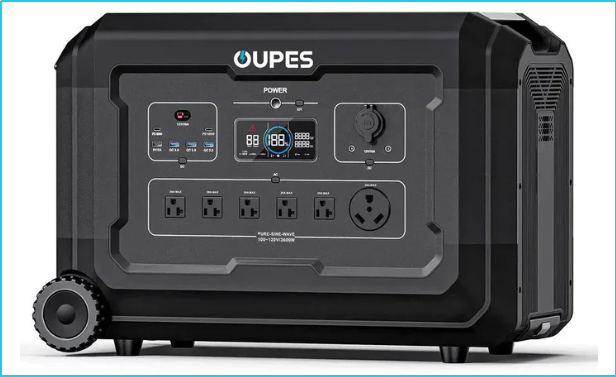
Choosing an OUPES Power Station for Level 2 Events
Level 2 snowstorms typically require more capacity than Level 1 due to longer outages and colder conditions.
| Model | Battery Capacity | Output Power | Recommended Level 2 Use | Estimated Runtime* |
|---|---|---|---|---|
| OUPES Mega 1 | 1024Wh | 2000W | Backup for devices only | 6–10 hours |
| OUPES Mega 2 | 2048Wh | 2500W | Short Level 2 outages | 1–2 days |
| OUPES Mega 3 | 3072Wh | 3600W | Typical Level 2 preparedness | 2–3 days |
| OUPES Mega 5 | 5040Wh | 4000W | High-risk or extended events | 3–5 days+ |
*Actual runtime depends on temperature, load, and usage habits.
How to Choose at Level 2
- Plan for at least 48 hours of self-sufficiency
- Account for increased heating-related loads
- Prepare for potential escalation to Level 3
What to Do After Level 2 Conditions Ease
Inspect Your Home Carefully
- Check for frozen or damaged pipes
- Clear snow from vents and exits
- Inspect roofs and exterior structures
Restore and Recharge
Once grid power stabilizes, recharge your power station and restock essential supplies.
Evaluate Your Readiness
Use your Level 2 experience to improve preparation for future winter events.
Frequently Asked Questions
1. Is Level 2 a serious snowstorm emergency?
Yes. Conditions are actively dangerous, and travel is strongly discouraged.
2. Should I stay home during Level 2?
Yes, unless travel is absolutely necessary.
3. Are power outages common at Level 2?
Yes, outages become increasingly likely.
4. How long can Level 2 conditions last?
From several hours to multiple days.
5. Is Level 2 worse than Level 1?
Yes. Level 2 indicates significantly higher risk and disruption.
6. Should I prepare as if power will go out?
Yes. Level 2 is when backup power planning becomes critical.
7. Can Level 2 escalate further?
Yes. Many severe snowstorms progress to Level 3.
8. What is the biggest Level 2 mistake?
Delaying preparation and underestimating outage duration.