




High wind warnings are more than just inconvenient weather alerts—they can disrupt daily life, damage property, and cause widespread power outages. Whether triggered by storms, cold fronts, or seasonal weather shifts, strong winds pose serious risks to homes, vehicles, and essential services. Preparing in advance allows you to protect your family, minimize damage, and maintain critical power when it matters most.
This guide walks you through practical, scenario-based steps to prepare before, during, and after a high wind warning, with special attention to power security and emergency readiness.
What Is a High Wind Warning and Why It Matters
A high wind warning is typically issued when sustained winds or gusts are strong enough to cause damage to structures, trees, and power lines. These conditions often result in:
- Fallen trees and flying debris
- Downed power lines and outages
- Structural damage to roofs, fences, and windows
- Hazardous driving conditions
Unlike brief gusts, high wind events can last hours or even days, increasing the likelihood of prolonged power interruptions and safety hazards.
Major Risks Caused by High Wind Events
Understanding the risks helps prioritize preparation efforts:
- Power outages: Winds are one of the leading causes of grid failure.
- Home damage: Loose roofing materials and unsecured objects become projectiles.
- Medical risks: Loss of power can impact medical devices and refrigeration for medications.
- Food spoilage: Extended outages can compromise refrigerators and freezers.
- Communication loss: WiFi routers and cell towers may go offline.
How to Prepare Before a High Wind Warning
Home and Property Preparation
Start by reducing potential hazards around your home:
- Secure or store outdoor furniture, grills, and decorations
- Trim weak or overhanging tree branches
- Inspect roof shingles, gutters, and siding
- Close and lock windows and doors tightly
- Park vehicles away from trees and utility poles
These actions significantly reduce the chance of wind-related damage and debris impact.
Power and Energy Preparation
Power outages are one of the most common consequences of high wind warnings. Preparing your energy backup in advance ensures continuity for essential needs.
- Fully charge backup power stations
- Identify critical devices (refrigerator, medical equipment, router, lights)
- Prepare extension cords rated for outdoor and indoor use
- Check battery health and output capacity
Unlike fuel-based solutions, portable power stations can be safely used indoors, making them ideal for wind-related emergencies.
Vehicle and Outdoor Equipment Preparation
Vehicles and outdoor equipment also require attention:
- Keep vehicle fuel tanks at least half full
- Remove rooftop cargo and bike racks
- Secure trailers and RV awnings
- Disconnect and store outdoor electrical tools
What to Do During a High Wind Warning
Once high winds begin, safety becomes the top priority.
- Stay indoors and away from windows
- Avoid using elevators during outages
- Unplug sensitive electronics to prevent surge damage
- Use battery-powered or backup lighting instead of candles
- Monitor weather updates using mobile devices or radios
If power is lost, prioritize essential loads and avoid overloading your backup power system.
What to Do After High Winds Pass
Even after winds subside, hazards may remain:
- Inspect your property for damage before going outdoors
- Avoid downed power lines and report them immediately
- Check food safety if power was out for extended periods
- Recharge backup power systems as soon as possible
Document damage with photos for insurance purposes and address urgent repairs promptly.
Reliable Backup Power for High Wind Emergencies
High wind events often knock out centralized power infrastructure. A reliable backup power solution allows you to maintain:
- Refrigeration for food and medicine
- Internet and communication devices
- Medical and mobility equipment
- Lighting and basic home comfort
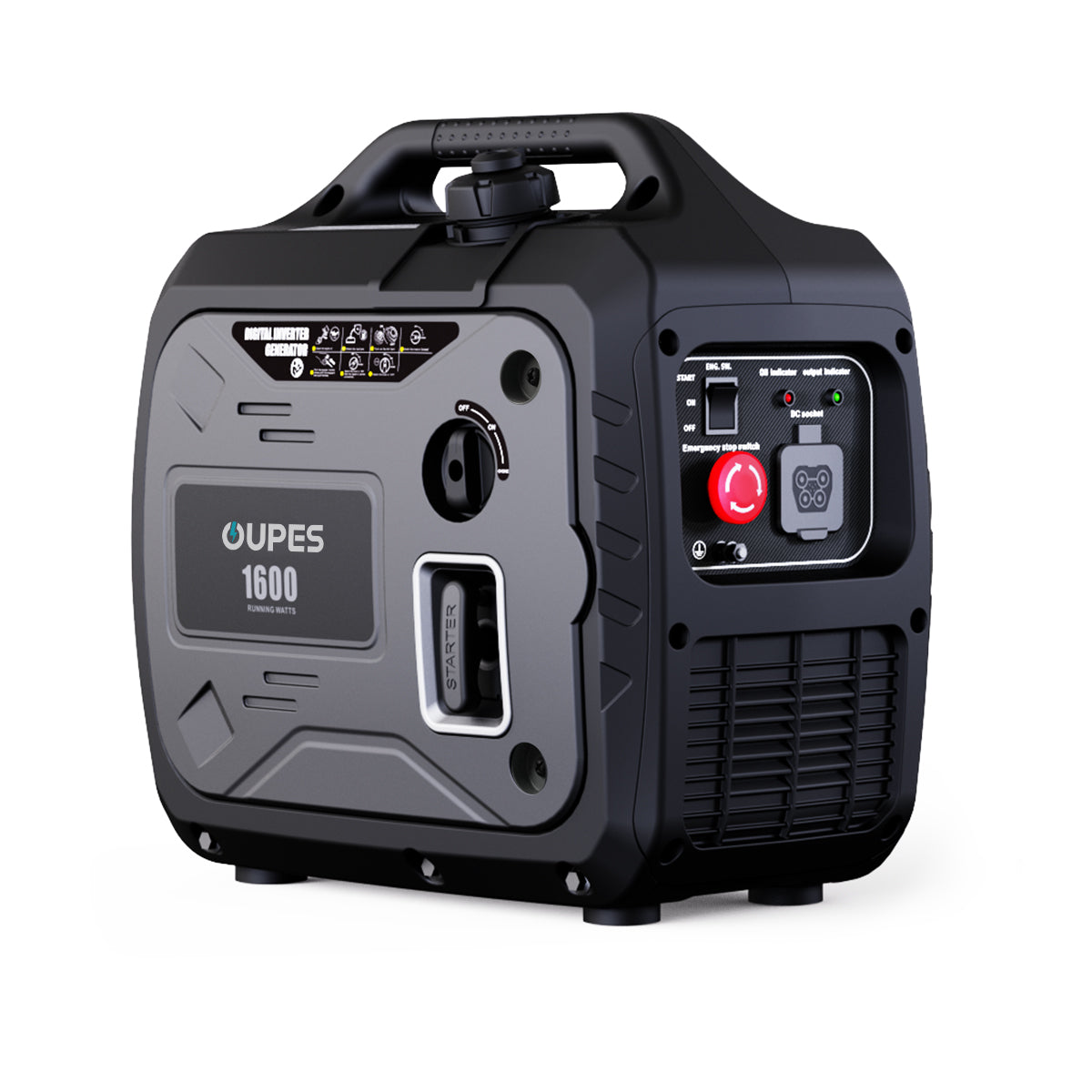
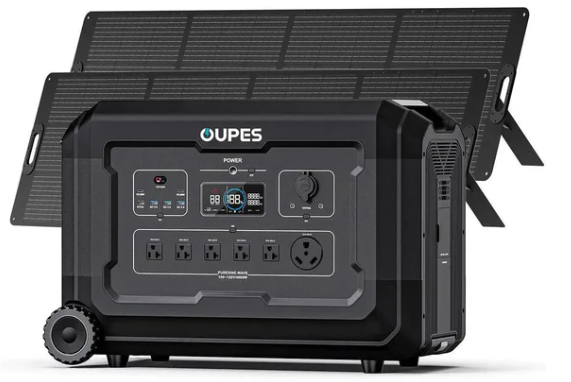
The OUPES MEGA series is designed to handle both short outages and extended emergency scenarios, offering scalable capacity, fast recharging, and safe indoor operation.
OUPES MEGA Series Backup Power Comparison
| Model | Battery Capacity | AC Output | Surge Power | Expandable Capacity | UPS/EPS | Recommended Use |
|---|---|---|---|---|---|---|
| MEGA 1 | 1024Wh | 2000W | 4500W | Up to 5120Wh | <20ms | Essential devices, short outages |
| MEGA 2 | 2048Wh | 2500W | 5400W | Up to 10.24kWh | <20ms | Family backup, refrigeration |
| MEGA 3 | 3072Wh | 3600W | 7000W | Up to 15.36kWh | <20ms | Whole-room backup, medical devices |
| MEGA 5 | 5040Wh | 4000W | 7000W | Up to 45.36kWh | <20ms | Extended outages, whole-home support |
Common Mistakes to Avoid
- Waiting until the warning is issued to prepare
- Ignoring power surge and load limits
- Relying on a single charging method
- Leaving outdoor items unsecured
- Failing to plan for multi-day outages
Frequently Asked Questions
1. How long do power outages usually last after high winds?
They can last from a few hours to several days, depending on infrastructure damage.
2. Can I use a portable power station indoors?
Yes. Battery-based power stations are safe for indoor use and produce no emissions.
3. What devices should I prioritize during an outage?
Refrigerators, medical devices, lighting, communication tools, and routers.
4. Is solar charging useful during high wind events?
Yes. After winds pass, solar charging helps restore power without relying on the grid.
5. How much capacity do I need for a family?
Typically 2000Wh or more, depending on appliances and outage duration.
6. Will high winds damage solar panels?
Properly mounted panels are designed to withstand strong winds.
7. Should I unplug appliances before a windstorm?
Yes. This helps prevent damage from power surges when electricity is restored.
8. How long do LFP batteries last?
Over 3500 charge cycles, making them suitable for long-term emergency preparedness.
Final Thoughts
High wind warnings are unpredictable, but preparation does not have to be. By securing your home, planning for power continuity, and choosing a reliable backup energy solution, you can face severe wind events with confidence. A well-prepared household not only reduces risk but also recovers faster when the storm passes.