




Understanding Lake Effect Snow Warnings
A lake effect snow warning is issued when heavy snowfall is expected due to cold air moving over warmer lake waters, resulting in narrow but intense snow bands. These events can develop rapidly, creating hazardous road conditions, power failures, and dangerously low visibility. Individuals living near the Great Lakes region—particularly downwind of Lakes Erie, Michigan, Ontario, and Superior—experience these weather systems most frequently.
Unlike typical snowstorms, lake effect snow is unpredictable and highly localized. One neighborhood can be buried under 3 feet of snow while another only miles away sees flurries. This variability makes preparation essential for safety, mobility, and home energy security.
How Lake Effect Snow Forms
Lake effect snow develops when cold, dry Arctic air travels over a large, unfrozen lake. As the air passes across the water, moisture is absorbed and lifted into the atmosphere, forming heavy snow bands that fall once the air reaches land. The temperature difference between the lake and the incoming air mass determines the severity of snowfall.
Key Conditions That Trigger Lake Effect Snow
- Lake temperature is significantly warmer than incoming cold air
- Wind direction carries moisture directly inland
- Widespread cloud formation and atmospheric instability
- Slow-moving air system that allows snowbands to persist
When these elements align, snowfall can reach several inches per hour, leading to rapid accumulation and difficult travel conditions.
How to Prepare Your Home Before the Snow Arrives
Home readiness is the most important step when responding to a lake effect snow warning. Strong winds, frozen infrastructure, and downed power lines can leave families stranded indoors for hours or days. Preparing early ensures warmth, food, communication, and backup energy.
Household Preparedness Checklist
| Item | Purpose |
|---|---|
| Insulated windows/curtains | Reduces heat loss and maintains indoor warmth |
| Non-perishable food supply (3–7 days) | Prevents shortages due to travel restrictions |
| Backup heating source | Ensures comfort in case of power outage |
| Flashlights + lanterns | Provides lighting if grid fails |
| Bottled water supply | Important if pipes freeze |
| Portable power station | Keeps devices, heaters, & appliances operational |
| Emergency medical items | Covers minor injuries when roads are blocked |
Having these essentials on hand helps maintain safety and stability when snowstorms limit movement or utility services.
Vehicle and Travel Safety Preparations
Driving during lake effect snow is extremely risky—visibility often drops to near zero within minutes. Roads can ice quickly, making traction unpredictable even with winter tires. If travel cannot be avoided, preparation is critical.
Winter Car Survival Kit
- Snow chains or winter tires
- Ice scraper and windshield fluid rated for subzero temperatures
- Blankets, gloves, hand warmers
- Backup power source for phone charging
- Shovel and traction sand
- Full tank of gas or power supply alternative
If local authorities issue a travel ban, avoid driving and shelter indoors until conditions improve.
How to Stay Safe During the Snow Event
Once snow begins, conditions may deteriorate quickly. Heavy accumulation can trap vehicles, freeze pipes, and take down overhead lines. Limiting outdoor exposure and maintaining adequate indoor heating is essential.
Best Practices During Lake Effect Snowfall
- Stay indoors unless absolutely necessary
- Keep faucets dripping slightly to prevent pipe freezing
- Use power efficiently to conserve stored energy
- Monitor weather/alerts via radio or charged mobile device
- Check on elderly neighbors or family members
A prepared household is significantly safer, more comfortable, and better equipped to weather multi-day storms.
Dealing With Power Outages and Energy Needs
Lake effect storms commonly overload electrical systems. Ice-laden branches snap lines, crews struggle to travel, and restoration can take time. Reliable backup power ensures uninterrupted heat, food preservation, communications, and lighting.
Why Backup Energy Matters
- Prevents food spoilage when refrigerators lose power
- Keeps medical devices powered for vulnerable family members
- Maintains heating systems during subzero temperatures
- Allows communication if towers weaken or grid collapses
Portable Power Solutions for Severe Winter Weather
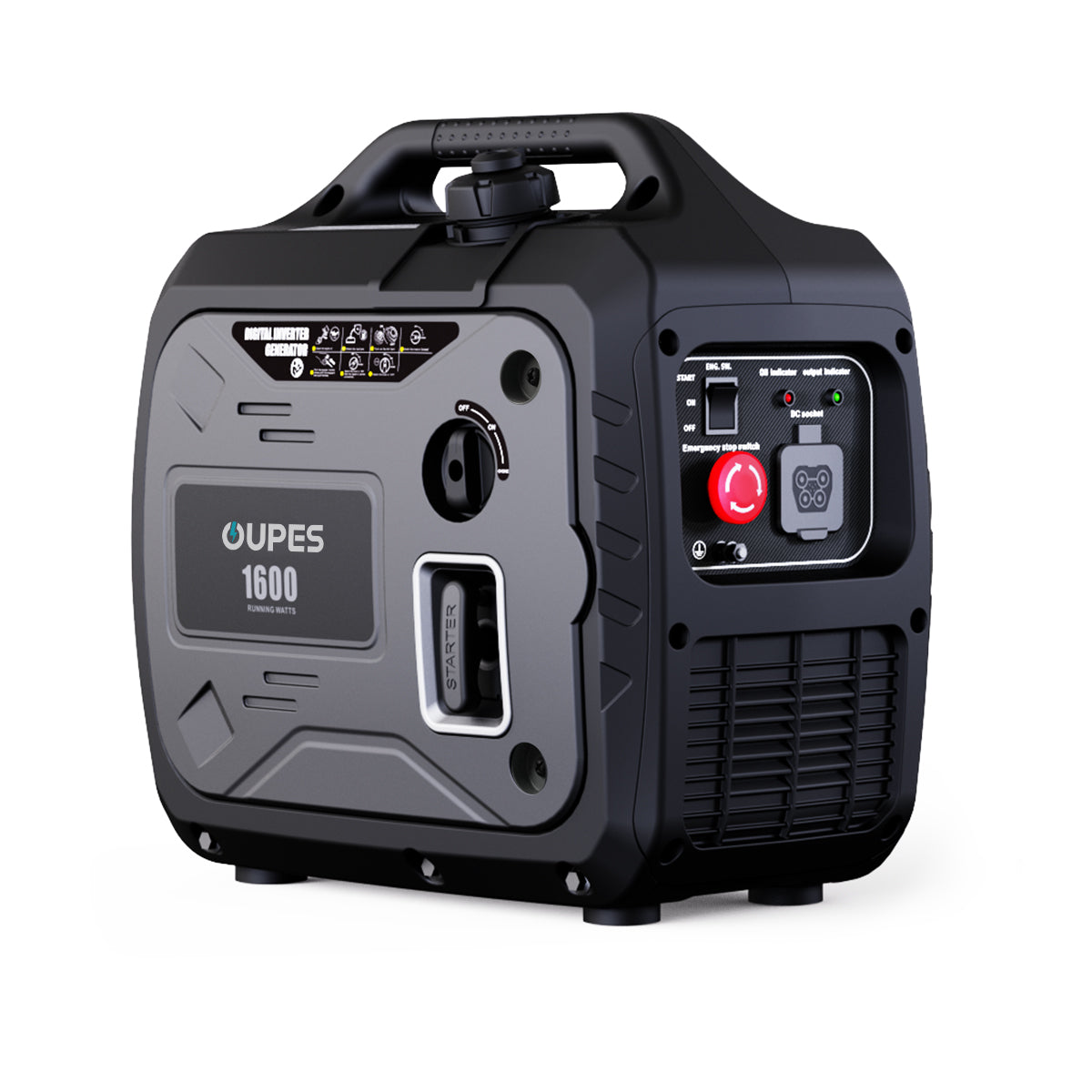
Portable power stations powered by solar input offer quiet, fume-free emergency energy ideal for indoor use. Unlike gas generators, portable power stations do not require fuel, making them especially useful during storms where access to gasoline is limited. These power stations can support lighting, space heaters, small kitchen appliances, charging electronics, and communication equipment.
| Model | Battery Capacity | Rated Output | Ideal Emergency Use |
|---|---|---|---|
| Mega 1 | 1,024Wh | 2,000W | Phones, radios, LED lights, small household appliances |
| Mega 2 | 2,048Wh | 2,500W | Refrigeration, electric blankets, communication equipment |
| Mega 3 | 3,072Wh | 3,600W | Heat lamps, induction cooking, medical devices |
| Mega 5 | 5,040Wh | 4,000W | Whole-home winter backup, extended outages |
With solar charging capability, portable stations remain a sustainable and renewable energy source throughout prolonged winter outages.
What to Do After the Snowstorm Passes
Once the storm ends, clearing snow safely prevents injury and property damage. Remove snow from roofs gradually to avoid collapse, shovel driveways in layers to reduce physical strain, and check ventilation systems for ice blockage.
- Inspect power lines and report damage without touching them
- Salt walkways and entrances to reduce slip risk
- Restock emergency food and power supplies for future events
Debriefing and strengthening your emergency setup after each storm helps increase resilience for future winters.
FAQ
- How fast can lake effect snow accumulate?
Several inches per hour during peak events. - Should I travel during a lake effect snow warning?
Avoid unless necessary—visibility may drop instantly. - How long should emergency supplies last?
Three to seven days is recommended. - Are portable power stations safe indoors?
Yes—no fumes, no gas, no ventilation required. - Can snowstorms damage rooftop solar?
Heavy accumulation reduces output; clear panels only when safe. - How do I keep pipes from freezing?
Insulate, maintain indoor heating, and allow faucet dripping. - Why are lake effect storms hard to predict?
Narrow snow bands shift quickly based on wind direction.