




Why Lithium-Ion Battery Care Matters
Lithium-ion batteries power nearly everything—portable power stations, solar systems, tools, electronics, and more. Their high energy density, long recharge cycles, and lightweight design make them the preferred energy storage option today. However, their lifespan and performance are heavily influenced by how they are used, charged, and stored.
With proper maintenance, lithium-ion batteries can deliver thousands of charge cycles. Without care, the same battery may lose capacity rapidly, fail to hold charge, or deliver less output over time. Whether used for daily power supply or emergency backup, understanding how to protect the battery ensures longer service life and better performance.
How Lithium-Ion Batteries Work
A lithium-ion battery stores energy by allowing lithium ions to move between the anode and cathode during charging and discharging. Over time, chemical reactions and temperature influence how freely ions move—which determines how much capacity the battery can still hold.
Basic Structure
- Anode: Stores lithium ions during charging
- Cathode: Releases ions during discharging
- Electrolyte: Medium for ion transport
- Separator: Prevents short circuiting between electrodes
Every recharge cycle causes microscopic wear to internal materials. A well-used and properly maintained battery degrades slowly. Poor charging habits accelerate this breakdown.
Factors That Affect Battery Lifespan
Several conditions impact how long a lithium battery maintains optimal capacity. Understanding these factors allows users to avoid unnecessary damage.
| Factor | Effect on Battery | Risk Level |
|---|---|---|
| Heat exposure | Speeds chemical breakdown | High |
| Cold exposure | Reduces charge efficiency | Medium |
| Overcharging | Causes permanent capacity loss | High |
| Deep discharge | Shortens cycle life significantly | High |
| High load output frequently | Accelerates wear | Medium |
| Improper long-term storage | Decreases total lifespan | High |
Charging Principles for Long-Term Health
Charging habits have the biggest influence on battery longevity. Incorrect charging shortens usability dramatically.
Optimal Charging Rules
- Keep battery charge between 20%–80% when possible.
- Unplug after full charge—avoid staying at 100% for long periods.
- Charge slowly when you don’t need fast recovery.
- Avoid dropping the battery below 10% regularly.
- Use recommended charging cables and ports.
Following these guidelines protects lithium-ion cells from chemical damage caused by stress at extreme charge levels.
Daily Use Best Practices
Daily behavior is just as important as proper charging. Consistent care extends lifespan significantly.
Tips for Everyday Operation
- Avoid running high-wattage appliances simultaneously unless necessary.
- Turn off unused output ports to reduce passive drain.
- Use energy-efficient devices when running from portable power.
- Keep ventilation clear during charging to manage temperature.
- Perform partial charges frequently instead of full drain cycles.
Long-Term Storage and Maintenance
If the battery will not be used for weeks or months, storage method plays a large role in preserving its chemistry.
Best Storage Practices
- Store at approximately 50%–60% charge.
- Place in a dry location, away from moisture and direct sunlight.
- Keep between 10°C–25°C (50°F–77°F) for ideal preservation.
- Recharge every 2–3 months to prevent deep discharge.
Temperature Management — The Key to Longevity
Temp control is the #1 factor in battery life. Lithium batteries dislike extreme heat and deep cold. Many failures occur because batteries are left in hot cars, outdoor sheds, or subzero conditions.
| Temperature Range | Performance Impact |
|---|---|
| -10°C to 0°C (14°F–32°F) | Reduced efficiency, slower charge |
| 10°C to 25°C (50°F–77°F) | Optimal for long-term use |
| 30°C–40°C (86°F–104°F) | Increases wear rate |
| Above 45°C (113°F+) | Risk of permanent damage |
Using insulation in winter and ventilation in summer helps maintain healthy internal temperature.
How to Maximize Performance Over Time
Performance tuning allows lithium-ion batteries to deliver reliable output throughout their usable life.
Ways to Preserve Output Capacity
- Enable eco/low-output mode when possible.
- Match appliance wattage to battery rating for best efficiency.
- Use solar recharging to reduce cycle wear from AC power.
- Update battery management firmware if available.
Lithium-Ion Power Solutions Designed for Longevity
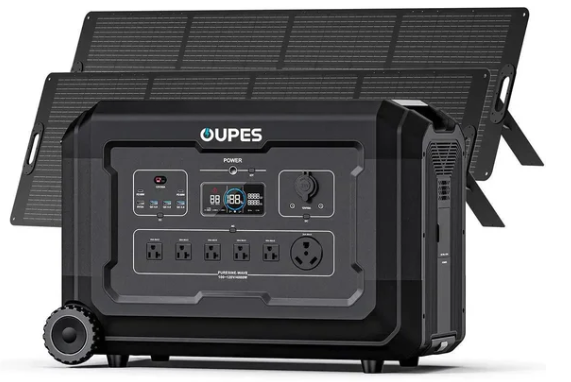
Our power stations are built with long-cycle lithium-ion technology for sustainable, safe, and reliable energy storage. Users benefit from strong output, multiple charging modes, solar compatibility, and advanced BMS protection that prevents overcharging, overheating, and deep discharge—extending battery lifespan naturally.
| Model | Battery Capacity | Output Power | Main Advantage |
|---|---|---|---|
| Mega 1 | 1,024Wh | 2,000W | Portable mobility + daily device support |
| Mega 2 | 2,048Wh | 2,500W | Medium-duty off-grid + high-efficiency charging |
| Mega 3 | 3,072Wh | 3,600W | Heavy loads, RV compatibility, solar integration |
| Mega 5 | 5,040Wh | 4,000W | Long-term home backup + resilience in outages |
Choosing the right model ensures consistent energy availability and maximized battery lifespan even under frequent use.
FAQ
- How many years can a lithium-ion battery last?
Typically 5–10 years with proper care. - Is it harmful to charge to 100% frequently?
Yes—keeping it near 80% is healthier for longevity. - Does cold weather damage lithium batteries?
Low temperatures reduce performance and efficiency temporarily. - What percentage should I store my battery at?
50–60% is ideal for long-term storage. - Can deep discharge permanently damage capacity?
Yes, repeated full depletion reduces cycle life significantly. - Is fast charging bad for battery health?
Occasional use is fine, but slow charging is better for longevity. - Does solar charging improve lifespan?
It reduces AC cycling demand, helping extend total usable life.