




Table of Contents
- Introduction
- Unique Challenges Renters Face During Emergencies
- Why Portable Power Supplies Are the Perfect Solution
- Types of Portable Power Supplies
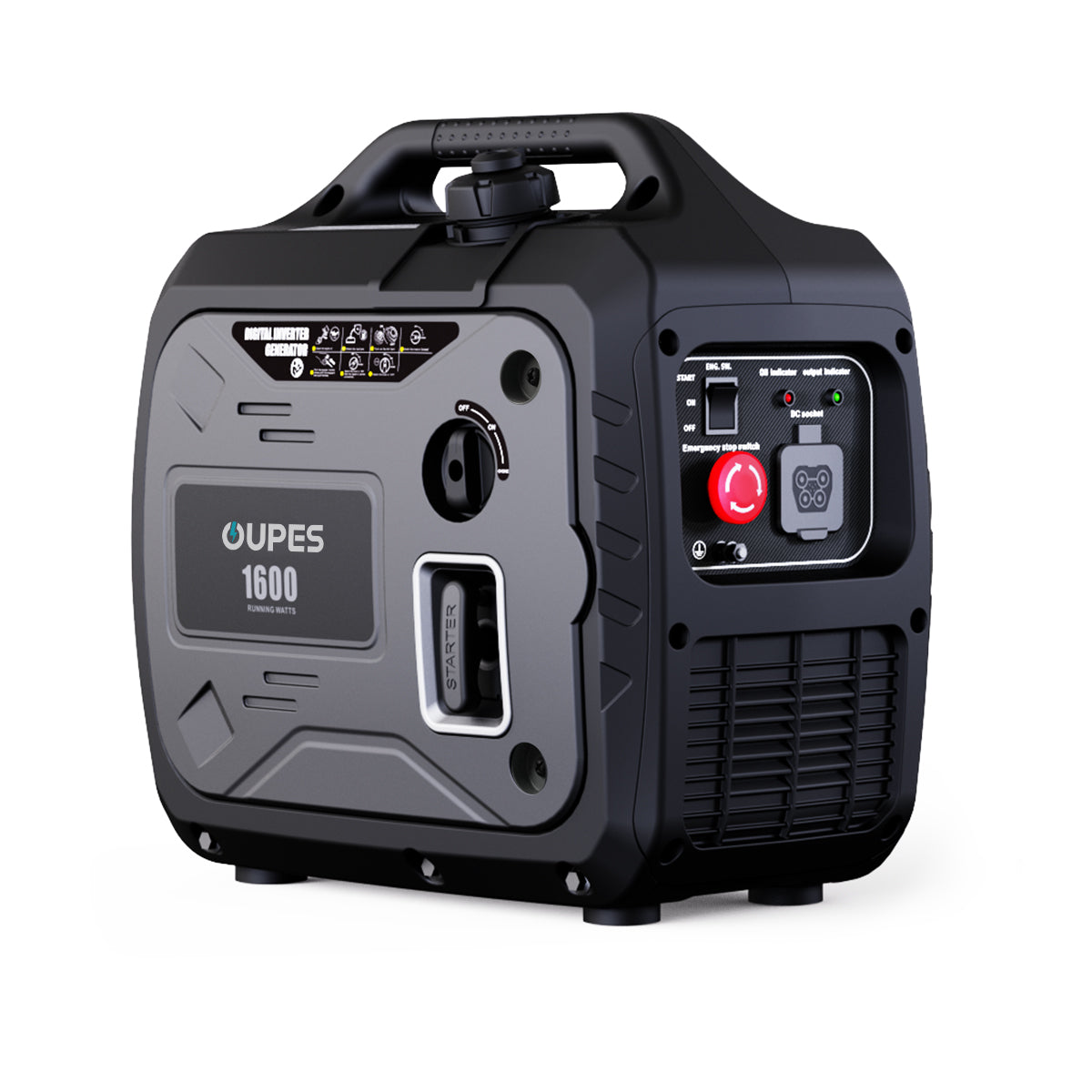
- Comparison: Portable Power Stations vs. Gas Generators
- Key Features To Look For in a Portable Power Supply
- How Renters Can Prepare for Power Emergencies
- How OUPES Supports Renters with Reliable Energy Solutions
- FAQ
Introduction
Power outages don’t discriminate—they affect homeowners and renters alike. But for renters, preparing for blackouts comes with extra challenges. You can’t permanently install generators, solar panels, or hardwired backup systems in most rental properties, yet you still need reliable power during emergencies.
This is where portable power supplies—especially modern solar generators and portable power stations—shine. Compact, quiet, and maintenance-free, these devices provide immediate, clean energy when you need it most, without requiring any structural modifications or fuel storage.
Unique Challenges Renters Face During Emergencies
1. Limited Installation Rights
Most rental agreements restrict modifications to electrical systems or property structures. This means renters can’t install fixed backup generators, wire solar systems into the home’s main grid, or modify breaker panels.
2. No Outdoor Space for Traditional Generators
Gas-powered generators must be used outdoors due to emissions and noise. However, many renters live in apartments or condos without balconies, garages, or yards—making conventional generators impractical and unsafe.
3. Dependence on the Building Grid
Renters typically rely on a shared building power system. When that grid fails, everyone goes dark at once, leaving individuals with limited control over their power situation.
4. Emergency Preparedness Limitations
Without storage space or control over infrastructure, renters often find it difficult to store fuel or install large-scale energy backup systems. This increases the need for flexible, portable, and easy-to-manage alternatives.
Why Portable Power Supplies Are the Perfect Solution
Portability and Independence
A portable power supply doesn’t require installation or landlord approval. It can be placed in any room, taken on trips, or even moved to a new home. It gives renters complete energy independence within a small footprint.
Silent and Safe Operation
Unlike fuel-based generators, portable solar units operate silently and produce no toxic fumes. This makes them ideal for apartments and small spaces where ventilation is limited.
Renewable and Sustainable
When paired with solar panels, a portable power station becomes a clean energy source, converting sunlight into usable power for essential devices. This approach aligns with modern sustainability goals while ensuring readiness for emergencies.
Versatility in Use
Portable systems can power a variety of household essentials—refrigerators, laptops, lights, medical devices, routers, and phones—keeping renters comfortable and connected during outages.
Types of Portable Power Supplies
1. Battery-Based Portable Power Stations
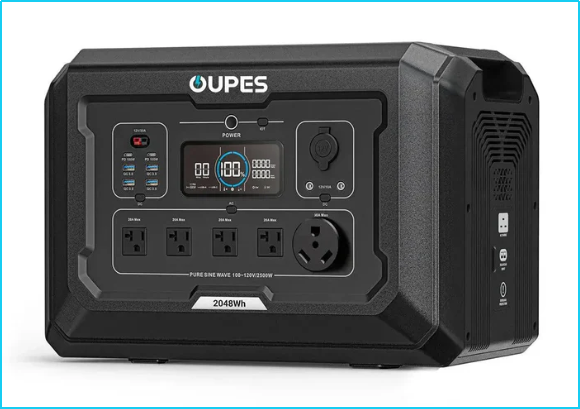
These all-in-one units combine a battery, inverter, and multiple output ports. They’re rechargeable via wall outlets, car chargers, or solar panels and can power devices for several hours or even days depending on capacity.
2. Solar Generators
A solar generator is essentially a power station paired with portable solar panels. It captures sunlight to recharge itself, making it a self-sustaining system ideal for renters who want renewable, off-grid capability.
3. Mini Backup Batteries
For renters in smaller apartments, compact battery banks (200–500Wh) provide backup for phones, routers, and laptops—helpful during short-term blackouts or storm alerts.
Comparison: Portable Power Stations vs. Gas Generators
| Feature | Gas Generator | Portable Power Station |
|---|---|---|
| Fuel Source | Gasoline/Diesel | Electricity/Solar |
| Indoor Use | Unsafe (emits CO₂ and fumes) | Completely safe |
| Noise Level | 60–90 dB (loud) | Silent |
| Maintenance | Frequent (fuel, oil, filters) | Minimal (plug-and-play) |
| Environmental Impact | High carbon footprint | Zero emissions |
| Usability for Renters | Not allowed indoors or balconies | Ideal for apartments |
| Long-Term Cost | High (fuel + maintenance) | Low (solar recharging is free) |
For renters, solar-powered portable stations are not just safer—they’re more practical. They work indoors, recharge easily, and can move with you when you relocate, making them the clear choice for flexible, sustainable living.
Key Features To Look For in a Portable Power Supply
1. Battery Capacity
Measured in watt-hours (Wh), this determines how long your devices can run. For renters, a 1000–2000Wh model usually provides enough power to keep essential electronics running during an outage.
2. Battery Type
Opt for LiFePO₄ batteries—they last up to 10 years and are safer than traditional lithium-ion cells thanks to improved thermal stability and cycle life.
3. Output Options
Look for models with multiple outlets—AC, DC, USB, and Type-C—to power a variety of devices simultaneously, from lights to routers.
4. Recharge Flexibility
Choose a model that supports AC, solar, and car recharging. Dual-input systems (AC + Solar) can refill the battery in 1–2 hours, ideal during prolonged outages.
5. Portability and Weight
Check weight and carrying handles. Compact designs make it easy to move around your apartment or take with you during evacuations.
6. Safety Systems
Ensure the device includes a Battery Management System (BMS) for overcharge, short circuit, and temperature protection.
How Renters Can Prepare for Power Emergencies
Step 1: Identify Essential Loads
List your critical devices—phones, Wi-Fi routers, lights, medical gear, and food storage. Add up their power ratings (in watts) to estimate your minimum backup need.
Step 2: Choose the Right Portable Power Supply
If you only need to power essentials for a few hours, 500–1000Wh is sufficient. For longer blackouts or multiple devices, go for 1500–2000Wh or higher.
Step 3: Add Solar Charging for Independence
Pair your power station with portable solar panels. Even a small 100–200W panel can keep your devices charged indefinitely during daylight hours.
Step 4: Store and Maintain Your Equipment
Keep your backup system charged to at least 80% and store it in a dry, cool area. Check it monthly and recharge fully every 3–6 months to preserve battery health.
Step 5: Stay Informed
Subscribe to local weather alerts and power company notifications so you can charge your power supply ahead of potential blackouts.
How OUPES Supports Renters with Reliable Energy Solutions
OUPES designs advanced solar generators and portable power stations built for flexibility and safety—making them ideal for renters. With high-efficiency solar charging, LiFePO₄ battery technology, and quiet operation, OUPES products empower users to stay connected and secure during emergencies without complex installations.
Their plug-and-play design means renters can enjoy reliable, clean energy anytime—whether at home, on the road, or during power disruptions.
FAQ
1. Can renters use portable power stations indoors?
Yes. Portable power stations are emission-free and completely safe for indoor use, unlike gas generators that produce carbon monoxide.
2. How long can a portable power station run appliances?
Runtime depends on capacity. A 1500Wh unit can run a 100W refrigerator for about 15 hours or charge phones and laptops for several days.
3. Are solar generators expensive?
The upfront cost can be higher than a fuel generator, but since solar energy is free and maintenance is minimal, the total lifetime cost is much lower.
4. Can I recharge a portable power station from a wall outlet?
Yes. Most models recharge via AC outlets, solar panels, or car adapters—giving you multiple recharging options.
5. Is it worth investing in a power supply if I rent?
Absolutely. Portable power stations don’t require installation, so you can take them with you when you move—making them a long-term, flexible investment in safety and comfort.