




Table of Contents
- Introduction
- The Importance of a Home Backup Power Plan
- Common Causes of Power Outages
- The Real Impact of Losing Power
- Types of Backup Power Solutions
- Comparison: Traditional Generators vs. Solar Generators
- Why Portable Power Stations Are an Ideal Backup Option
- How to Create an Effective Backup Power Plan
- How OUPES Contributes to Reliable Backup Power Solutions
- FAQ
Introduction
In today’s increasingly unpredictable world, the question isn’t if a power outage will happen—it’s when. Whether caused by storms, grid failures, or rising electricity demand, blackouts can disrupt daily life, damage appliances, and even threaten safety.
A home backup power plan ensures you remain connected, comfortable, and safe during any power interruption. With growing interest in renewable energy, solutions like solar generators and portable power stations are becoming essential tools for homeowners looking to secure reliable and sustainable backup power.
The Importance of a Home Backup Power Plan
Energy Reliability Is No Longer Guaranteed
According to data from the U.S. Energy Information Administration (EIA), the average American home experiences at least one major power outage per year, and that number is increasing due to extreme weather events and aging grid infrastructure.
A well-thought-out backup power strategy provides independence from the grid and ensures that critical systems—like heating, refrigeration, communication, and medical devices—remain operational when it matters most.
Protecting Modern Lifestyles
Homes today depend on constant electricity more than ever. Smart home devices, Wi-Fi routers, electric stoves, and home offices all require continuous power. Without backup energy, even short outages can lead to significant inconvenience or loss of productivity.
Peace of Mind During Emergencies
A backup power plan provides peace of mind, ensuring your family stays safe and connected during blackouts caused by hurricanes, wildfires, or utility maintenance. It transforms a crisis into a manageable inconvenience.
Common Causes of Power Outages
1. Severe Weather
Storms, hurricanes, snow, and high winds are the most common culprits of blackouts. According to the U.S. Department of Energy, weather-related power outages have increased by over 67% in the last two decades.
2. Equipment Failure and Grid Overload
Aging infrastructure and rising energy demand can overload the grid, especially during summer or heatwaves, leading to rolling blackouts or brownouts.
3. Natural Disasters
Events like wildfires, earthquakes, or floods can damage transmission lines and transformers, causing outages that last from hours to several days.
4. Human Error and Maintenance
Planned maintenance or accidental damage from construction work can unexpectedly cut off your home’s power supply.
The Real Impact of Losing Power
1. Disrupted Daily Life
Without power, basic tasks—charging phones, cooking meals, or maintaining indoor temperature—become challenging. Extended outages can also cause food spoilage and communication breakdowns.
2. Home Office Downtime
For those working remotely, a sudden power loss can result in lost data, missed deadlines, and damaged equipment. Backup power ensures continuity even during unexpected interruptions.
3. Safety Risks
Darkness, disabled security systems, and inactive smoke alarms all increase household risks during blackouts. Having reliable backup lighting and power can make a critical difference.
4. Financial Losses
Frequent outages can cause appliance damage or food waste. A robust backup system protects both your comfort and your investment in home electronics.
Types of Backup Power Solutions
Uninterruptible Power Supply (UPS)
A UPS offers short-term protection against outages, providing enough power to safely shut down computers and electronics. However, it’s not designed for long-term power support.
Gasoline or Diesel Generators
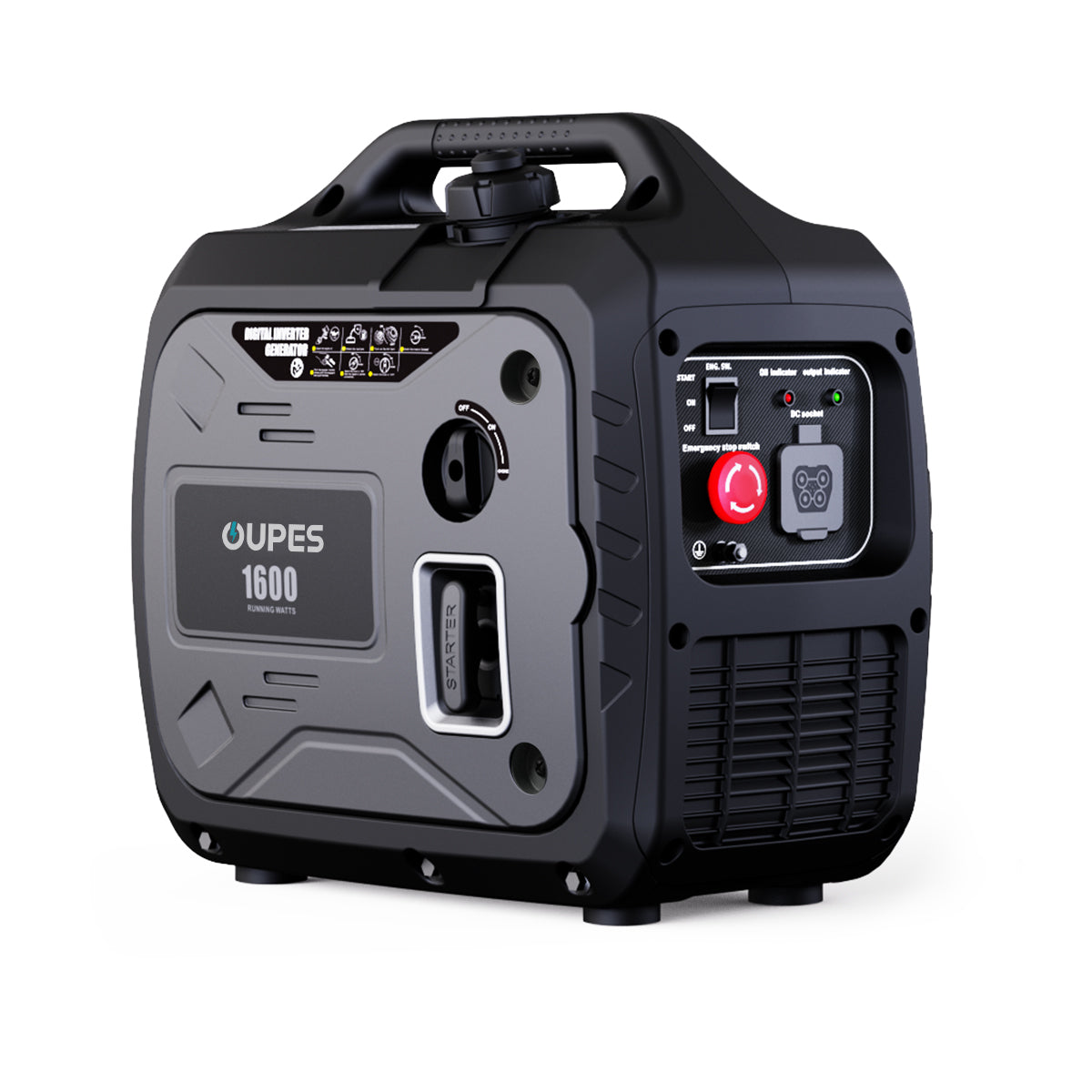
Traditional generators are common but have drawbacks: they’re noisy, require constant fuel, emit exhaust, and can’t be safely used indoors.
Solar Generators and Portable Power Stations
Solar generators combine renewable energy with rechargeable batteries, making them one of the most sustainable and user-friendly options for home backup power. They’re quiet, maintenance-free, and suitable for indoor use—ideal for households looking to balance reliability with environmental responsibility.
Comparison: Traditional Generators vs. Solar Generators
| Feature | Gas/Diesel Generator | Solar Generator / Portable Power Station |
|---|---|---|
| Fuel Source | Gasoline or diesel (non-renewable) | Sunlight or electricity (renewable) |
| Noise Level | High (60–90 dB) | Silent operation |
| Environmental Impact | Emits CO₂ and pollutants | Zero emissions |
| Maintenance | Requires oil changes and refueling | Minimal maintenance |
| Indoor Use | Not safe indoors | Safe for indoor use |
| Portability | Limited (bulky and heavy) | Lightweight and portable |
| Initial Cost | Lower upfront | Higher upfront but long-term savings |
Solar generators are clearly the more sustainable choice, offering quiet, clean, and flexible energy for home backup use. They are particularly practical in regions with strong sunlight exposure.
Why Portable Power Stations Are an Ideal Backup Option
Easy to Use
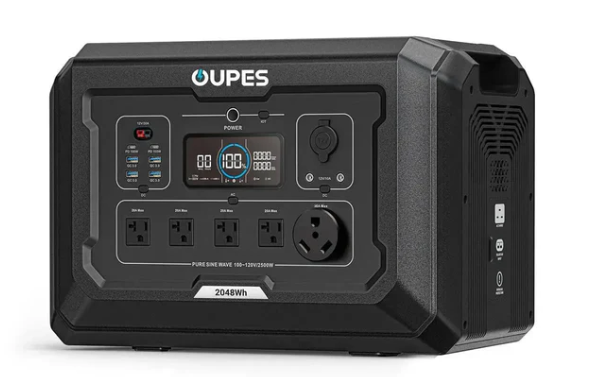
Portable power stations are designed for plug-and-play convenience. They can power refrigerators, routers, lighting, and even medical equipment with no technical expertise required.
Multi-Functional Power Support
Most models provide AC, DC, USB, and Type-C outputs, enabling simultaneous charging of multiple household devices—everything from phones to laptops.
Fast Charging and Solar Integration
Many portable stations support dual-input charging (AC + Solar), allowing full recharges in just a few hours. This makes them perfect for both emergency and everyday use.
Silent and Safe Operation
Unlike gas-powered generators, portable solar stations produce no fumes or noise. They’re powered by lithium or LiFePO₄ batteries, known for safety, longevity, and high performance.
How to Create an Effective Backup Power Plan
1. Identify Essential Loads
List devices you must keep running during an outage: refrigerators, lights, routers, medical devices, and phones. Calculate the total wattage required to keep them powered.
2. Choose the Right Backup Solution
For short blackouts, a UPS may suffice. For extended outages, consider a solar generator or portable power station with at least 1000–2000Wh of capacity.
3. Include Renewable Energy Options
Pair your backup power with solar panels. This allows continuous recharging during daylight, providing an energy-independent system that’s both cost-effective and eco-friendly.
4. Plan for Long-Term Outages
If you live in areas prone to storms or grid instability, combine solar and portable solutions to ensure uninterrupted energy even during multi-day outages.
5. Regular Maintenance and Testing
Test your backup setup monthly to ensure everything functions correctly. Store cables, panels, and batteries in a cool, dry place for optimal performance.
How OUPES Contributes to Reliable Backup Power Solutions
OUPES focuses on developing reliable solar generators and portable power stations that make energy independence achievable for every household. Their LiFePO₄ battery systems, fast-charging technology, and advanced Battery Management Systems (BMS) provide stable and safe backup power suitable for home, outdoor, and emergency applications.
By combining renewable energy with smart engineering, OUPES represents the shift toward sustainable, long-term resilience in home energy management—helping homeowners stay powered no matter what happens to the grid.
FAQ
1. How long can a solar generator power a house?
It depends on capacity and load. A 2000Wh station can run a 100W refrigerator for around 20 hours or multiple small appliances for a full day.
2. Can solar generators work during cloudy days?
Yes, although charging efficiency drops. Pairing solar input with AC recharging ensures continuous availability even under low sunlight.
3. Are portable power stations safe for indoor use?
Yes. Since they produce no emissions or fumes, they can safely operate indoors without ventilation concerns.
4. What’s the lifespan of a LiFePO₄ solar generator?
Most LiFePO₄-powered systems last over 3500 charge cycles, translating to roughly 10 years of reliable use.
5. Why is a backup plan important if my area rarely experiences outages?
Even rare blackouts can disrupt essential systems or pose safety risks. A small solar generator or power station ensures readiness without waste.