




Table of Contents
- Introduction
- Overview of Solar and Gas Generators
- Challenges of Winter Power Generation
- Solar vs. Gas Generators: A Detailed Comparison
- Cold Weather Performance
- Maintenance and Operation in Winter
- Environmental Impact
- Cost Efficiency and Long-Term Investment
- Safety Considerations During Winter
- How OUPES Portable Solar Generators Perform in Winter
- FAQ
Introduction
Winter storms and freezing temperatures can cause extended power outages, leaving homes and cabins without heat, light, or communication. Having a reliable backup power source is essential during such conditions. Two main options dominate the backup energy market: solar generators and gas generators. Both can provide off-grid power, but their performance, safety, and efficiency vary greatly in winter weather.
This article examines the strengths and weaknesses of each technology and provides expert insights, based on data from the U.S. Department of Energy (DOE) and the National Renewable Energy Laboratory (NREL), to help you choose the right one for your winter needs.
Overview of Solar and Gas Generators
What Is a Solar Generator?
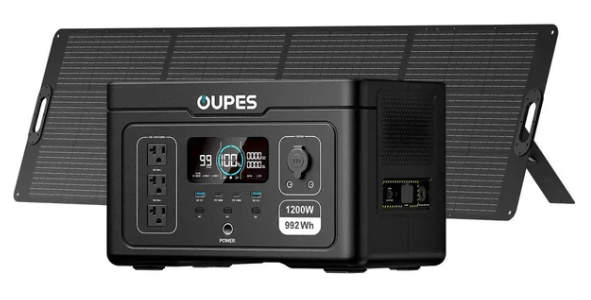
A solar generator is a clean, battery-based energy system that converts sunlight into electricity through solar panels. It typically consists of:
- Solar panels to capture sunlight
- A battery (often Lithium Iron Phosphate, or LiFePO₄) to store power
- A charge controller and inverter to manage and convert electricity
Unlike traditional fuel-based generators, solar generators produce no noise, emissions, or fuel costs, making them ideal for both indoor and outdoor winter use.
What Is a Gas Generator?
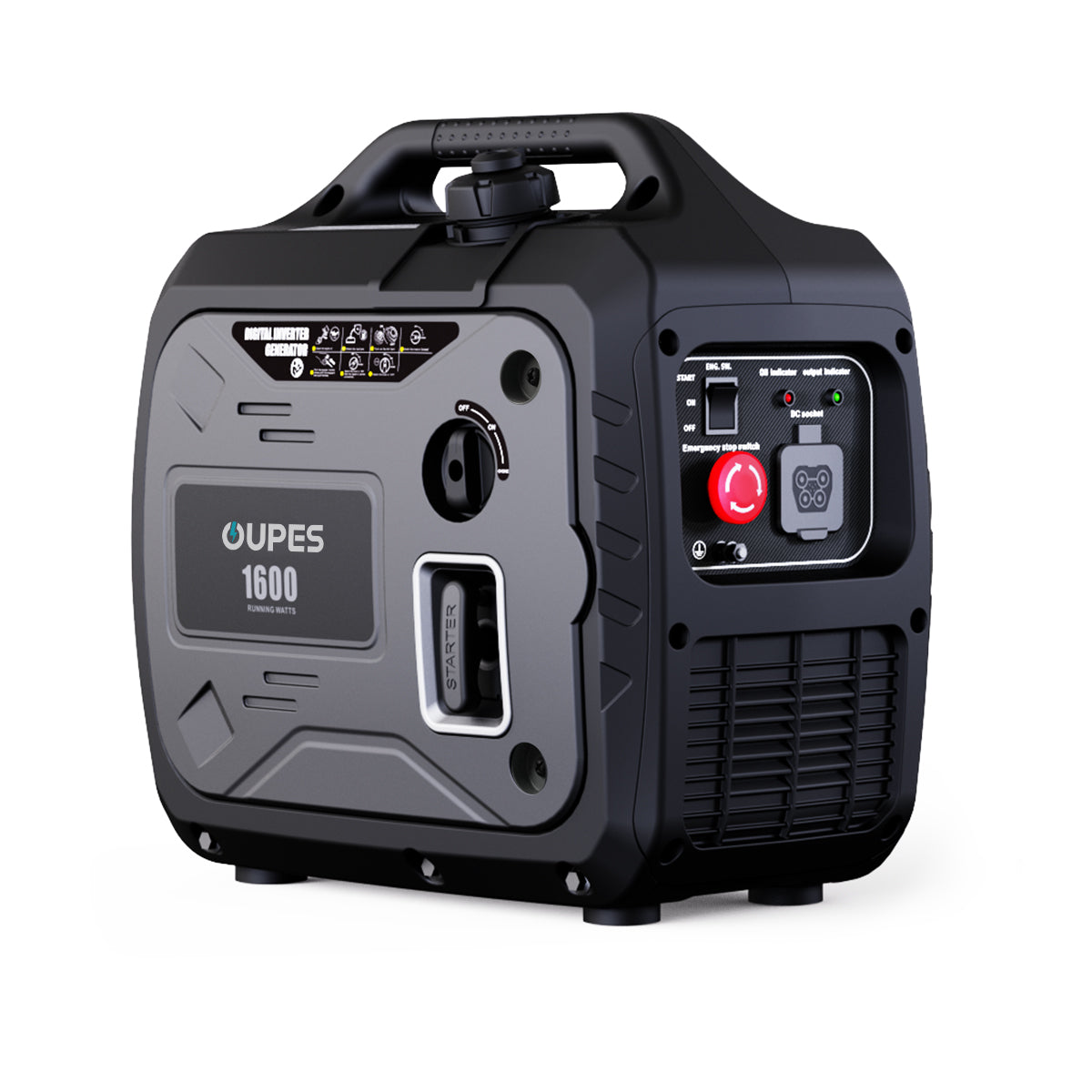
A gas generator uses gasoline, diesel, or propane to produce electricity through combustion. These units can provide high power output but require continuous refueling and proper ventilation. They are often used for whole-home backup or heavy-duty outdoor applications.
Challenges of Winter Power Generation
Both solar and gas generators face unique challenges in winter:
- Cold temperatures affect battery efficiency and fuel combustion.
- Snow and ice can reduce solar panel output and block ventilation systems.
- Extended darkness limits solar charging time.
- Safety risks increase with indoor use of fuel-powered generators due to carbon monoxide buildup.
Understanding how each system performs under these conditions helps determine which option is safer and more reliable during cold months.
Solar vs. Gas Generators: A Detailed Comparison
| Feature | Solar Generator | Gas Generator |
|---|---|---|
| Power Source | Sunlight (renewable) | Gasoline, diesel, or propane |
| Operation Temperature Range | -20°C to 45°C (with LiFePO₄ battery) | -30°C to 40°C (depending on fuel type) |
| Cold Weather Efficiency | Reduced charging speed but stable output | Engine may struggle to start in freezing temperatures |
| Fuel Availability | Free (solar) | Requires fuel storage and refueling |
| Noise Level | Silent operation | Loud (70–90 dB) |
| Maintenance | Low (no moving parts) | High (oil, filters, spark plugs) |
| Indoor Safety | Safe for indoor use | Unsafe indoors due to CO emissions |
| Environmental Impact | Zero emissions | Produces CO₂ and pollutants |
| Cost Over Time | Low (no fuel expenses) | High (fuel and maintenance) |
As seen in the table, solar generators excel in safety, sustainability, and long-term affordability, while gas generators provide greater power output but come with operational drawbacks in cold conditions.
Cold Weather Performance
Solar Generators in Winter
Solar generators perform reliably in cold weather as long as sunlight is available. LiFePO₄ batteries, used in most modern systems, maintain stable voltage even at low temperatures and are less likely to degrade than lithium-ion batteries.
According to NREL research, solar panels are actually more efficient in cooler temperatures because lower heat improves voltage output — though snow accumulation must be managed.
Gas Generators in Winter
Gas generators often face ignition problems in freezing temperatures because fuel can thicken and engines struggle to start. Propane performs better than gasoline in cold weather but still requires outdoor operation and constant monitoring.
Additionally, users must prevent fuel contamination and condensation, which can lead to clogged carburetors or corrosion.
Maintenance and Operation in Winter
Solar Generator Maintenance
- Keep solar panels free from snow or debris using a soft brush.
- Store portable units in insulated environments when not in use.
- Use MPPT charge controllers for optimal charging efficiency in low-light conditions.
Solar systems require almost no ongoing maintenance beyond basic cleaning, making them ideal for remote cabins or emergencies.
Gas Generator Maintenance
- Run the engine periodically to prevent carburetor clogging.
- Change oil and filters every 50–100 hours of operation.
- Use cold-weather-rated oil and fuel stabilizers.
- Ensure proper ventilation to prevent carbon monoxide buildup.
Maintenance neglect in winter can lead to reduced performance or even engine failure.
Environmental Impact
Solar generators are clean and sustainable, producing zero greenhouse gas emissions. They operate silently and without harmful fumes, making them ideal for enclosed spaces or eco-conscious households.
Gas generators, by contrast, emit carbon monoxide (CO), nitrogen oxides (NOₓ), and unburned hydrocarbons. According to the Environmental Protection Agency (EPA), small gasoline engines can emit as much pollution in one hour as a typical car driving 100 miles.
Cost Efficiency and Long-Term Investment
Solar Generator Economics
While solar generators have higher upfront costs, they require no fuel or oil changes. Over time, the cost per kilowatt-hour (kWh) becomes significantly lower than that of gas generators. Modern systems also qualify for renewable energy tax credits in many regions.
Gas Generator Economics
Gas generators have lower initial prices but ongoing expenses for fuel, maintenance, and potential repairs. During prolonged power outages, fuel costs can quickly add up — especially when gasoline prices spike in winter.
| Factor | Solar Generator | Gas Generator |
|---|---|---|
| Initial Cost | Higher ($800–$3000) | Lower ($400–$1500) |
| Operating Cost | Near zero | Fuel-dependent ($2–$5/hour) |
| Lifespan | 10–15 years (LiFePO₄ battery) | 5–8 years (engine wear) |
| Return on Investment | High (saves on energy bills) | Low (ongoing fuel costs) |
Safety Considerations During Winter
Solar Generator Safety
Solar generators operate silently and produce no exhaust, making them completely safe for indoor use. They also incorporate built-in Battery Management Systems (BMS) that prevent overcharging, over-discharging, and overheating — key features during temperature fluctuations.
Gas Generator Safety
Gas generators should never be used indoors or in enclosed garages. The Centers for Disease Control and Prevention (CDC) reports that carbon monoxide poisoning from portable gas generators kills hundreds of people annually in the U.S., particularly during winter storms.
Always operate gas generators outdoors, away from windows, and ensure exhaust vents are clear of snow or ice.
How OUPES Portable Solar Generators Perform in Winter
Portable solar generators from OUPES are designed with advanced LiFePO₄ batteries that maintain stable performance even in cold temperatures. These systems integrate MPPT controllers and efficient inverters to ensure maximum charging capability from limited winter sunlight.
Key winter-ready features include:
- Safe indoor use with zero emissions
- 3,500+ battery cycles for long-term reliability
- Multiple recharging methods (solar, AC, car input)
- Smart temperature protection to prevent low-temp charging damage
Whether you’re camping in the snow, preparing for a power outage, or running off-grid in remote areas, OUPES solar generators offer a safe, quiet, and efficient winter power solution.
FAQ
1. Can solar generators work effectively in cloudy or snowy weather?
Yes. While power output decreases under heavy cloud cover, solar panels still capture diffuse sunlight. Snow can be brushed off to restore full efficiency.
2. Do cold temperatures damage solar generator batteries?
No. LiFePO₄ batteries used in most modern solar generators are more temperature-resistant than standard lithium-ion batteries and perform well down to -20°C.
3. Are gas generators more powerful than solar ones?
Generally, yes — gas generators can deliver higher surge power for large appliances. However, solar systems can be expanded with extra panels and batteries to match long-term energy needs.
4. Can solar generators charge during winter?
Yes. Shorter daylight hours reduce charging time, but the sun’s lower angle and cooler air actually improve panel efficiency when sunlight is available.
5. Which generator type is better for indoor emergency use?
Solar generators are far safer for indoor use because they produce no toxic emissions, unlike gas generators that emit carbon monoxide.