




An Ice Storm Warning is one of the most serious winter weather alerts. Unlike snowstorms, ice storms can cripple infrastructure, shut down transportation, and cause long-lasting power outages—even when total precipitation looks minimal.
This guide explains what an Ice Storm Warning really means, what risks it signals for your home and family, and how to prepare step by step—especially when power outages and dangerous conditions are likely.
What Is an Ice Storm Warning?
An Ice Storm Warning means that significant ice accumulation is expected within the next 12 to 36 hours. Ice storms typically involve freezing rain that coats surfaces with a thick layer of ice.
What “Significant Ice Accumulation” Means
- ¼ inch (6 mm) or more of ice on surfaces
- Ice buildup on trees, power lines, and roads
- High likelihood of power outages
An Ice Storm Warning signals a high-impact, potentially dangerous event—not just inconvenient winter weather.
How Ice Storms Form
Ice storms form when warm air moves over a shallow layer of cold air near the ground.
The Ice Storm Process
- Snow melts into rain in warmer upper air
- Rain falls into freezing surface temperatures
- Rain freezes instantly on contact
This creates a smooth, heavy ice coating that is far more damaging than snow.
Why Ice Storms Are So Dangerous
Ice storms are often more destructive than snowstorms because of weight and slipperiness.
Key Dangers
- Power lines snapping under ice weight
- Trees and branches collapsing
- Extremely hazardous road conditions
- Extended power outages
Even a thin layer of ice can turn roads and sidewalks into skating rinks.
Ice Storm Warning vs Other Winter Alerts
| Alert Type | Primary Threat | Severity |
|---|---|---|
| Winter Weather Advisory | Light ice or snow | Low to moderate |
| Freezing Rain Advisory | Minor ice accumulation | Moderate |
| Ice Storm Warning | Heavy ice accumulation | Severe |
An Ice Storm Warning indicates a serious risk to safety and infrastructure.
How Ice Storms Affect Power and Infrastructure
Ice storms are one of the leading causes of winter power outages.
Why Power Fails During Ice Storms
- Ice adds extreme weight to power lines
- Trees fall onto electrical infrastructure
- Repair crews cannot access damaged areas safely
Unlike snowstorms, ice storms often cause outages that last for days.
What to Do Before an Ice Storm Warning
Prepare Your Home
- Charge all backup power devices
- Insulate exposed pipes
- Trim weak tree branches if time allows
Build an Emergency Supply
- Food and water for at least 3–5 days
- Warm blankets and clothing
- Flashlights and emergency lighting
Plan for Power Loss
Assume power will go out and plan accordingly.
What to Do During an Ice Storm
Stay Indoors
Travel during ice storms is extremely dangerous and should be avoided.
Create a Warm Living Zone
- Use one insulated room
- Close doors to unused areas
- Block drafts
Protect Plumbing
- Allow faucets to drip slightly
- Open cabinets under sinks
Why Backup Power Is Critical During Ice Storms
Ice storms frequently cause long-lasting outages, making backup power essential rather than optional.
What Backup Power Supports
- Lighting and visibility
- Heating system controls
- Communication devices
- Refrigeration
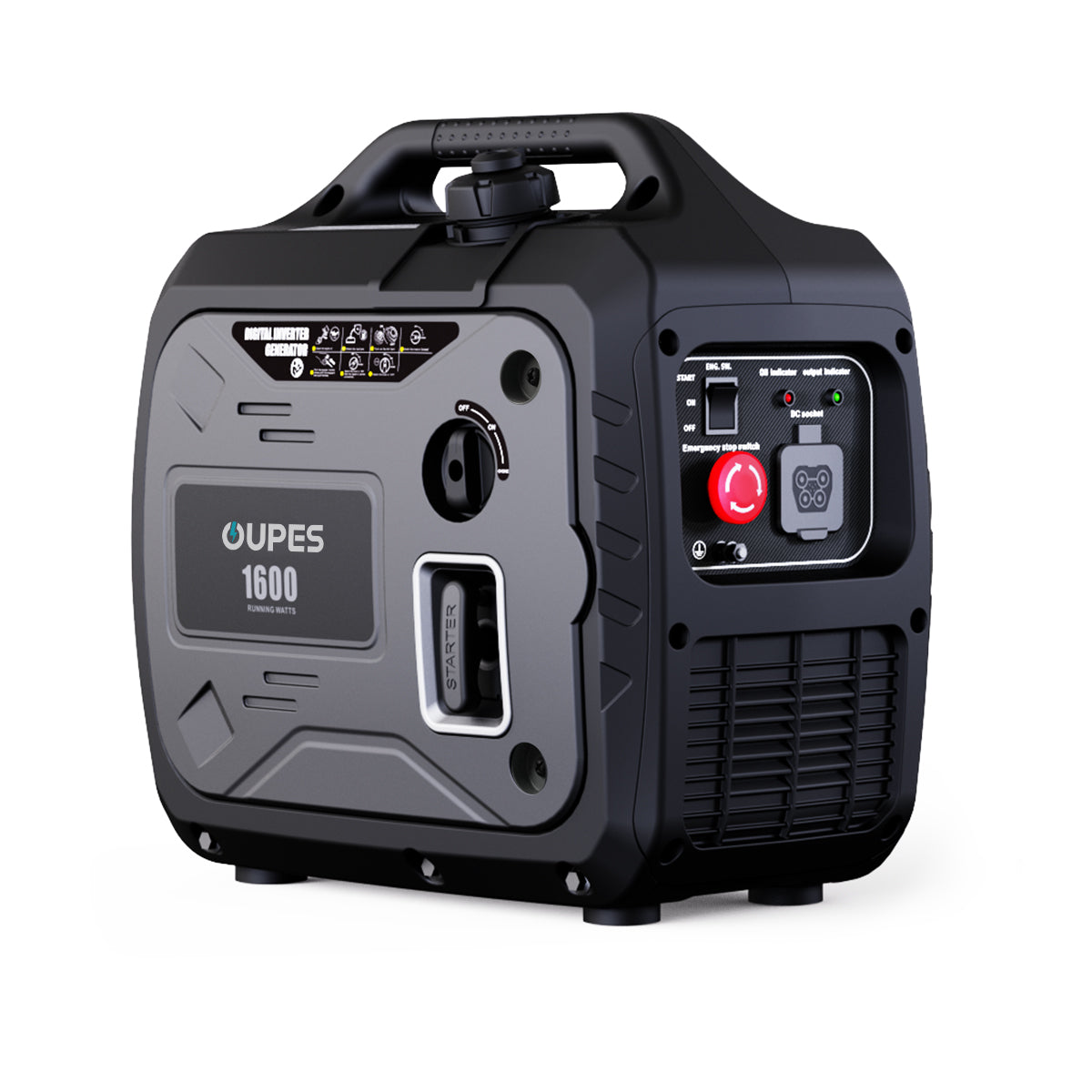
Battery-based power systems are especially suitable for ice storms because they are safe for indoor use.
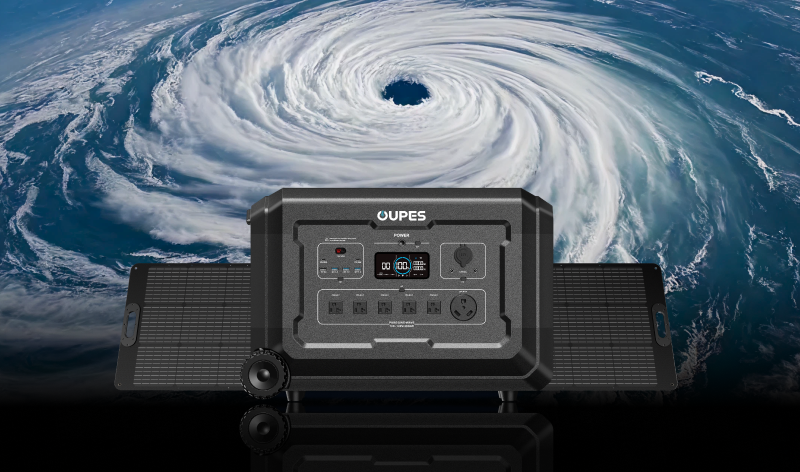
Choosing an OUPES Power Station for Ice Storm Outages
The right power station depends on outage duration and household needs.
| Model | Battery Capacity | Output Power | Ice Storm Use Case | Estimated Coverage* |
|---|---|---|---|---|
| OUPES Mega 1 | 1024Wh | 2000W | Short outages, essentials | 8–12 hours |
| OUPES Mega 2 | 2048Wh | 2500W | Overnight outages | 1–2 days |
| OUPES Mega 3 | 3072Wh | 3600W | Multi-day outages | 2–3 days |
| OUPES Mega 5 | 5040Wh | 4000W | Extended ice storm resilience | 3–5 days+ |
*Coverage varies by temperature, load, and usage habits.
What to Do After an Ice Storm
Inspect for Damage
- Check for downed power lines
- Inspect pipes for freezing damage
- Look for roof and tree damage
Recharge and Restock
Recharge backup power systems and replace emergency supplies.
Prepare for Secondary Hazards
Melting ice can cause flooding and falling debris.
Frequently Asked Questions
1. How long do ice storm power outages last?
From hours to several days, depending on damage.
2. Is freezing rain worse than snow?
Yes. Ice causes more infrastructure damage.
3. Should I drive during an ice storm?
No. Travel is strongly discouraged.
4. Can ice storms knock down trees?
Yes. Ice adds extreme weight to branches.
5. Is backup power necessary?
Yes. Ice storms often cause long outages.
6. Are ice storms common?
They occur frequently in certain winter regions.
7. Can pipes burst after the storm?
Yes. Damage often appears during thawing.
8. What is the biggest ice storm mistake?
Underestimating how long outages can last.