




If you live near the coast, you may occasionally see alerts like “Coastal Flooding Advisory” appear on your phone, local news, or weather apps. At first glance, it can sound vague or less urgent than a warning—but coastal flooding advisories are not something to ignore.
This article explains exactly what a Coastal Flooding Advisory means, how it differs from more severe flood alerts, what real-world risks it brings, and how to prepare step by step. We’ll focus on practical guidance for homeowners, renters, travelers, and families—especially in situations where flooding may disrupt power, transportation, and daily life.
What Is a Coastal Flooding Advisory?
A Coastal Flooding Advisory means that minor coastal flooding is expected or already occurring. While this level of flooding is usually not life-threatening, it can still cause property damage, road closures, and disruptions to normal activities.
What “Minor Coastal Flooding” Typically Means
- Water covering low-lying roads
- Flooding in parking lots near the shoreline
- Water entering yards, docks, or basements in coastal areas
An advisory is a heads-up to take precautions—not a signal to panic, but not something to dismiss.
Why Is a Coastal Flooding Advisory Issued?
Coastal flooding advisories are issued when weather and ocean conditions combine to push water above normal levels.
Key Triggers
- High tides, especially during full or new moons
- Persistent onshore winds
- Storm surge from nearby weather systems
- Low atmospheric pressure
These factors can raise water levels even without heavy rain.
Coastal Flooding Advisory vs Watch vs Warning
Understanding the difference between alert levels helps you respond appropriately.
| Alert Type | Flood Severity | Expected Impact |
|---|---|---|
| Coastal Flooding Advisory | Minor | Nuisance flooding, limited damage |
| Coastal Flood Watch | Moderate to Major (Possible) | Flooding may worsen |
| Coastal Flood Warning | Moderate to Major | Serious flooding expected or occurring |
An advisory is often the earliest sign that conditions are deteriorating.
Common Causes of Coastal Flooding
Astronomical Tides
Some coastal flooding happens simply due to predictable tidal cycles, especially during “king tides.”
Storm Surge
Strong winds can push ocean water inland, temporarily raising sea levels.
Wave Action
Large waves can overtop seawalls and dunes, flooding nearby areas.
Sea Level Rise
Long-term sea level rise increases how often minor flooding occurs.
What Impacts Should You Expect?
Even minor coastal flooding can disrupt daily routines.
Common Impacts
- Temporary road closures
- Saltwater intrusion into drainage systems
- Damage to vehicles parked in low areas
- Delays to ferry or coastal transportation
Repeated “minor” flooding can still cause cumulative damage.
Who Is Most at Risk?
High-Risk Groups
- Residents of low-lying coastal neighborhoods
- Homes with basements near sea level
- Businesses along waterfronts
- Tourists unfamiliar with local flooding patterns
Even a few inches of water can cause costly damage.
What to Do Before Coastal Flooding Occurs
Protect Property
- Move vehicles to higher ground
- Secure outdoor furniture
- Install temporary flood barriers if available
Prepare Your Home
- Check sump pumps and drainage
- Seal basement openings if possible
- Move valuables off the floor
Plan for Disruptions
Assume limited access to certain roads and services.
What to Do During Coastal Flooding
Avoid Flooded Areas
Do not drive or walk through flooded roads. Saltwater can damage vehicles quickly.
Stay Informed
- Monitor tide forecasts
- Follow local emergency guidance
Limit Power Risks
Avoid using electrical devices in areas where water may enter.
How Coastal Flooding Affects Power and Utilities
While coastal flooding advisories usually involve minor flooding, utilities can still be affected.
Potential Impacts
- Temporary power shutoffs as a precaution
- Saltwater damage to underground equipment
- Delayed restoration due to access issues
Short outages are common during coastal flooding events.
Preparing Backup Power for Coastal Flooding
Backup power is not just for major storms—minor coastal flooding can still disrupt electricity.
Why Battery-Based Backup Works Best
- No emissions
- Safe for indoor use
- Reliable during short-to-medium outages
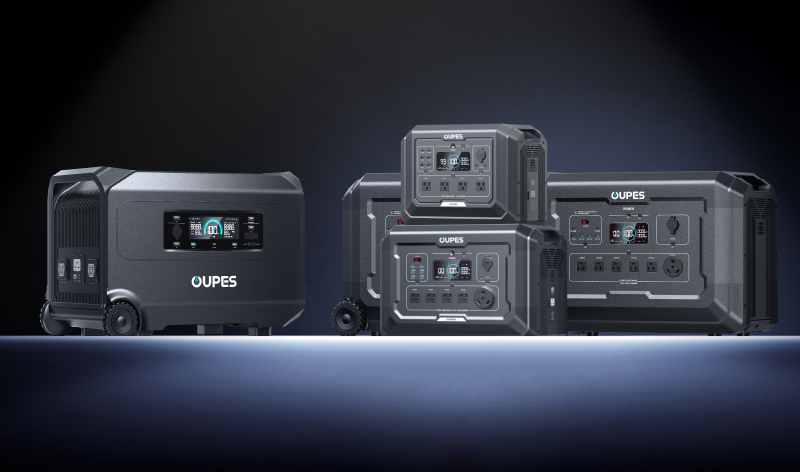
| OUPES Model | Battery Capacity | Typical Coverage | Best Coastal Use Case |
|---|---|---|---|
| OUPES Mega 1 | 1024Wh | 8–12 hours | Lighting, communication |
| OUPES Mega 2 | 2048Wh | 1–2 days | Refrigeration, essentials |
| OUPES Mega 3 | 3072Wh | 2–3 days | Extended outages |
| OUPES Mega 5 | 5040Wh | 3–5 days+ | Whole-home resilience |
Actual runtime depends on load and usage habits.
What to Do After Coastal Flooding
Inspect Carefully
- Check for water damage
- Avoid contact with standing saltwater
Restore and Recharge
- Recharge backup power devices
- Dry affected areas promptly
Plan for Future Events
Frequent advisories may indicate increasing long-term risk.
Frequently Asked Questions
1. Is a coastal flooding advisory serious?
Yes. While minor, it can still cause damage and disruption.
2. How long does coastal flooding usually last?
Often a few hours, tied to tidal cycles.
3. Should I evacuate?
Evacuation is rarely needed for advisories.
4. Can coastal flooding cause power outages?
Yes, especially near substations or underground lines.
5. Is coastal flooding the same as storm surge?
Storm surge is one cause, but not the only one.
6. Can vehicles be damaged?
Yes. Saltwater can damage engines and electronics.
7. Are advisories becoming more common?
Yes, in many coastal regions.
8. What’s the biggest mistake people make?
Ignoring advisories because they sound minor.