




Electricity is one of the most essential resources in modern life, yet many homes, cabins, and outdoor locations do not have reliable access to the electrical grid. This is where off-grid generator battery systems become important. These systems store energy in batteries and allow users to generate, store, and use electricity independently from the traditional power grid.
Off-grid battery systems are commonly used for remote homes, outdoor living, RV travel, emergency preparedness, and sustainable energy solutions. Instead of relying solely on fuel generators or grid electricity, these systems store energy that can be used anytime it is needed.
In this guide, we will explore how off-grid generator battery systems work, their benefits, and how portable solutions like OUPES power stations can support off-grid energy needs.
Table of Contents
- What Is an Off-Grid Generator Battery System?
- How Off-Grid Battery Systems Work
- Key Components of Off-Grid Power Systems
- Common Uses for Off-Grid Battery Systems
- Advantages Compared to Traditional Generators
- Portable Off-Grid Power Solutions from OUPES
- Off-Grid System Power Comparison
- Frequently Asked Questions
What Is an Off-Grid Generator Battery System?
An off-grid generator battery system is a power solution that stores electricity in rechargeable batteries and allows users to generate and consume energy independently from the main utility grid.
Instead of depending on a centralized power network, these systems create a self-sufficient energy setup. Power can be generated from sources such as solar panels, portable generators, or wall charging, then stored in batteries for later use.
Once energy is stored, an inverter converts the battery power into usable AC electricity that can operate everyday appliances and electronics.
This type of system is especially useful in locations where grid access is unavailable, unreliable, or expensive.
How Off-Grid Battery Systems Work
An off-grid battery system works by collecting energy, storing it, and delivering it when needed. The process generally follows three steps.
1. Energy Generation
Energy is produced through sources such as solar panels, portable generators, or AC charging from a wall outlet before going off-grid.
2. Energy Storage
The electricity is stored in rechargeable battery packs. Modern systems often use lithium iron phosphate (LiFePO4) batteries because of their long lifespan and high safety.
3. Energy Distribution
An inverter converts stored battery energy into AC electricity, allowing devices such as refrigerators, lights, and computers to operate normally.
This cycle allows users to continuously generate and use energy even when they are far from grid infrastructure.
Key Components of Off-Grid Power Systems
A typical off-grid generator battery system includes several important components.
Battery Storage
The battery is the core of the system, storing electricity for later use. Capacity determines how long devices can run.
Inverter
The inverter converts DC battery power into AC power suitable for household appliances.
Charging Source
Energy can come from solar panels, wall outlets, or other generators.
Energy Management System
Battery management systems (BMS) regulate voltage, temperature, and current to protect the battery and ensure safe operation.
Common Uses for Off-Grid Battery Systems
Off-grid power systems are widely used across many environments.
Remote Homes and Cabins
Properties located far from the electrical grid often rely on off-grid energy systems for daily electricity.
Outdoor Living and Camping
Portable off-grid systems allow campers and travelers to power lights, cooking equipment, and electronics.
RV and Van Life
Mobile lifestyles require reliable electricity for refrigerators, laptops, and lighting.
Emergency Backup Power
Many homeowners use battery systems to maintain power during storms and outages.
Disaster Preparedness
Backup energy can keep communication devices, medical equipment, and refrigeration operating during emergencies.
Advantages Compared to Traditional Generators
Battery-based generator systems offer several advantages over traditional fuel generators.
- Quiet operation without engine noise
- No fuel storage required
- Safe indoor use without emissions
- Rechargeable through solar energy
- Lower maintenance requirements
These features make battery generator systems increasingly popular for modern off-grid living.
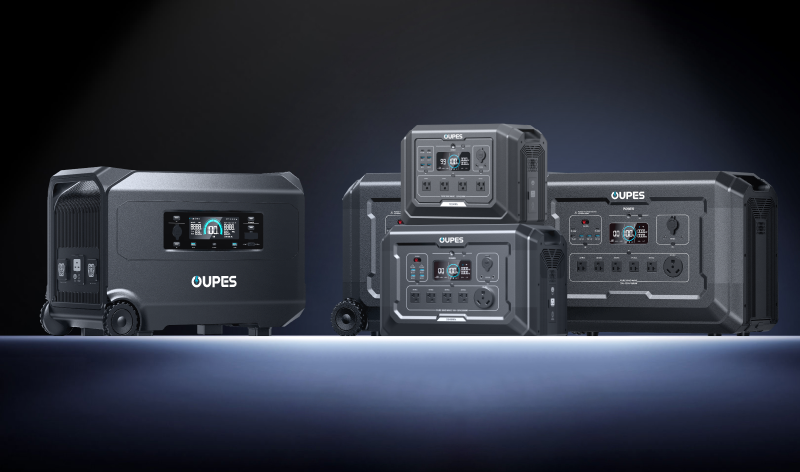
Portable Off-Grid Power Solutions from OUPES
Portable power stations are a convenient way to access off-grid battery systems without installing complex infrastructure.
OUPES Exodus Series
The Exodus series provides compact and portable power solutions suitable for outdoor activities and essential backup electricity.
These units are ideal for:
- Camping trips
- Mobile work setups
- Charging electronics during travel
- Light emergency backup
OUPES Mega Series
The Mega series offers significantly higher capacity and output, making it suitable for home backup and extended off-grid use.
These systems support:
- Household appliances
- Longer power outages
- RV power systems
- Expandable battery capacity
Off-Grid Battery System Comparison
| Model | Battery Capacity | Rated Output | Best Use Scenario |
|---|---|---|---|
| Exodus 1200 | 992Wh | 1200W | Portable off-grid power and emergency backup |
| Mega 2 | 2048Wh | 2500W | Family off-grid systems and RV travel |
| Mega 3 | 3072Wh | 3600W | Extended outages and larger energy demands |
| Mega 5 | 5040Wh | 4000W | Long-term off-grid energy solutions |
Frequently Asked Questions
What is the difference between a battery generator and a fuel generator?
A battery generator stores electricity in batteries and operates quietly without fuel. A traditional generator burns gasoline or diesel to produce power.
Can off-grid battery systems power a house?
Yes. Larger systems can support essential appliances such as refrigerators, lighting, and communication devices.
How long do battery generator systems last?
Modern LiFePO4 batteries can last thousands of charge cycles, often providing many years of service.
Can these systems be charged with solar panels?
Yes. Many off-grid battery systems support solar charging for renewable energy generation.
Are portable power stations suitable for off-grid living?
Yes. Portable systems provide flexible energy solutions for travel, remote cabins, and emergency preparedness.
Do off-grid battery systems require maintenance?
Compared with fuel generators, battery systems require very little maintenance.