




Table of Contents
- Introduction
- Types of Home Emergency Generators
- Generator vs Portable Power Station
- How to Choose the Right Backup Power
- Why OUPES Is a Practical Choice
- Recommended OUPES Models
- Final Thoughts
- FAQ
Introduction
Power outages are becoming more common due to extreme weather, grid stress, and aging infrastructure. In fact, weather-related outages have increased significantly over the past decade, making backup power no longer optional for many households. When the grid goes down, a reliable generator or backup power system becomes essential to keep critical devices running, maintain communication, and protect daily life.
But with so many options available, a common question arises: what is the best generator for home emergency use? The answer depends on your needs, budget, and expectations. In this guide, we will break down different types of generators, explain what really matters in an emergency, and introduce practical solutions from OUPES that balance reliability, safety, and affordability.
Types of Home Emergency Generators
1. Portable Gas Generators
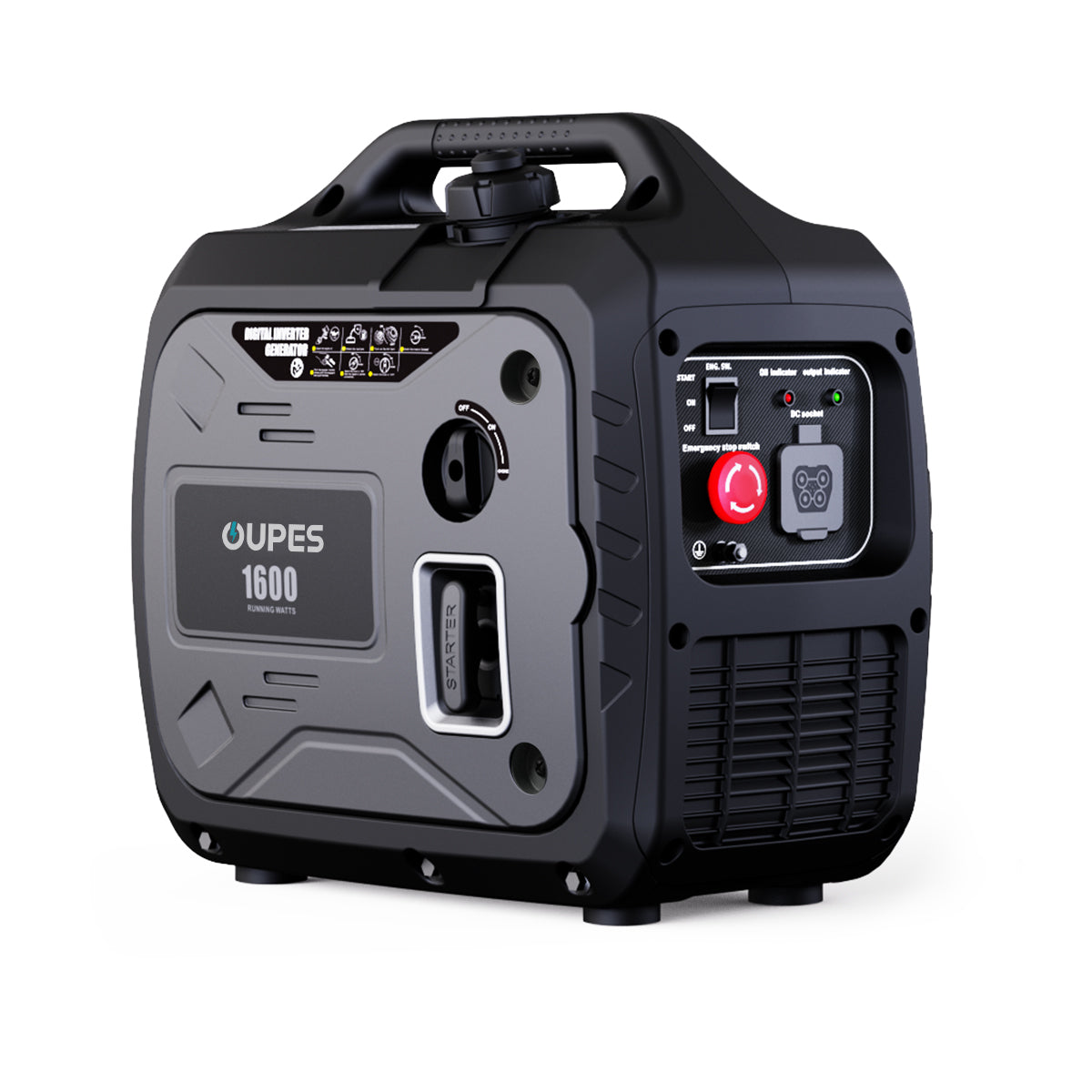
Portable generators are widely used because they are relatively affordable and easy to move. They run on gasoline, propane, or diesel and can power essential appliances during outages. However, they require fuel storage, regular maintenance, and must be used outdoors due to carbon monoxide risks.
They are best suited for short-term outages and users who are comfortable handling fuel-based equipment.
2. Standby (Whole-House) Generators
Standby generators are permanently installed and automatically turn on when the power goes out. They can supply electricity to an entire home and are considered the most seamless solution. These systems typically run on natural gas or propane and connect directly to your electrical panel
While powerful, they come with higher upfront costs, installation requirements, and ongoing maintenance.
3. Portable Power Stations (Battery Generators)
Portable power stations are a newer and increasingly popular option. Instead of generating electricity from fuel, they store energy in batteries and deliver it when needed. They are quiet, emission-free, and safe to use indoors.
These systems are especially useful for powering essential devices such as lights, phones, laptops, routers, and small appliances during outages. They can also be recharged using wall outlets, vehicles, or solar panels.
Generator vs Portable Power Station
Choosing the best emergency power solution requires understanding the differences between traditional generators and battery-based systems.
- Fuel vs Battery: Gas generators rely on fuel, while power stations store electricity.
- Noise: Gas generators are loud; battery systems are nearly silent.
- Safety: Fuel generators produce emissions; battery systems are safe indoors.
- Maintenance: Gas units require upkeep; battery systems are low maintenance.
- Flexibility: Portable power stations can be used for camping, travel, and emergencies.
According to industry analysis, portable power stations are becoming a preferred solution for backup power because they offer a quiet, clean, and flexible alternative to traditional generators
How to Choose the Best Generator for Your Home
The best generator depends on what you actually need during an outage. Instead of focusing only on maximum power, consider the following:
- Essential devices: lights, phones, internet, refrigerator
- Outage duration: short outages vs multi-day disruptions
- Portability: whether you need to move the unit
- Safety requirements: indoor vs outdoor use
- Budget: upfront and long-term costs
For many households, the best solution is not necessarily the largest system, but the one that reliably supports essential needs during emergencies.
Why OUPES Is a Practical Choice for Emergency Power
OUPES focuses on providing affordable, reliable, and practical portable power stations that fit real-life scenarios. Instead of requiring complex installation or fuel management, OUPES solutions offer a simple way to prepare for outages.
These systems are designed to:
- Provide quiet and safe indoor power
- Support essential household devices
- Offer flexible charging options including solar
- Work for both emergencies and outdoor use
This combination makes OUPES especially suitable for modern households that want reliable backup without the complexity of traditional generator systems.
Recommended OUPES Models for Home Emergency Use
OUPES Mega 1 – Entry-Level Emergency Backup
The OUPES Mega 1 offers 1024Wh capacity and 2000W output. It is ideal for basic emergency needs such as charging phones, powering lights, and keeping essential electronics running.
This model is a strong starting point for households looking for an affordable and simple backup solution.
OUPES Mega 3 – Balanced Power for Most Homes
The OUPES Mega 3 provides 3072Wh capacity and 3600W output. It offers a balance between power and practicality, making it suitable for longer outages or households with multiple devices.
This model can support more demanding use cases while remaining portable and flexible.
OUPES Guardian 6000 – High-Capacity Emergency Solution
The OUPES Guardian 6000 is designed for more serious backup needs. With 6144Wh capacity and 6000W output, it can support a wider range of household appliances and provide longer backup duration.
This makes it a strong option for users who want greater resilience during extended outages or more demanding home setups.
Final Thoughts
So, what is the best generator for home emergency use? The answer depends on your priorities. Traditional generators offer high power but come with noise, fuel, and maintenance challenges. Portable power stations, on the other hand, provide a cleaner, quieter, and more flexible solution for modern households.
For many users, a well-chosen portable power station delivers the best balance between reliability, safety, and convenience. OUPES stands out by offering practical solutions that meet real-world needs without unnecessary complexity. Whether you choose an entry-level unit like the Mega 1 or a high-capacity system like the Guardian 6000, having a reliable backup plan can make a significant difference during emergencies.
FAQ
1. What size generator do I need for home emergency use?
It depends on what you want to power. Basic needs require smaller systems, while whole-home backup requires larger capacity.
2. Are portable power stations better than gas generators?
They are safer, quieter, and easier to use indoors, but may have lower total output compared to large fuel generators.
3. How long can a portable power station run during an outage?
Runtime depends on battery capacity and power usage. Larger units can support essential devices for many hours or even days.
4. Can I use a portable power station indoors?
Yes. Unlike gas generators, battery-based systems are safe for indoor use because they produce no emissions.
5. Is OUPES suitable for home backup?
Yes. OUPES portable power stations are designed to support essential home devices during outages and provide flexible backup power.
6. What is the difference between watts and watt-hours?
Watts measure power output, while watt-hours measure total stored energy and determine how long a device can run.
7. Can I recharge a power station during an outage?
Yes, many models support solar charging or car charging, providing additional flexibility during extended outages.
8. Is backup power really necessary?
With increasing outages and extreme weather, having a backup power solution is becoming an important part of home preparedness.