




Introduction
Severe winter weather can bring snowstorms, freezing rain, power outages, road closures, and dangerously low temperatures. Whether you live in a region that regularly experiences harsh winters or an area increasingly affected by unpredictable climate patterns, preparing ahead of time is essential for safety and survival.
This comprehensive guide covers the crucial supplies you need to stay warm, fed, safe, and connected during extreme winter conditions. From backup energy solutions like OUPES portable power stations to emergency medical kits and home winterization tools, every item listed here is based on real-world scenarios and emergency preparedness best practices.
Understanding Severe Winter Weather Risks
Winter storms can vary significantly, but they share common risks:
- Power outages lasting hours or days
- Disrupted heating due to downed power lines
- Road closures caused by snow, ice, or accidents
- Limited access to groceries, fuel, or medical services
- Frozen pipes and property damage
- Dangerous wind chills increasing risk of hypothermia
Preparing the right supplies allows you to maintain warmth, nutrition, safety, and communication even in worst-case scenarios.
1. Food and Water Supplies
When storms disrupt supply chains or roads, access to food and clean water becomes a top priority.
Recommended Food Supplies
- Non-perishable canned foods (soups, beans, fruit)
- Dry goods (rice, pasta, oats)
- High-calorie snacks (nuts, protein bars, peanut butter)
- Ready-to-eat meals
Water Requirements
Emergency guidelines recommend at least 1 gallon per person per day for drinking and hygiene.
Prepare enough for three to seven days depending on your region's storm severity.
2. Medical, Health, and Personal Safety Supplies
Winter storms increase the risk of accidents, injuries, and delays in emergency services. A well-stocked medical kit is essential.
Recommended Medical Supplies
- First-aid kit
- Prescription medications (two-week supply)
- Pain relievers
- Aspiration masks (N95 recommended)
- Hand sanitizer and disinfecting wipes
Additional Safety Gear
- Flashlights and headlamps
- Extra batteries
- Fire extinguisher
- Emergency whistle
3. Heating, Warmth & Clothing Essentials
Extreme cold is one of the biggest dangers during winter storms, especially if power or heating systems fail.
Clothing Essentials
- Thermal layers
- Waterproof outerwear
- Wool socks and gloves
- Hats and neck warmers
Home Heating Supplies
- Emergency blankets
- Sleeping bags rated for sub-zero temperatures
- Indoor-safe heaters (if available)
- Draft stoppers and insulated curtains
Tip: Closing off unused rooms can preserve warmth and reduce heat loss.
4. Backup Power Solutions
Power outages are extremely common during winter storms due to ice accumulation, fallen trees, and grid failure. A reliable backup power system ensures your essential devices remain operational.
Recommended Backup Power Options
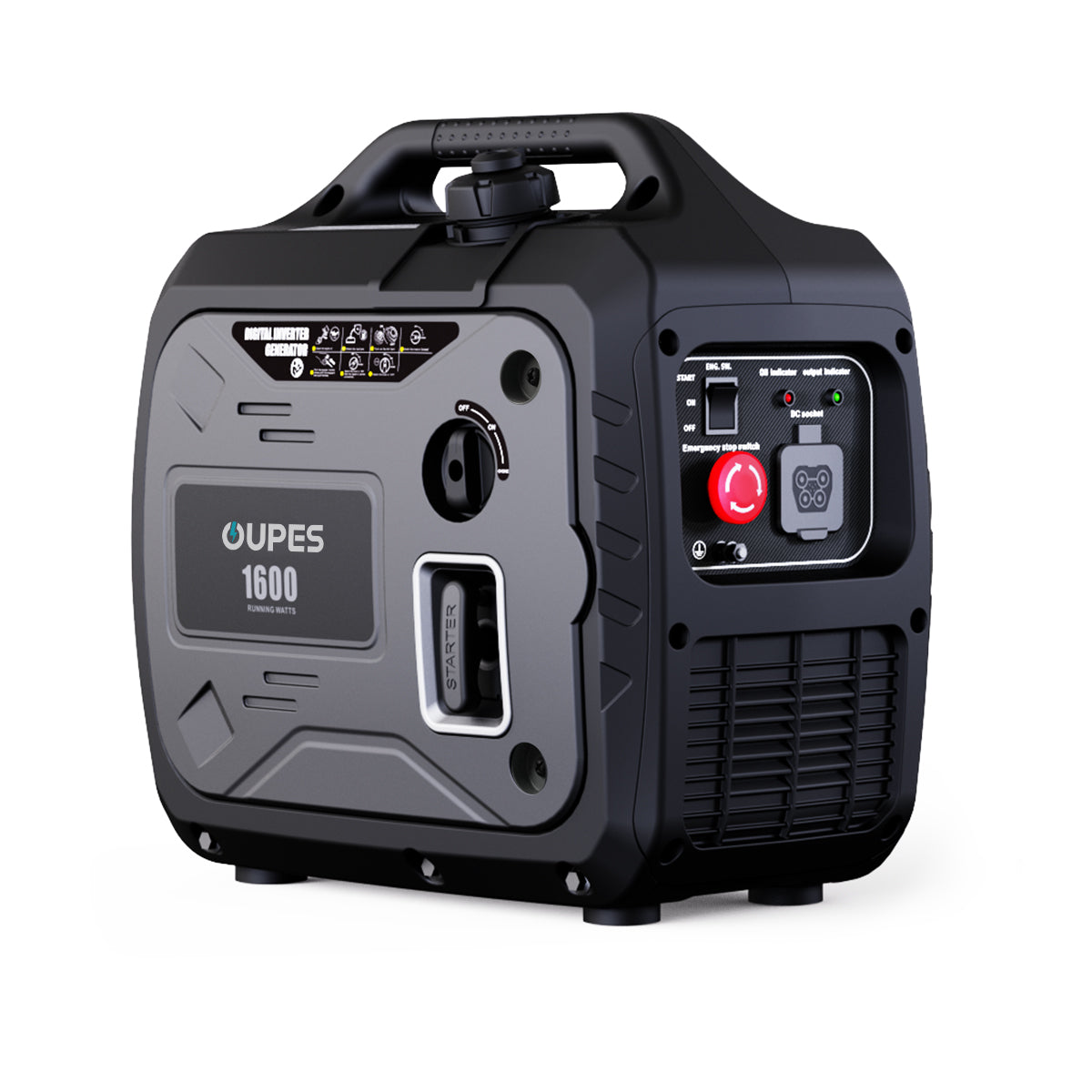
- Portable power stations
- Solar panels (if sunlight is available)
- Power banks for small electronics
Why Portable Power Stations Are Critical
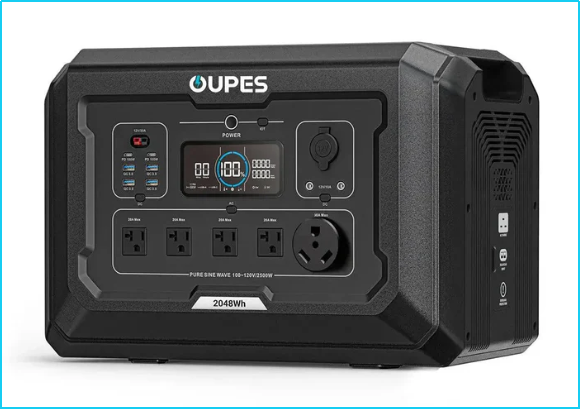
Portable power stations from OUPES can safely power refrigerators, medical equipment, phones, electric blankets, and more without fumes or noise. They are ideal for indoor winter emergency use.
Example Runtime Table
| Appliance | Average Power | Runtime on 2000Wh Power Station |
|---|---|---|
| Refrigerator | 120W | 14–16 hours |
| Electric Blanket | 75W | 22–25 hours |
| CPAP | 40W | 40+ hours |
5. Communication & Emergency Alert Tools
Severe winter storms can disrupt cell towers, internet connectivity, and local communication services.
Essential Communication Tools
- Portable power station to keep phones charged
- Battery-powered or hand-crank emergency radio
- Backup phone battery
- Satellite messenger (optional for rural areas)
6. Home Protection & Winterization Tools
Winterization reduces heat loss, prevents frozen pipes, and protects essential home systems.
Home Winterization Essentials
- Pipe insulation sleeves
- Faucet covers
- Weatherstripping
- Shovels and ice melt
- Backup water containers
- Carbon monoxide detector
Heating System Preparation
- Change air filters
- Inspect furnace or heat pump
- Store extra fuel (if needed)
7. Vehicle Emergency Supplies
If you must drive during winter conditions, your vehicle should be equipped with essential survival tools.
Recommended Vehicle Supplies
- Snow chains
- Windshield scraper & de-icer
- Jumper cables
- Portable power station for jump-starting
- Blankets and snacks
- Emergency flares
- Portable shovel
Winter Supply Checklist Comparison Table
| Category | Essential Items | Why It Matters |
|---|---|---|
| Food & Water | Canned foods, dry goods, potable water | Ensures survival during store closures |
| Power | Portable power station, batteries | Keeps heating, medical devices, and communication running |
| Warmth | Layers, blankets, insulated gear | Prevents hypothermia |
| Home Protection | Pipe insulation, weatherstripping | Reduces property damage |
| Medical | First-aid kit, prescriptions | Prepares for delayed emergency services |
FAQ
How many days should I prepare for?
Most regions recommend preparing for 3–7 days of independent survival.
What is the most important winter emergency supply?
Backup power is often the most critical because heat, food, and communication depend on it.
How much water should I store?
At least one gallon per person per day.
Why do I need a portable power station?
It enables safe indoor use while powering essential devices during outages.
What items help prevent frozen pipes?
Pipe insulation, faucet covers, and maintaining indoor heat are key.
Should I prepare my car as well?
Yes—winter storms can leave drivers stranded for hours.
How can I stay warm without electricity?
Layer clothing, use insulated blankets, and block drafts.
Conclusion
Preparing for severe winter weather requires a combination of food, warmth, medical supplies, home protection tools, and reliable backup power. With the right supplies, you can stay safe, warm, and secure even during extended winter emergencies.