




Introduction
Home generators have quickly become essential for modern households, especially as extreme weather events, infrastructure failures, and rising electricity demand increase the likelihood of power outages. Choosing the right generator depends on your budget, home size, power needs, and long-term energy goals.
This guide breaks down the different types of home generators available today, explains how each works, and helps you identify which solution fits your lifestyle—whether you’re preparing for emergencies, powering an entire home, or looking for renewable backup options.
Standby Home Generators
Standby home generators are permanently installed systems that automatically activate when utility power fails. They are the most powerful and seamless backup option, providing whole-house electricity with minimal user intervention.
How Standby Generators Work
These systems are connected directly to your home’s electrical panel and powered by natural gas or propane. A transfer switch detects outages and switches the home to generator power in seconds.
Advantages
- Automatic operation
- Supports entire-home loads including HVAC
- Long runtime using gas lines
- Ideal for long and frequent outages
Disadvantages
- High installation and equipment cost
- Requires professional installation
- Not portable
- Depends on fuel availability
Typical Wattage Range
| Home Size | Recommended Standby Generator | Wattage |
|---|---|---|
| Apartment / Small Home | Essential circuits only | 7,000–10,000W |
| Medium Home | Partial home backup | 11,000–18,000W |
| Large Home | Whole-house backup | 20,000–38,000W |
Portable Generators
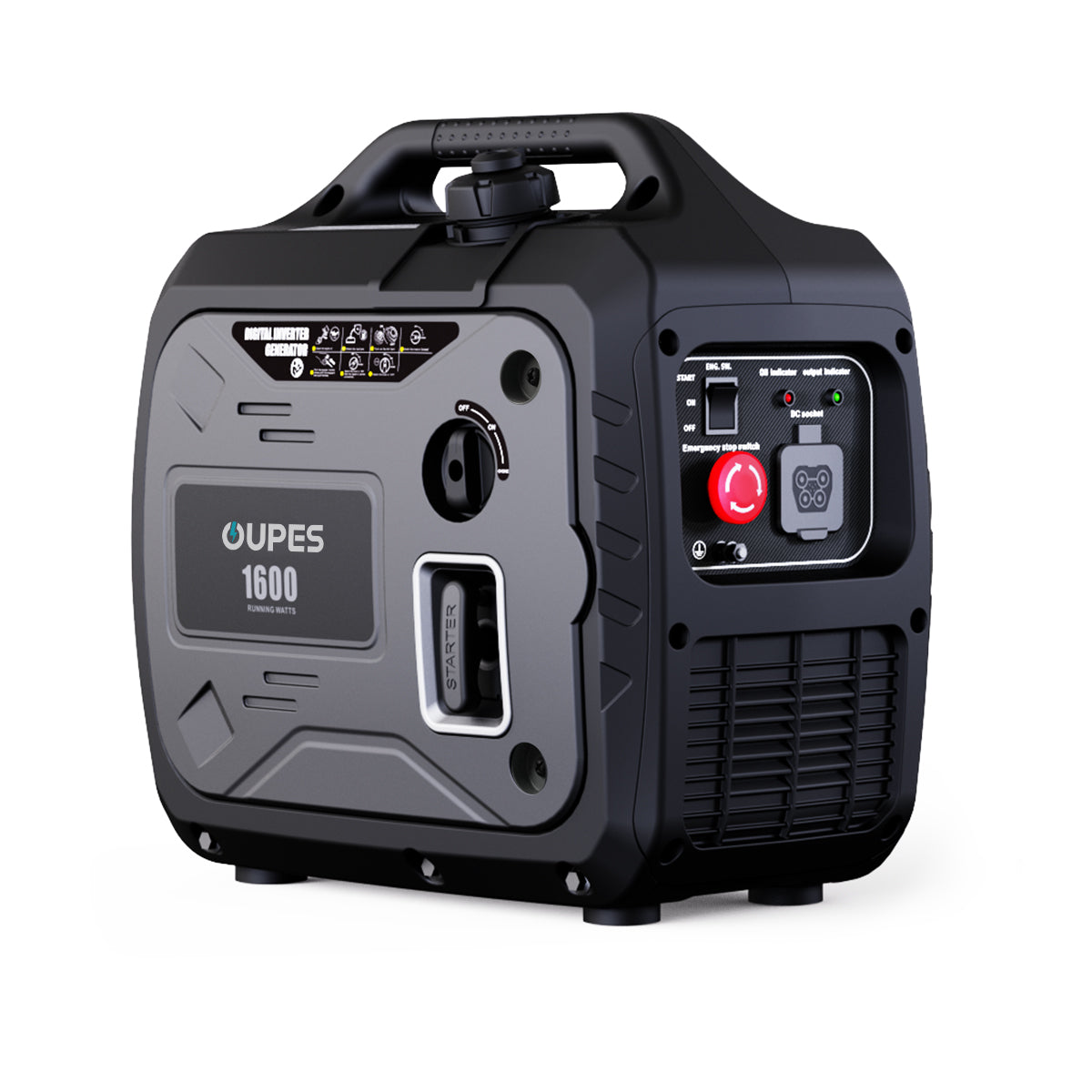
Portable generators are gas-powered units that provide backup electricity for selected appliances. They are commonly used for short outages, outdoor activities, or emergency situations where mobility is required.
How Portable Generators Work
These devices burn gasoline and produce electricity through a combustion engine. They must be operated outdoors due to carbon monoxide emissions and require manual startup during outages.
Advantages
- Lower cost than standby generators
- Portable and versatile
- Easy to store
- Reliable for temporary outages
Disadvantages
- Cannot be used indoors
- Requires fuel storage
- No automatic startup
- Loud operation
Typical Wattage Range
| Use Case | Appliances Supported | Wattage |
|---|---|---|
| Basic essentials | Lights, fridge, phones | 2,000–3,500W |
| Medium backup | Refrigerator, TV, small AC | 4,000–6,000W |
| Large backup | Space heater, well pump, appliances | 7,000–10,000W |
Solar Generators
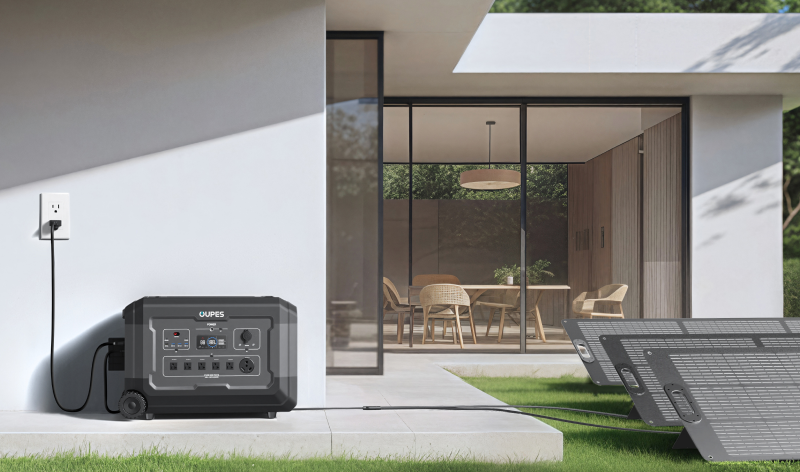
Solar generators use portable power stations combined with solar panels to store and deliver renewable energy. They are safe, quiet, and sustainable alternatives to fuel-based generators.
How Solar Generators Work
Solar panels capture sunlight, convert it into electricity, and store it in a high-capacity battery. The solar generator then powers appliances using AC and DC ports.
Advantages
- Zero emissions
- Completely silent
- No fuel required
- Safe for indoor use
- Works well for long-term preparedness
Disadvantages
- Relies on sunlight for recharging
- Higher initial cost
- May require multiple panels for large loads
OUPES Solar Generator Options
| Model | Battery Capacity | AC Output | Best For |
|---|---|---|---|
| Exodus 600 | 256Wh | 600W | Camping, basic essentials |
| Exodus 1200 | 992Wh | 1200W | Home backup essentials |
| Mega 5 | 5040Wh | 4000W | Whole-home solar backup |
Home Battery Backup Systems
Home battery systems store electricity from solar panels or the grid and deliver instant, silent power during outages. They are increasingly popular as clean-energy alternatives to fossil-fuel generators.
How They Work
The system stores energy during normal grid operation and automatically switches to battery power when an outage occurs.
Advantages
- Silent and emission-free
- No fuel or maintenance requirements
- Instant automatic switchover
- Works indoors safely
- Compatible with solar for long-term power
Ideal For
Eco-friendly homes, areas with frequent short outages, and homeowners wanting renewable energy solutions.
Comparison: Which Type Is Best?
| Generator Type | Power Capacity | Best Feature | Limitations | Best For |
|---|---|---|---|---|
| Standby Generator | High | Automatic full-home power | High cost, fuel needed | Homes needing uninterrupted whole-house power |
| Portable Gas Generator | Medium–High | Affordable and strong output | Loud, fuel required, outdoor-only | Short-term emergency use |
| Solar Generator | Low–High | Silent, clean energy | Dependent on sunlight | Indoor-safe backup and long-term emergency prep |
| Battery Backup System | Medium–High | Instant switchover, maintenance-free | Expensive | Solar homes, eco-conscious users |
FAQ
What generator is best for whole-home backup?
A high-capacity generator such as a standby unit or a large solar generator like the OUPES Mega 5.
Are solar generators powerful enough for home use?
Yes. Modern units can power appliances such as refrigerators, lights, and even HVAC with enough capacity.
Do portable generators need professional installation?
No. They are plug-and-play, but must be operated outdoors with proper safety precautions.
Which generator is the safest indoors?
Solar generators and battery backup systems—they produce no fumes and operate silently.
Are home generators expensive to maintain?
Fuel generators require regular maintenance. Solar and battery systems require very little upkeep.
Which type offers the longest runtime?
Standby generators with natural gas can run indefinitely as long as supply is available.
Can I install a generator myself?
Portable models—yes. Standby generators require professional installation.
Conclusion
Home generators come in several types—standby, portable, solar, and battery-based—each offering unique strengths depending on your needs. Whether you're preparing for emergency outages, powering your entire home, or seeking renewable energy solutions, there is a generator option ideal for your lifestyle.
Solar and battery systems are becoming the most popular for indoor safety and environmental reasons, while standby generators remain the top choice for full-home power security.