




Introduction: If you live in an area where severe storms are common, you have probably seen both terms in weather alerts: tornado watch and tornado warning. Many people know they are serious, but not everyone understands the difference clearly. That confusion can be dangerous because these alerts are not interchangeable. A tornado watch means the atmosphere is capable of producing tornadoes. A tornado warning means the danger is immediate or already happening nearby. In simple terms, a warning is worse because it requires action right away. This article explains the difference between the two, why a tornado warning is more serious, what you should do during each stage, and how to prepare your home for both the storm itself and the power outages that often follow. It also briefly introduces a few OUPES backup power products that can support emergency readiness after severe weather.
Why People Get Confused About Tornado Alerts
At first glance, the words “watch” and “warning” sound similar. In everyday conversation, people do not always use them with precise meanings. Because of that, many people assume both alerts mean roughly the same thing. Others even think a watch sounds more urgent because it suggests something is being actively monitored. In weather safety, however, the meanings are very specific.
A tornado watch is issued when weather conditions are favorable for tornadoes to form. It does not mean a tornado has already been confirmed in your exact location. A tornado warning is much more urgent. It means a tornado has been detected by radar or reported by trained observers, and people in the affected area should take shelter immediately.
Understanding this difference is one of the most basic but most important parts of severe weather preparedness. The sooner a household understands which alert they are seeing, the faster they can respond in the right way.
What Is a Tornado Watch?
A tornado watch is the earlier stage of concern. It means the atmosphere has the ingredients needed for tornadoes or severe thunderstorms that could produce them. These ingredients often include unstable air, strong wind shear, moisture, and storm energy. During a watch, the risk has increased, but the exact location, timing, and severity are still uncertain.
The best way to think about a tornado watch is this: conditions are favorable, so you need to be prepared. A watch is not the time to panic, but it is absolutely the time to pay attention. It is also the stage when families can make the biggest difference in their safety by acting early. You still have time to charge devices, gather emergency supplies, review your shelter plan, and monitor trusted forecasts.
Watches are often issued for broad areas that may cover multiple counties or even multiple states. That means not every location inside a watch area will experience a tornado. However, everyone inside that area should stay alert because conditions can change quickly.
What Is a Tornado Warning?
A tornado warning is more serious than a tornado watch because it signals immediate danger. A warning means a tornado has been observed, reported, or indicated by radar. In other words, the threat is no longer just possible. It is happening or is highly likely to happen in the warned area.
This is the moment when people need to stop preparing and start protecting themselves. If your area is under a tornado warning, you should move to a basement, storm shelter, or a small interior room on the lowest floor of a sturdy building, away from windows. Mobile homes, vehicles, and RVs are not safe places to stay during a tornado warning if a sturdier shelter is available.
In practical terms, a warning is worse because it usually gives you much less time. The storm has already become dangerous enough that immediate action is required. Waiting to look outside, trying to confirm the tornado visually, or delaying to collect extra belongings can waste valuable seconds.
So, Which One Is Worse?
The tornado warning is worse. That is the direct answer. A watch means “be ready.” A warning means “take shelter now.” The difference is not just about language. It is about urgency. A watch still leaves time to prepare. A warning means your protective action should already be happening.
That said, a tornado watch should never be ignored. It may be less severe than a warning, but it is still an important alert. In fact, the watch period is often when the smartest preparation happens. If you take the watch seriously, you are much more likely to respond quickly and effectively if it turns into a warning later.
So while the warning is worse, the watch is still important because it gives you the chance to reduce your risk before the danger becomes immediate.
What Should You Do During a Tornado Watch?
A tornado watch is the time to get ready. Good preparedness does not need to be complicated, but it does need to be practical. Start by checking that your phones are charged and emergency notifications are enabled. If you have a weather radio, keep it nearby. Continue monitoring local forecasts and updates rather than relying only on a single app notification.
Next, identify the safest place in your home. This is typically a basement, storm shelter, or a small interior room on the lowest floor. Bathrooms, closets, and interior hallways can sometimes work better than larger rooms. Make sure every family member knows where to go, including children, older adults, and anyone with mobility challenges. Think about pets too, because trying to find them at the last minute wastes time.
This is also the right time to gather flashlights, shoes, water, medications, helmets, blankets, chargers, and a basic first-aid kit. If you use a portable power station for emergency backup, a tornado watch is the moment to make sure it is charged and ready. Severe storms often bring down power lines even when a tornado does not strike directly.
What Should You Do During a Tornado Warning?
During a tornado warning, you should move to shelter immediately. Do not wait to see the tornado. Tornadoes can be rain-wrapped, fast-moving, or difficult to see at night. If you are indoors, go to the lowest floor of a sturdy building and place as many walls as possible between you and the outside. Stay away from windows and glass doors.
Bring your phone and essential emergency items if they are within reach, but do not delay sheltering just to gather extra things. Protect your head and neck with a helmet, cushion, mattress, or thick blankets if possible. If you are in a mobile home, RV, or car, seek a sturdy shelter right away. These structures are much more vulnerable to tornado winds and flying debris.
Once you are in shelter, stay there until the immediate threat has passed and local authorities or trusted weather sources confirm it is safer to come out. One common mistake is leaving shelter too early because the first wave of wind or rain seems to have ended. Tornadic storms can shift quickly, and additional danger may still be nearby.
Why Tornado Safety Is Also About Power Preparedness
Most people think first about shelter when tornadoes are mentioned, and that is correct. Shelter is the top priority. But severe storms also create another major problem: power outages. Tornadoes and strong thunderstorms can damage substations, transformers, poles, and nearby trees. Even if your home escapes direct structural damage, you may still lose electricity for hours or days.
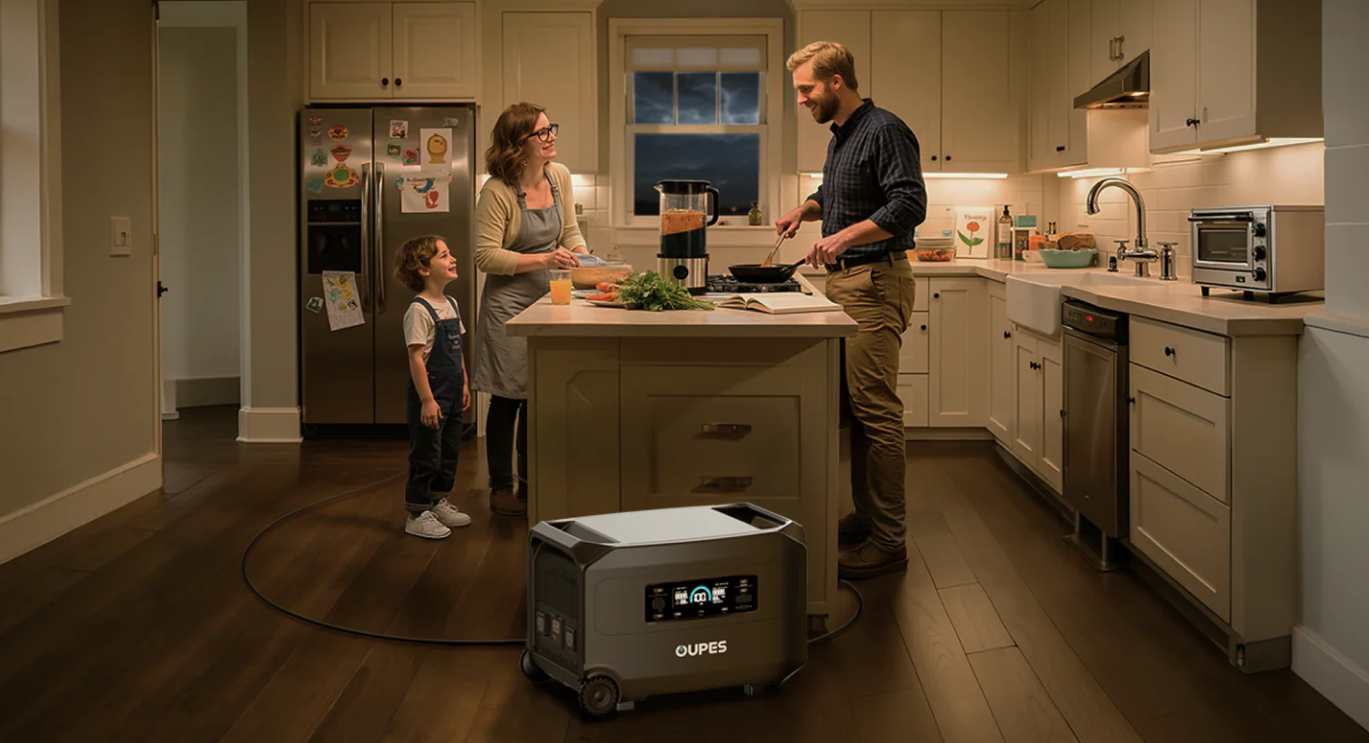
That matters because electricity affects much more than lights. It affects communication, phone charging, internet access, refrigeration, medical devices, and the ability to keep up with emergency information. For many families, storm readiness is not complete unless it includes a realistic backup power plan for the hours after the warning has passed.
This is where battery-based backup systems become relevant. They do not replace the need for shelter, but they can make recovery easier by keeping key devices running while the grid is down.
A Few OUPES Options for Storm Readiness
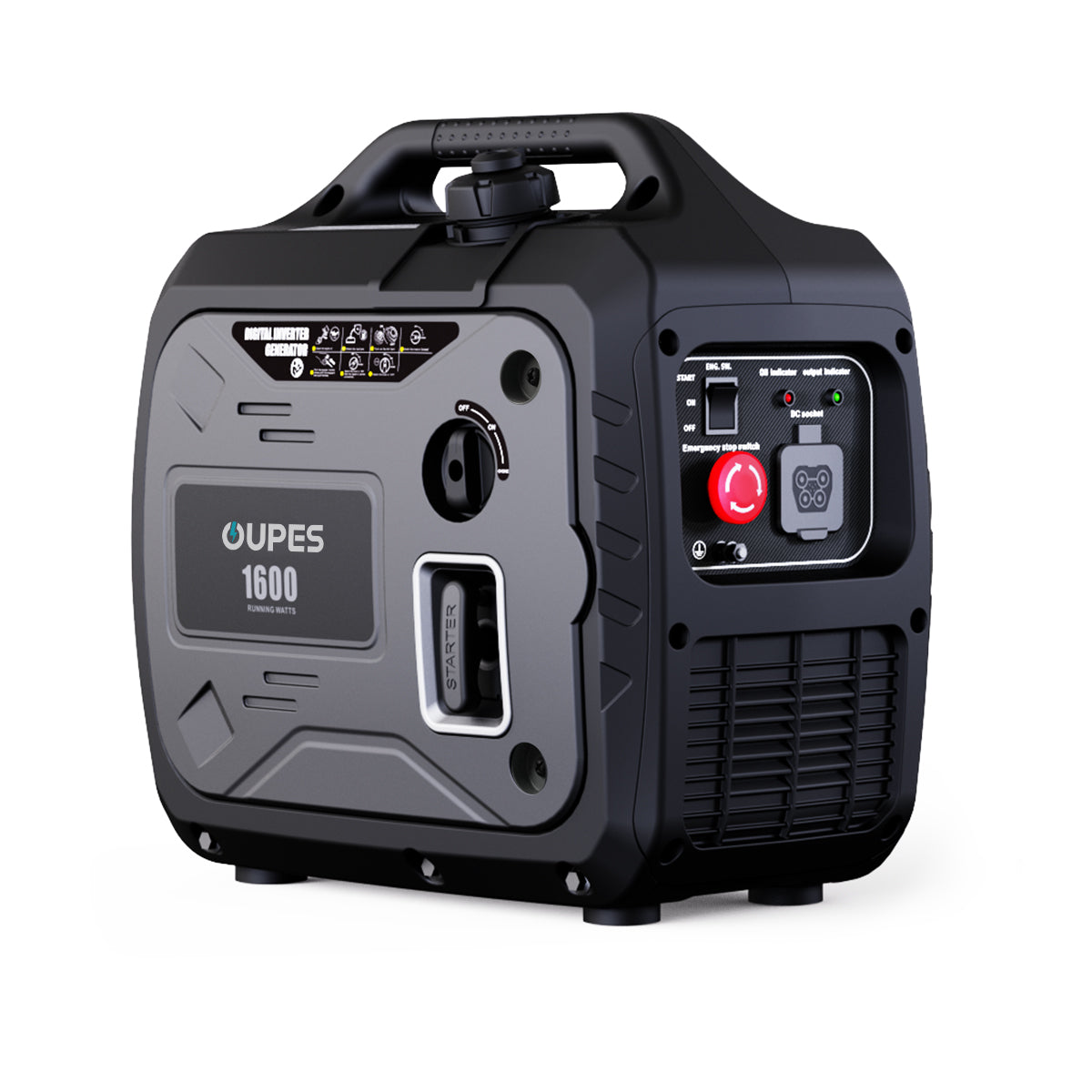
For households building a severe weather plan, OUPES offers several portable power stations that can support different levels of backup needs. For example, the OUPES Mega 1 is a practical choice for lighter emergency use, such as keeping phones, lights, radios, and other small essentials powered during a short outage.
For users who want more capacity and flexibility, the OUPES Mega 3 provides a stronger balance for households that may want longer runtime or support for more devices during a storm-related outage.
For more demanding home backup scenarios, the OUPES Guardian 6000 can be considered for larger emergency power needs. For families in areas where severe storms and extended outages are common, higher-capacity backup support can add another layer of resilience after the immediate tornado threat has passed.
The key is not simply choosing the largest product. It is choosing a backup option that fits your actual household needs, your essential devices, and the kind of outages your area experiences most often.
Common Mistakes to Avoid
One mistake is treating a tornado watch casually and deciding to wait until a warning appears before doing anything. That can leave too little time to act. Another mistake is assuming that if you do not personally see a tornado, the warning may not be serious. That is dangerous. Tornadoes are not always visible, and radar-based warnings exist precisely because people cannot rely on sight alone.
Another common error is focusing only on the storm itself while ignoring the aftermath. Families may survive the warning safely, only to discover they were not prepared for a power outage, blocked roads, or communication problems afterward. Severe weather planning works best when it covers both stages: immediate shelter and short-term recovery.
Final Thoughts
So, what’s worse, a tornado watch or warning? The answer is clear: a tornado warning is worse because it means the danger is immediate and you need to take shelter right away. A tornado watch is still serious, but it is the time to prepare, monitor updates, and make sure your safety plan is ready.
Understanding the difference between these two alerts can help people respond faster, avoid confusion, and make better decisions during severe weather. The safest households are not the ones that panic the least. They are the ones that understand the alerts, act early, and prepare not only for the storm itself but also for the outages and disruptions that may follow. In that sense, storm readiness is both a safety habit and a home preparedness habit.
FAQ
1. Is a tornado warning more dangerous than a tornado watch?
Yes. A tornado warning is more dangerous because it means a tornado has been detected or is strongly indicated, and you should take shelter immediately.
2. What does a tornado watch mean?
A tornado watch means weather conditions are favorable for tornadoes to form. It is a signal to stay alert and prepare.
3. What does a tornado warning mean?
A tornado warning means a tornado is occurring, has been reported, or is indicated by radar in the warned area.
4. Should I go outside to look for a tornado during a warning?
No. You should go to shelter immediately rather than trying to visually confirm the tornado.
5. What is the safest place during a tornado warning?
A basement, storm shelter, or a small interior room on the lowest floor of a sturdy building is usually the safest option.
6. Can a tornado watch become a warning later?
Yes. A watch can develop into a warning if the storm strengthens and tornado danger becomes immediate.
7. Why is backup power useful after tornadoes?
Because severe storms often cause outages, and backup power can keep phones, lights, and selected essentials running during recovery.
8. Which OUPES products are suitable for emergency storm preparedness?
The OUPES Mega 1, Mega 3, and Guardian 6000 can all support different levels of backup power needs depending on the household scenario.