




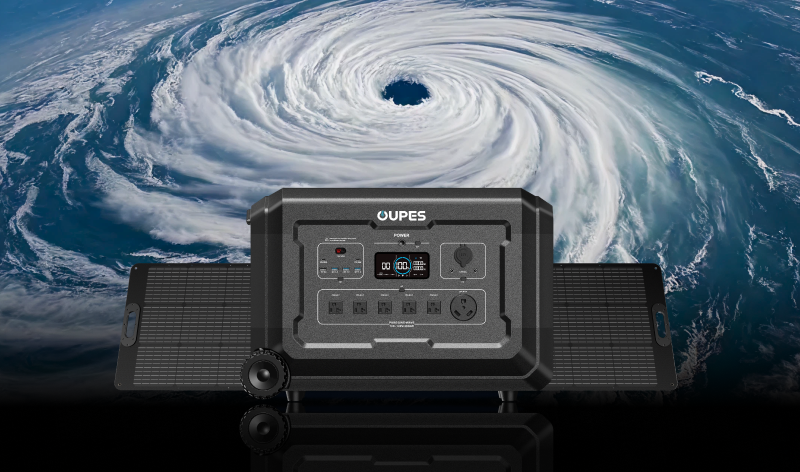
When a storm passes through and the lights suddenly go out, many people ask the same question: why did power go out during storms? It can feel confusing, especially when the storm itself may only last a few hours while the outage continues much longer. In reality, storm-related outages are usually not caused by one simple issue. They happen because severe weather damages the systems that generate, transmit, and distribute electricity to homes and businesses.
Storms can affect the power grid in several ways at once. Strong wind can knock trees into power lines. Lightning can damage transformers and substations. Heavy rain can flood equipment. Ice and snow can add dangerous weight to wires and branches. In some cases, utilities may even shut off power intentionally in damaged areas to protect public safety or prevent bigger failures. That is why a power outage during a storm is often a sign of physical damage, system protection, or both.
This article explains the most common reasons power goes out during storms, how utility systems respond, why restoration can take time, and what households can do to prepare more effectively. The focus is on user education first. We will also briefly explain how portable backup power products from OUPES can help support essential household needs during weather-related outages.
How the Power Grid Reaches Your Home
To understand why storms cause outages, it helps to understand how electricity reaches a house in the first place. Power usually starts at a generation source and then moves through transmission lines, substations, transformers, and local distribution lines before it finally arrives at homes and buildings.
This system works well under normal conditions, but it also means there are many points where bad weather can interrupt the flow of electricity. Damage does not have to happen right next to your home for your power to go out. A problem at a nearby substation, a broken transformer down the road, or a fallen tree several blocks away may be enough to cut service to an entire neighborhood.
In other words, when storm power outages happen, the issue is often not that electricity has disappeared. The issue is that the path carrying electricity has been damaged, disconnected, or shut down for safety reasons.
The Most Common Reasons Power Goes Out During Storms
1. Falling Trees and Branches
One of the most common causes of storm outages is vegetation. During strong wind, heavy rain, ice, or snow, trees and branches can break and fall onto overhead power lines. Even a single limb can damage wires, poles, or nearby equipment. In more severe cases, entire trees may come down and pull multiple lines with them.
This is especially common in areas with mature trees, older neighborhoods, or wooded suburban and rural communities. If the storm is widespread, utilities may face many tree-related incidents at the same time, which increases restoration time.
2. High Winds Damaging Power Lines
Strong wind alone can be enough to cause outages, even without falling trees. Overhead lines can sway, loosen, or break under extreme conditions. Utility poles can also be damaged when wind is severe or when the ground becomes unstable from rain.
Wind-related outages are often more common during thunderstorms, hurricanes, tropical storms, and strong winter systems. The stronger the wind and the longer it lasts, the greater the chance that power infrastructure will be affected.
3. Lightning Strikes
Lightning can cause direct and indirect damage to the electrical system. A direct strike can damage transformers, circuit breakers, substations, or other utility equipment. Even when lightning does not hit equipment directly, the electrical surge can still affect nearby infrastructure and cause protective devices to trip.
In many cases, lightning-related outages happen suddenly and without much visible damage to the customer. The utility may need to inspect and reset equipment before power can safely return.
4. Flooding and Water Damage
Heavy rain and storm flooding can also interrupt power service. Water and electricity are a dangerous combination, so utilities must be extremely cautious when substations, underground systems, pad-mounted equipment, or other electrical assets are exposed to flooding.
Sometimes the equipment is physically damaged. Other times the utility turns power off in a flooded area because restoring service too early could create an electrocution hazard or cause more serious system damage. This is one reason outages may continue even after the worst weather has passed.
5. Ice and Snow Load
Winter storms create a different type of grid stress. Ice can build up on power lines and tree limbs, making them much heavier than normal. That extra weight can cause wires to sag or snap and branches to fall. Wet snow can have a similar effect, especially when combined with wind.
In cold-weather regions, power outages during winter storms often result from a combination of snow, ice, and tree damage rather than one single factor.
6. Utility Safety Shutoffs and Protective Actions
Not every storm outage is caused by direct breakage. Utilities also use protective systems designed to shut off power when a fault or dangerous condition is detected. This is an important part of grid safety. If a line is damaged, a transformer fails, or a downed wire creates risk, protective devices may automatically disconnect service.
In some weather conditions, utilities may also intentionally turn off power in certain locations to reduce fire risk, protect repair crews, or prevent more severe equipment damage. While frustrating for customers, these actions are often necessary to reduce danger.
Why Storm Outages Can Last Longer Than the Storm Itself
Many people expect power to return as soon as the storm ends, but restoration usually takes longer. That is because utility crews must first inspect the system, identify where the damage happened, isolate unsafe areas, and then repair equipment in the right order.
Power restoration is not just a matter of flipping one switch. If a transmission problem exists, that may need to be addressed before local distribution lines can be restored. If roads are flooded or blocked by debris, crews may not be able to reach the damaged equipment quickly. If multiple neighborhoods are affected, the utility may prioritize repairs that restore power to the largest number of customers first, then move to smaller local issues.
Weather can also slow restoration. Crews may have to wait until lightning risk drops, floodwaters recede, or fallen trees are cleared before they can work safely. This is why an outage can continue long after the rain or wind seems to be over.
Why Some Areas Lose Power More Often Than Others
Not all communities experience storm outages in the same way. Several local factors can affect how vulnerable an area is.
- Overhead vs. underground lines: Areas with overhead power lines are generally more exposed to wind, trees, and ice.
- Tree density: Neighborhoods with many tall trees near lines often face higher storm outage risk.
- Grid age and maintenance: Older infrastructure may be more vulnerable to weather damage.
- Terrain and flooding risk: Low-lying or flood-prone areas may face longer outages when water affects equipment access and safety.
- Storm type and duration: Long-duration storms often create more damage than short weather events.
This is why two homes in the same city may have very different outage experiences during the same storm. One may lose power for a short time, while another may be without electricity for much longer depending on the local grid layout and damage pattern.
What Happens Inside the Home When Power Goes Out
When electricity stops, the impact on the home depends on what systems rely on it. Lights and outlets are the most obvious losses, but outages also affect refrigeration, internet access, phone charging, electric cooking equipment, security systems, medical devices, and climate control. In winter, the loss of electricity may affect heating systems. In summer, it may affect cooling and indoor air circulation.
That is why power outages are more than a convenience issue. During a major storm, they can affect household safety, communication, and comfort all at once. For families with children, older adults, or people who depend on powered equipment, even a moderate outage can become a serious problem if it lasts too long.
How to Prepare Before the Next Storm
The best response to storm outages starts before the storm arrives. Preparation does not need to be complicated, but it should be practical.
Here are some key steps:
- Charge phones, laptops, and battery packs before severe weather begins
- Keep flashlights and spare batteries in easy-to-find locations
- Store drinking water, food, and essential supplies
- Know how to receive weather alerts if the internet goes down
- Keep refrigerators and freezers closed as much as possible during outages
- Plan for children, pets, medications, and special equipment needs
It also helps to think beyond the first few hours. Many people prepare for a short outage but not for a multi-day disruption. Storm planning is stronger when it includes both immediate response and longer-duration backup strategies.
A Brief Note on OUPES Backup Power During Storm Outages
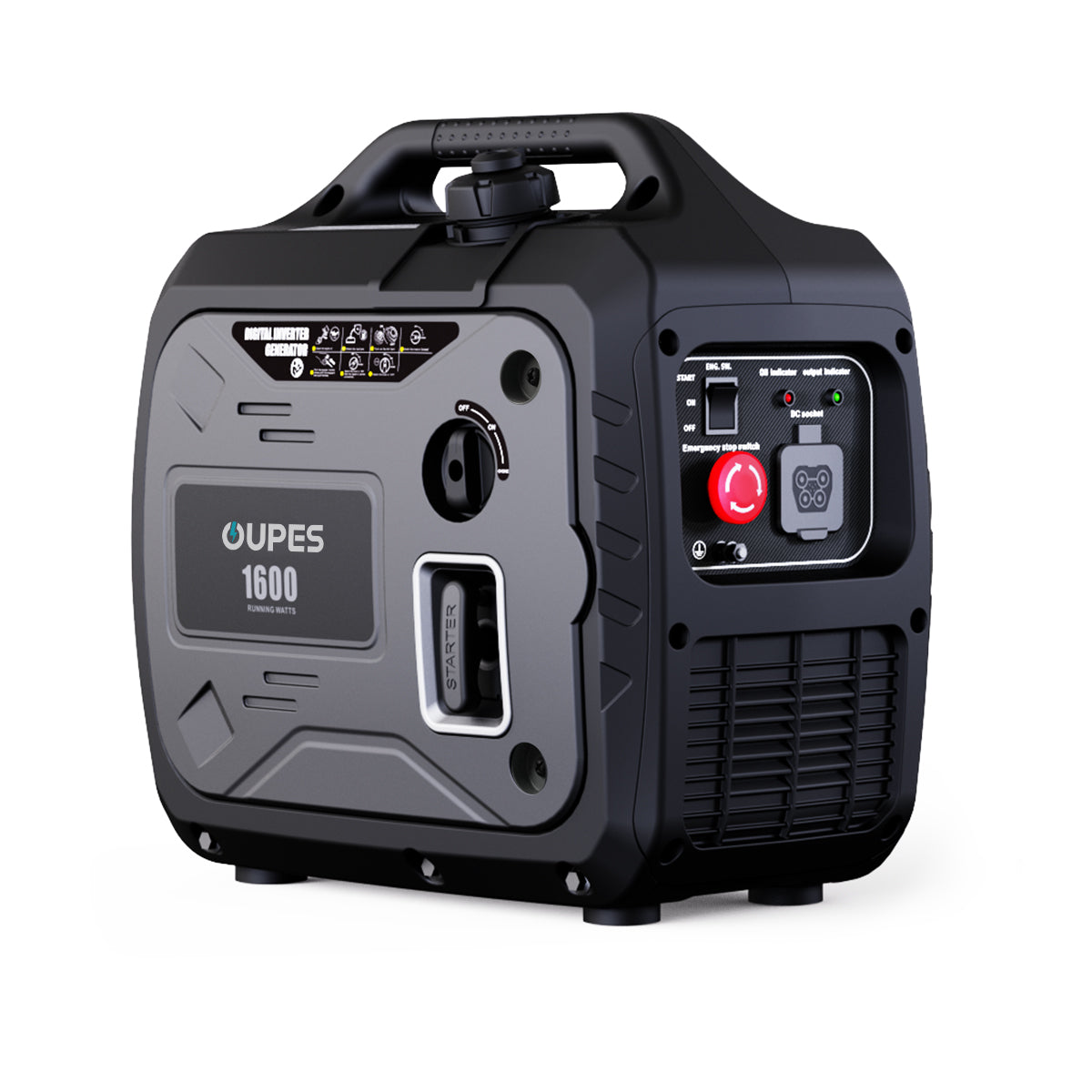
For households that want better outage readiness, portable backup power can be a practical part of the plan. OUPES offers several options that can support different levels of storm preparedness. For example, the OUPES Mega 2 can help keep phones, lights, communication devices, and small essentials running during a shorter outage. For households needing more stored energy, the OUPES Mega 5 can provide broader support for selected home backup needs.
For users preparing for more demanding outage scenarios, the OUPES Guardian 6000 is especially relevant. During major storms, stored power can help maintain communication, lighting, and selected household essentials while the grid is down. In that sense, a backup power system is not just about convenience. It is part of a larger home resilience strategy for severe weather.
Of course, every household should size backup power based on real energy needs. The key lesson is simple: if storms regularly affect your area, then reliable backup power should be considered part of practical emergency planning.
What to Do During a Storm Outage
If the power goes out during a storm, focus first on safety. Avoid touching downed wires or anything near them. Use flashlights instead of candles whenever possible. Keep refrigerator and freezer doors closed to preserve food longer. Continue monitoring official weather and emergency updates if your phone or radio is available.
If you use backup power, prioritize essential loads first. In most cases, that means communication devices, lighting, and critical home functions before entertainment or non-essential equipment. Energy discipline matters during an outage, especially if restoration time is uncertain.
If flooding is present, stay especially cautious around electrical systems. Never attempt to inspect or handle damaged home wiring yourself after severe weather unless it has been professionally assessed and declared safe.
What to Do After Power Returns
When electricity comes back, do not assume everything is automatically normal. Check whether any appliances were affected by the outage. Restock supplies, recharge power banks or backup power stations, and review what worked and what did not during the event.
This review step is often overlooked, but it is valuable. Ask simple questions: Did you have enough lighting? Did your devices stay charged? Was your outage plan clear? Did you need more backup capacity? The answers can help you improve readiness before the next storm season.
Final Thoughts
So, why did power go out during storms? In most cases, the answer is that severe weather damaged the equipment or lines that carry electricity, or the utility shut power off for safety and system protection. Wind, trees, lightning, flooding, snow, and ice can all interrupt the electrical path that connects the grid to your home.
Understanding this helps households prepare more effectively. Storm outages are not random inconveniences. They are usually the result of physical weather impacts on a complex power system. The better you understand those risks, the easier it becomes to plan for them with emergency supplies, safe habits, and reliable backup power support.
FAQ
1. What is the most common reason power goes out during storms?
Falling trees and branches damaging overhead power lines are one of the most common causes of storm-related outages.
2. Can lightning cause a power outage even if it does not strike my house?
Yes. Lightning can damage nearby transformers, substations, or utility equipment and trigger outages across a wider area.
3. Why does the outage sometimes last longer than the storm?
Because utilities need time to inspect damage, clear hazards, repair equipment, and restore service in the correct order.
4. Can heavy rain alone cause a power outage?
Yes. Heavy rain can lead to flooding, equipment damage, and safety shutoffs that interrupt service.
5. Why are overhead power lines more vulnerable during storms?
Because they are exposed to wind, falling branches, ice, and other weather-related damage in a way underground systems usually are not.
6. What should I do first when the power goes out in a storm?
Focus on safety, use flashlights, charge devices carefully if backup power is available, and monitor official weather updates.
7. Why is backup power useful during storm outages?
It helps keep communication devices, lights, and selected essentials working while the grid is unavailable.
8. Which OUPES products are relevant for storm preparedness?
Products such as the OUPES Mega 2, Mega 5, and Guardian 6000 can support different levels of outage backup needs depending on the household scenario.