




Table of Contents
- Introduction
- Understanding Hydroelectric Power
- Understanding Solar Power
- Hydroelectric vs. Solar Power: A Detailed Comparison
- Environmental Impact
- Cost and Maintenance
- Which Energy Source Is More Suitable?
- How Portable Solar Generators Fit Into The Equation
- How OUPES Supports Clean Energy Innovation
- FAQ
Introduction
As global energy demands grow and the urgency for clean, renewable energy increases, two major sources often come to the forefront: hydroelectric power and solar power. Both have proven track records in reducing dependence on fossil fuels and minimizing greenhouse gas emissions. However, their scalability, accessibility, and environmental impact differ significantly.
This article explores the core differences between hydroelectric and solar power — examining how each works, their benefits and limitations, and which one might be better suited for different energy needs. We will also touch on how portable solar generators extend the advantages of solar energy to individual households and outdoor enthusiasts.
Understanding Hydroelectric Power
What Is Hydroelectric Power?
Hydroelectric power converts the kinetic energy of moving water into electrical energy using turbines. It is one of the oldest and most widely adopted forms of renewable energy, accounting for approximately 16% of global electricity generation, according to the International Energy Agency (IEA).
How It Works
In a typical hydroelectric system, water from a reservoir flows through turbines, spinning them to generate electricity. The mechanical motion drives a generator that converts this kinetic energy into electrical power.
Advantages of Hydroelectric Power
- Reliable and Consistent: Can produce power 24/7 as long as water flow remains stable.
- High Energy Efficiency: Conversion rates exceed 90%, one of the highest among renewable sources.
- Grid-Scale Power: Suitable for large-scale electricity generation and national grids.
- Long Lifespan: Hydroelectric dams can last for decades with proper maintenance.
Disadvantages of Hydroelectric Power
- High Initial Cost: Construction of dams and reservoirs is expensive.
- Environmental Disruption: Alters river ecosystems and affects fish migration patterns.
- Geographic Limitation: Requires suitable terrain and consistent water flow.
- Climate Sensitivity: Droughts or reduced rainfall can significantly lower output.
Understanding Solar Power
What Is Solar Power?
Solar power captures energy from sunlight and converts it into electricity using photovoltaic (PV) panels. It is one of the fastest-growing renewable energy sources globally, with costs dropping by over 80% in the past decade (IEA data, 2023).
How It Works
Solar panels contain photovoltaic cells made of semiconductor materials like silicon. When exposed to sunlight, these cells release electrons, generating a flow of electric current that can be used immediately or stored in batteries for later use.
Advantages of Solar Power
- Scalability: Can be used for small homes, businesses, or large-scale farms.
- Low Operating Costs: Once installed, maintenance is minimal and fuel (sunlight) is free.
- Decentralized Energy: Allows off-grid living and emergency backup systems.
- Environmentally Friendly: Zero emissions during operation.
Disadvantages of Solar Power
- Weather Dependent: Efficiency drops during cloudy or rainy days.
- Energy Storage Required: Batteries are needed to store power for nighttime use.
- Space Requirement: Large installations need significant rooftop or ground area.
Hydroelectric vs. Solar Power: A Detailed Comparison
Both hydroelectric and solar power are renewable, but they differ in cost structure, scalability, and environmental footprint. The table below summarizes the main differences between the two.
| Category | Hydroelectric Power | Solar Power |
|---|---|---|
| Energy Source | Flowing or falling water | Sunlight (solar radiation) |
| Conversion Efficiency | Up to 90% | 15–22% (modern PV panels) |
| Infrastructure Cost | Very high (dams, turbines) | Moderate to low (scalable panels) |
| Environmental Impact | Can disrupt ecosystems | Minimal, especially rooftop solar |
| Energy Availability | Continuous (if water is available) | Intermittent (depends on sunlight) |
| Geographic Limitation | Requires rivers or reservoirs | Works anywhere with sunlight |
| Maintenance | Moderate to high | Low |
| Scalability | Best for large projects | Highly flexible — from home to utility scale |
While hydroelectric systems dominate utility-scale renewable energy, solar power offers a more flexible and accessible solution for everyday use — especially with advancements in portable systems.
Environmental Impact
When comparing their ecological effects, solar power generally has a smaller footprint. Hydroelectric dams can drastically alter ecosystems, displacing wildlife and local communities. According to the World Wildlife Fund (WWF), large dams contribute to biodiversity loss in river environments.
Hydroelectric Environmental Impact
- Changes natural water flow and temperature.
- Blocks fish migration and sediment flow.
- May emit methane from decomposing vegetation in reservoirs.
Solar Environmental Impact
- Minimal impact when installed on rooftops or brownfields.
- Manufacturing processes produce some emissions but are improving yearly.
- Fully recyclable panels emerging in the market reduce future waste concerns.
Cost and Maintenance
Over the past decade, solar power has become one of the most cost-effective energy sources. Hydroelectric power, while efficient, requires substantial upfront investment and long-term environmental management.
Cost Breakdown (2024 Estimates)
| Aspect | Hydroelectric Power | Solar Power |
|---|---|---|
| Installation Cost per kW | $1,500 – $5,000 | $900 – $1,500 |
| Maintenance Cost | Moderate (mechanical upkeep) | Low (mainly cleaning panels) |
| Operational Lifespan | 40–80 years | 25–30 years |
| Levelized Cost of Energy (LCOE) | $0.05 – $0.10/kWh | $0.03 – $0.06/kWh |
While hydroelectric facilities offer long-term returns, the flexibility and rapidly decreasing cost of solar installations make them more accessible to homeowners and small businesses.
Which Energy Source Is More Suitable?
The “better” energy source depends largely on geographic conditions, scale, and intended use. Hydroelectric systems are ideal for large-scale grid supply in regions with abundant water resources, while solar power excels in distributed generation and off-grid independence.
Hydroelectric Power is Best For:
- Regions with reliable river systems and rainfall.
- Large-scale industrial and national grid applications.
- Long-term infrastructure investments.
Solar Power is Best For:
- Residential and commercial rooftop installations.
- Remote or off-grid areas.
- Portable and backup power applications (e.g., solar generators).
How Portable Solar Generators Fit Into The Equation
While hydroelectric systems are stationary and large-scale, solar generators and portable power stations allow individuals to harness renewable energy anywhere — from camping trips to home emergencies.
Benefits of Portable Solar Power
- Mobility: Ideal for RVs, outdoor work, and emergency preparedness.
- Independence: Generates power without relying on infrastructure.
- Eco-Friendly: Zero emissions and silent operation.
- Recharge Options: Works with solar panels, AC outlets, or car charging.
By integrating solar technology into compact systems, users can enjoy the benefits of renewable energy without geographic constraints — something hydroelectric power cannot offer.
How OUPES Supports Clean Energy Innovation
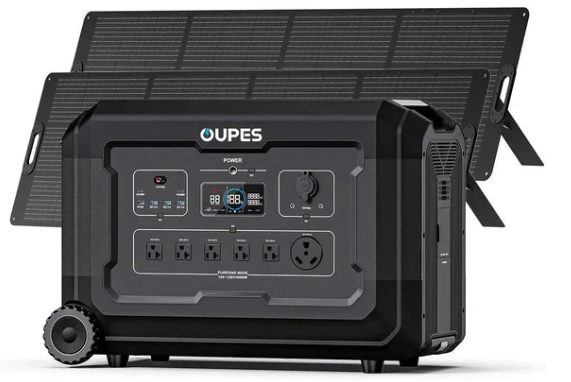
OUPES provides advanced portable solar generators equipped with LiFePO₄ batteries and smart battery management systems. These systems allow users to capture, store, and use clean solar power efficiently — whether at home or off-grid.
With long battery life, multiple output options, and compatibility with high-efficiency solar panels, OUPES products exemplify how solar energy can empower individuals toward a sustainable future.
FAQ
1. Which produces more energy: hydroelectric or solar power?
Hydroelectric plants generally produce more total energy due to their scale, but solar power is more versatile and scalable for individual use.
2. Is hydroelectric power more reliable than solar power?
Yes, hydroelectric systems are more consistent since they don’t rely on weather. However, solar technology paired with energy storage can now provide near-continuous power.
3. Which is more environmentally friendly?
Solar power typically has a smaller environmental footprint since it doesn’t alter natural waterways or ecosystems.
4. Can I use hydroelectric and solar power together?
Yes. Hybrid renewable systems combining hydro and solar can balance seasonal variations and ensure year-round energy supply.
5. Are portable solar generators a viable renewable energy option?
Absolutely. Portable solar generators offer an affordable, emission-free solution for powering homes, RVs, and outdoor devices without grid access.