


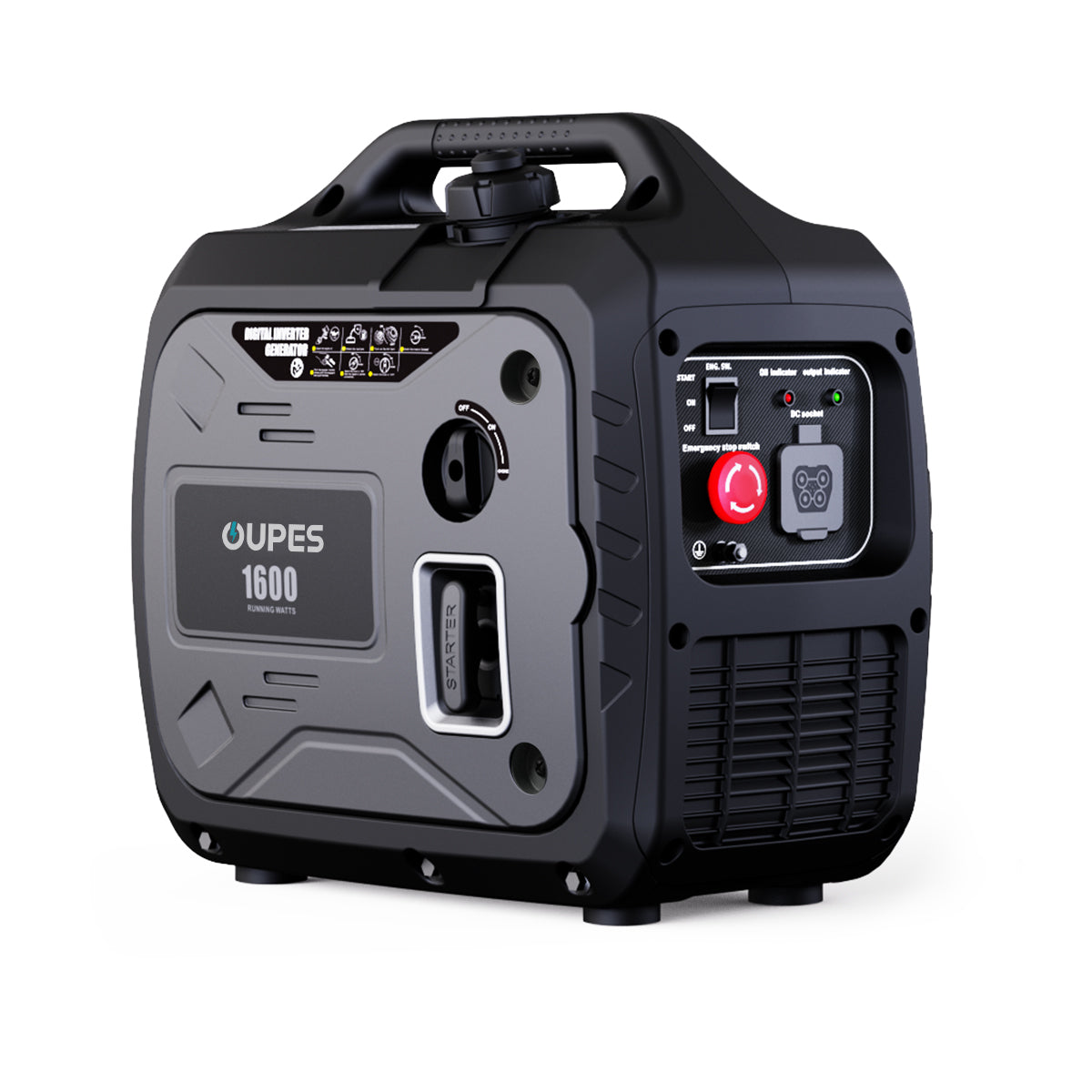


Why Solar Generator Winter Maintenance Matters
Winter brings harsh environmental challenges — freezing temperatures, snow accumulation, and reduced daylight hours. While solar generators are excellent for off-grid winter adventures, home backup, and emergency situations, performance can drop significantly if the system is not properly maintained.
Cold temperatures impact lithium battery chemistry, slowing down chemical reactions and reducing available capacity. Snow and ice can block sunlight, cutting solar charging efficiency by up to 80%.
With proactive maintenance, your solar generator will remain dependable through storms, blizzards, and power outages.
Battery Care in Cold Temperatures
Lithium batteries perform best between 32°F and 95°F (0°C to 35°C). When temperatures fall below freezing, battery efficiency and lifespan can decline — and charging below 0°C may cause permanent cell damage without protective systems.
Cold Weather Battery Maintenance Tips
- Store the power station inside or in a heated compartment.
- Never charge lithium batteries below freezing unless built-in low-temperature charging protection exists.
- Keep batteries between 40–60% when storing long term.
- Use insulated thermal covers or heating pads during extreme cold.
- Warm the battery gradually before recharging if cold-soaked.
| Temperature | Battery Behavior | Best Practice |
|---|---|---|
| 32°F–95°F (0°C–35°C) | Optimal operation | Normal charging and use |
| 14°F–32°F (-10°C–0°C) | Reduced efficiency | Warm battery before charging |
| Below 14°F (-10°C) | Risk of cell damage | Store indoors; avoid charging |
How to Maintain Solar Panels During Winter
Snow, ice, and dirt can block sunlight, drastically reducing energy production. To keep solar output reliable:
Winter Solar Panel Maintenance Checklist
- Brush off snow using a soft-long handle brush — avoid sharp tools.
- Position panels at a steeper angle to promote snow slide-off.
- Use panel heaters or anti-icing film if in extreme climates.
- Inspect cables and connectors for moisture damage.
- Place portable panels in direct sunlight areas and adjust frequently.
Solar radiation is still present in winter — just make sure nothing blocks it.
Proper Storage & Placement During Freezing Conditions
Storage conditions directly affect durability and safety. Placing a solar generator outdoors full-time in winter risks: battery freezing, internal condensation, and electrical corrosion.
Safe Placement Tips
- Store inside living spaces, RVs, insulated sheds, or garages.
- Keep elevation above cold concrete floors to avoid thermal transfer.
- Use breathable moisture-protective covers.
- Ventilate storage spaces to prevent humidity buildup.
Winter Charging Tips for Reliable Power
With fewer daylight hours, shutting down high-consumption appliances and optimizing charging windows becomes crucial.
Energy Management Strategies
- Charge during midday peak sunlight.
- Limit high-wattage devices to conserve stored power.
- Use MPPT solar controllers for higher cold-efficiency charging.
- Regularly check charging cables for ice or brittleness.
A good rule: Use more power during warm hours and reduce nighttime loads.
Backup Power Strategies for Emergencies
Winter storms can cause multi-day outages. Your solar generator should be part of a layered backup strategy:
- Carry additional solar panels to improve daily recovery.
- Keep batteries fully charged before storms.
- Have an indoor-safe power station for essential needs.
- Prioritize vital equipment (heaters, medical devices, communications).
This ensures you stay powered through unexpected grid failures.
Why OUPES Solar Generators Are Winter-Friendly
OUPES solar generators are designed with cold-weather performance in mind, featuring:
- High-capacity LiFePO4 batteries with 3,500+ life cycles
- Smart Battery Management System (BMS) for low-temperature protection
- Rapid solar + AC charging for storm readiness
- Quiet, emission-free indoor-safe operation
- Expandable power options for home backup
These characteristics ensure power reliability whether you're camping in winter or preparing for emergencies at home.
Winter Solar Generator Quick-Check Maintenance List
- ✔ Keep batteries above freezing
- ✔ Remove snow from solar panels daily
- ✔ Store generator indoors or insulated areas
- ✔ Monitor state of charge every 1–2 days
- ✔ Inspect wiring & inputs for moisture
- ✔ Prepare extra solar capacity before storms
FAQ: Winter Solar Generator Use
- Can solar generators work in winter?
Yes — but reduced daylight requires power-saving strategies. - Do batteries drain faster in cold weather?
Yes, chemical reactions slow and reduce runtime. - Is indoor operation safe?
Yes — solar generators have no fumes and are safe inside. - How do I prevent moisture damage?
Store in dry, insulated, ventilated spaces. - Can I leave solar panels outside?
Yes, but keep snow and ice cleared off them. - Should I unplug appliances in extreme cold?
Reduce loads to conserve stored energy when sunlight is limited. - How often should I charge during winter?
Daily monitoring is recommended to prevent deep discharge.