




TL;DR
To choose the right home emergency power battery, it is important to make a list of the appliances that you need to operate (fridge, lights, fan).Calculate the number of kWh that you will require during the outage.Next, compare battery capacity, power output, battery type, lifespan and overall safety before making a decision.
How To Choose The Right Emergency Power Battery For Home?
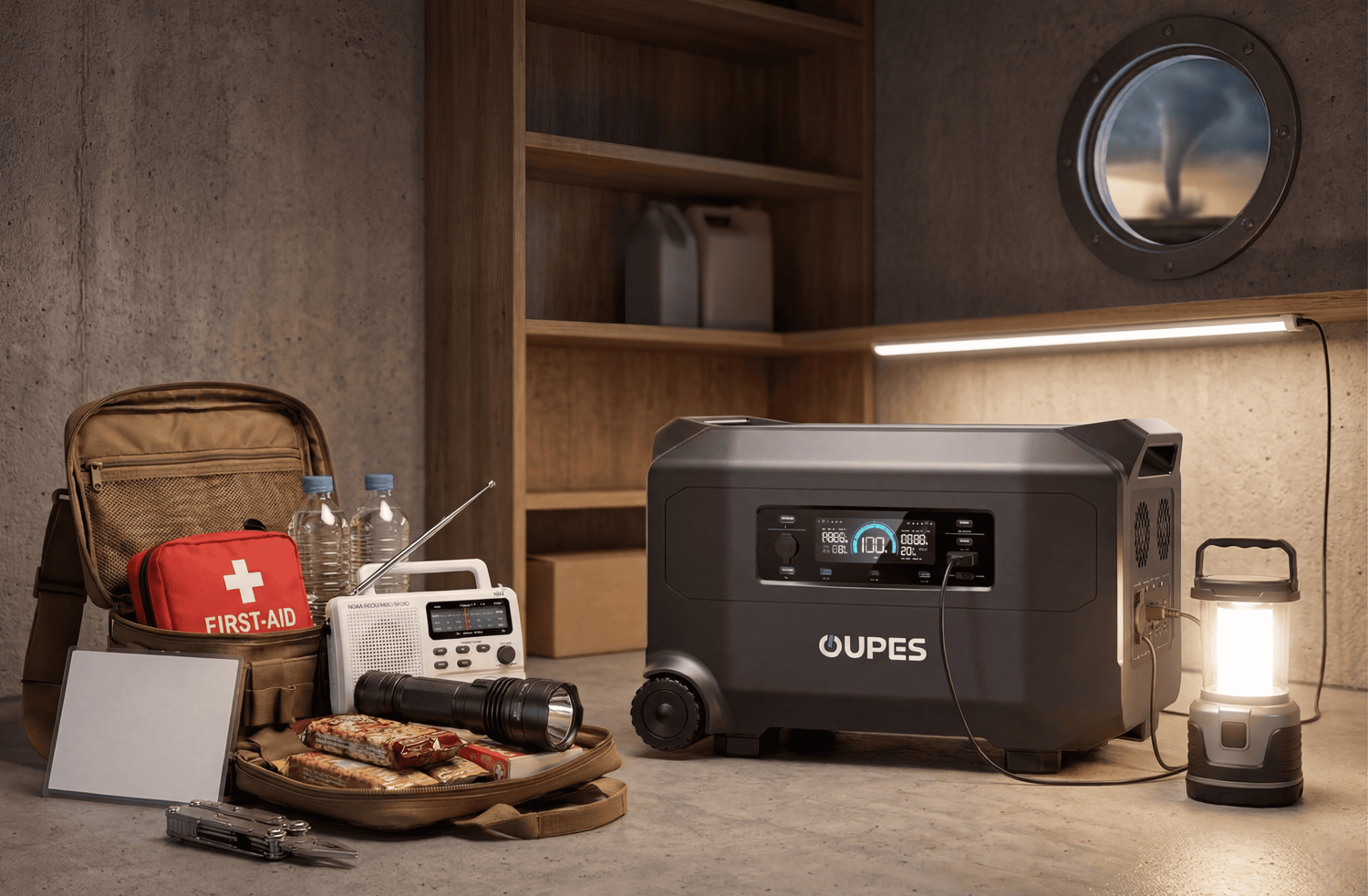
Power failures can happen anytime.Your home may be left without light (for hours or days) because of a storm, heavy rain or a grid fault.In this time, you might need a light, a fridge to store your food safely and a power source to charge your phone.This is where an emergency power battery is needed.
An emergency battery is like a battery storage box.It can supply you with backup power when the grid goes down, so that your important devices can keep running.However, which battery is right for you? A lithium-ion battery, or a lead-acid one? With all these choices available, choosing the one that is best to use in your house can be rather confusing.
But don’t worry. This guide will lead you through the step-by-step process of choosing the right battery.
Home Battery Backup: How to Choose the Right One

Having a backup power battery for your home was a luxury in the past. But those days are gone now. Today, it has become a requirement in most areas, especially where power outages are frequent.
A good battery system will keep your lights on, your food cold and your devices charged when your grid goes down.However, with such a wide variety of products available, it may seem difficult to choose the one that is suitable for you.
This is a step-by-step guide on how you can choose a safe and reliable backup battery to run your home during blackouts.
1: Define Your Situation: What Do You Really Need?
The first step is to figure out what you actually need to power.Would you like to run the whole house or only the necessities?
- Temporal outages (a few hours): Lights, Wi-Fi, and phone charging may be the only requirements.
- Longer power outages (12-24 hours): Involve the fridge, fans, or medical equipment.
- Whole house backup:This is the most costly option, but it allows you to run almost anything.
Tip: For most families, critical loads are all that's needed, keeping costs down while still providing peace of mind.
2. Estimate Your Power Needs
To buy a battery, you should understand how much power your essential devices need and how long you need them to operate. For example:
|
Device |
Power (Watts) |
Hours Needed |
Energy Used (Wh) |
|
Refrigerator |
200 |
8 |
1,600 |
|
LED Lights |
50 |
4 |
200 |
|
Wi-Fi & Phone Charging |
20 |
8 |
160 |
|
Total |
— |
— |
1,960 Wh (≈2 kWh) |
Then add an extra margin of approximately 20% for hidden loads such as start surges.That brings the target down to 2.4 kWh.
Also note, battery manufacturers often display total storage, but it's not always 100% usable.A lithium battery can be operated until it reaches up to 80-90% whereas a lead-acid battery cannot be operated up to this capacity.
3. Select the Right Battery Type
There are many types of batteries, and it is necessary to learn about them and how they can fit in various purposes.
Lithium-ion (especially LiFePO₄)
- Long lifespan (3,000+ cycles)
- Compact and lighter
- Higher upfront cost
Lead-acid (AGM or Gel)
- Lower purchase price
- Heavy and bulky
- Shorter lifespan (500–1,000 cycles)
For safety and reliability, most new systems use lithium batteries.They are expensive initially but have a longer lifespan making them more ideal for frequent outages.
To check out some of the most reliable battery options available in the market, explore.
4. Duration & Scalability
Consider how long you need a backup. For example:
- 4-6 hours:Smaller systems (2-5 kWh) may be sufficient.
- 12-24 hours:Larger batteries (10-15 kWh) are required.
- Multi-day outages:Modular, expandable systems are the way to go.
Most modern batteries are designed to expand with additional packs.This is good because you can start small and grow as your budget allows.
5. Safety, Certification & Warranty
A backup battery is only as good as its safety mechanisms and the confidence that comes with proper certifications and warranty support. Look for:
- Certification such as UL, CE or IEC
- Built-in safety features (overcharge, short circuit, overheating).
- Warranty coverage: Many lithium systems come with 5-10 year warranty coverage.
The U.S. Department of Energy reports that battery systems with proper safety standards significantly reduce the risk of fires and electrical incidents.This is why it is worth paying for certified products.
6. Cost & Return on Investment
The right battery will not only fit your budget today, but will provide you with value over time in the form of reliability and savings. The cost depends on:
- Battery size (kWh)
- Type (lead-acid is much cheaper than lithium)
- Installation and inverter requirements
While the initial cost can be high, the long-term reliability can be worth it for many homeowners.This prevents food from spoiling, safeguards medical devices, and keeps communication alive during blackouts.
If you have solar panels, a battery can also store energy during the day for use at night, saving you money on the bills.
Find out more about our home backup solutions.
7. Installation and Monitoring
A battery must be installed by a licensed technician to ensure the installation is safe and adheres to local codes.With good installation, your system can be used in actual emergencies.
Many modern systems also come with apps or monitoring softwares.You can monitor charge level, power usage, and even receive notifications when the battery is low.
Real-World Facts
Power cuts are not rare. A report from the U.S. Census Bureau reported that one in four households experienced at least one complete blackout in 2023, with many of those outages lasting six hours or longer.
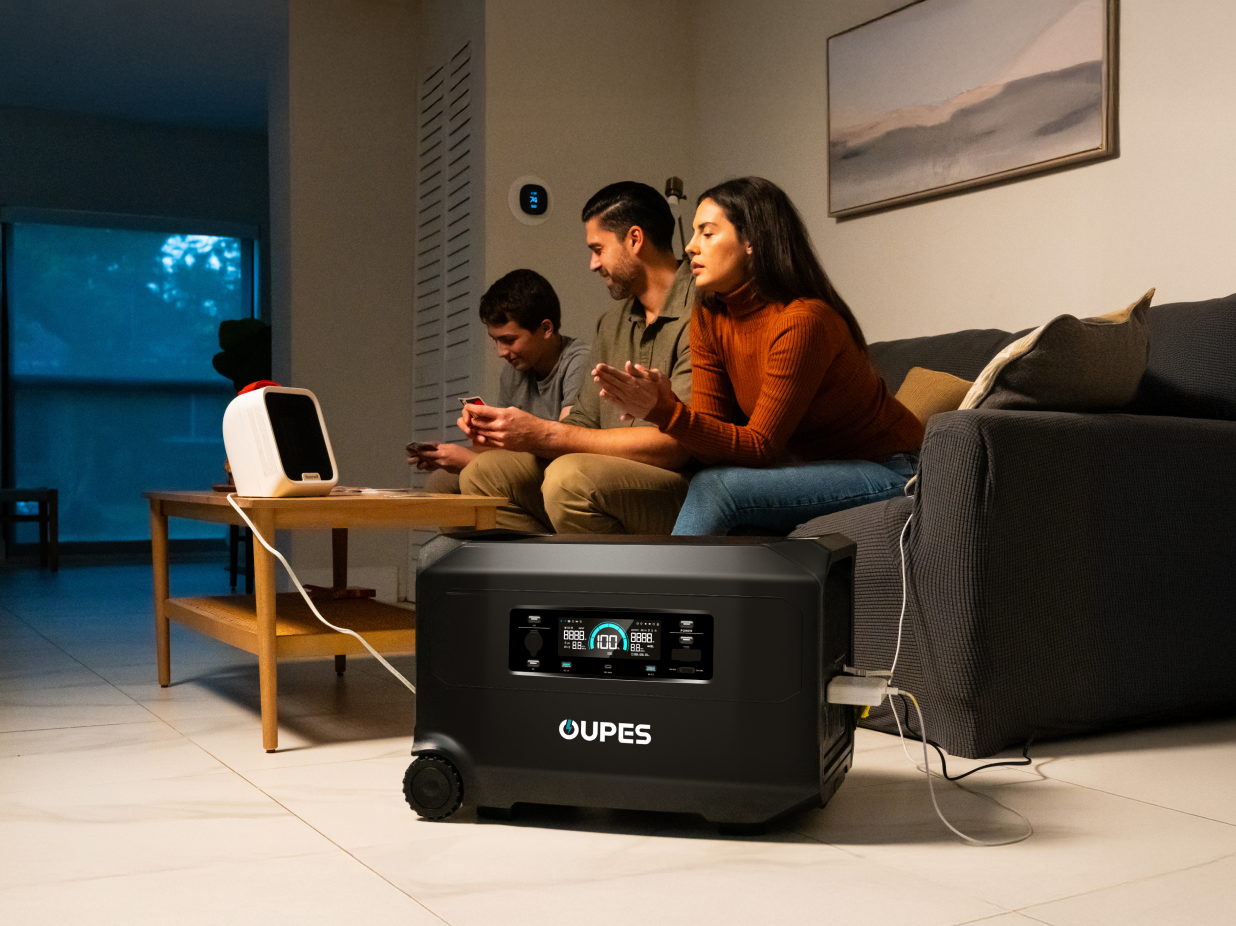
Backup batteries have a long life-cycle; some of the power stations by Oupes do over 3,500 charge cycles before losing significant capacity.This makes them able to maintain good performance for many years.
These statistics indicate that demand is increasing and long-term battery systems are becoming more available.
FAQs
Do I need to back up my entire house or critical loads only?
Powering everything (AC, water heater, washing machine) requires a very large battery size.Critical loads (fridge, lights, communication) save money and ensure you remain safe.
How long does a battery last until it needs to be replaced?
A high-quality lithium battery can typically have a service life of 5-10 years or more, particularly if operated between safe DoD limits and under warranty conditions.
Is it possible to charge the battery from both the grid and solar?
Yes. Many systems are hybrid: they charge with solar panels or with the grid (in off-peak hours).
Conclusion
Having a backup battery in your home will make a big difference when the grid fails.The key is to assess your power needs and pick a battery that meets them.While the initial cost may seem high, the reliability, safety, and peace of mind a good battery offers pay off in the long run.
If you follow the steps outlined in this article, you'll have a reliable backup that will keep your family safe, your food fresh and your devices charged until the power returns.

Leave a comment
This site is protected by hCaptcha and the hCaptcha Privacy Policy and Terms of Service apply.