




TL;DR
Emergency power stations will help you at home to continue running important devices during blackouts, storms, infrastructure problems or grid outages. Power outages are increasing day by day, and an appropriate power station brings peace of mind, protection of food, connectivity, and powering medical devices.
Suppose one day you are sitting in front of a TV or doing homework, and then, bang! The lights go out. No refrigerator, no internet and you are not even able to use your medical equipment.
That’s what happens in millions of homes each year.
More than 70% of U.S. counties had at least one 8+ hours long outage in a year and most of these were associated with extreme weather.
So what does this mean for you? It does not matter where you are, be it a city or a rural area; the presence of an emergency power station in your household will ensure that you are not left in the dark.
What is an emergency power station?
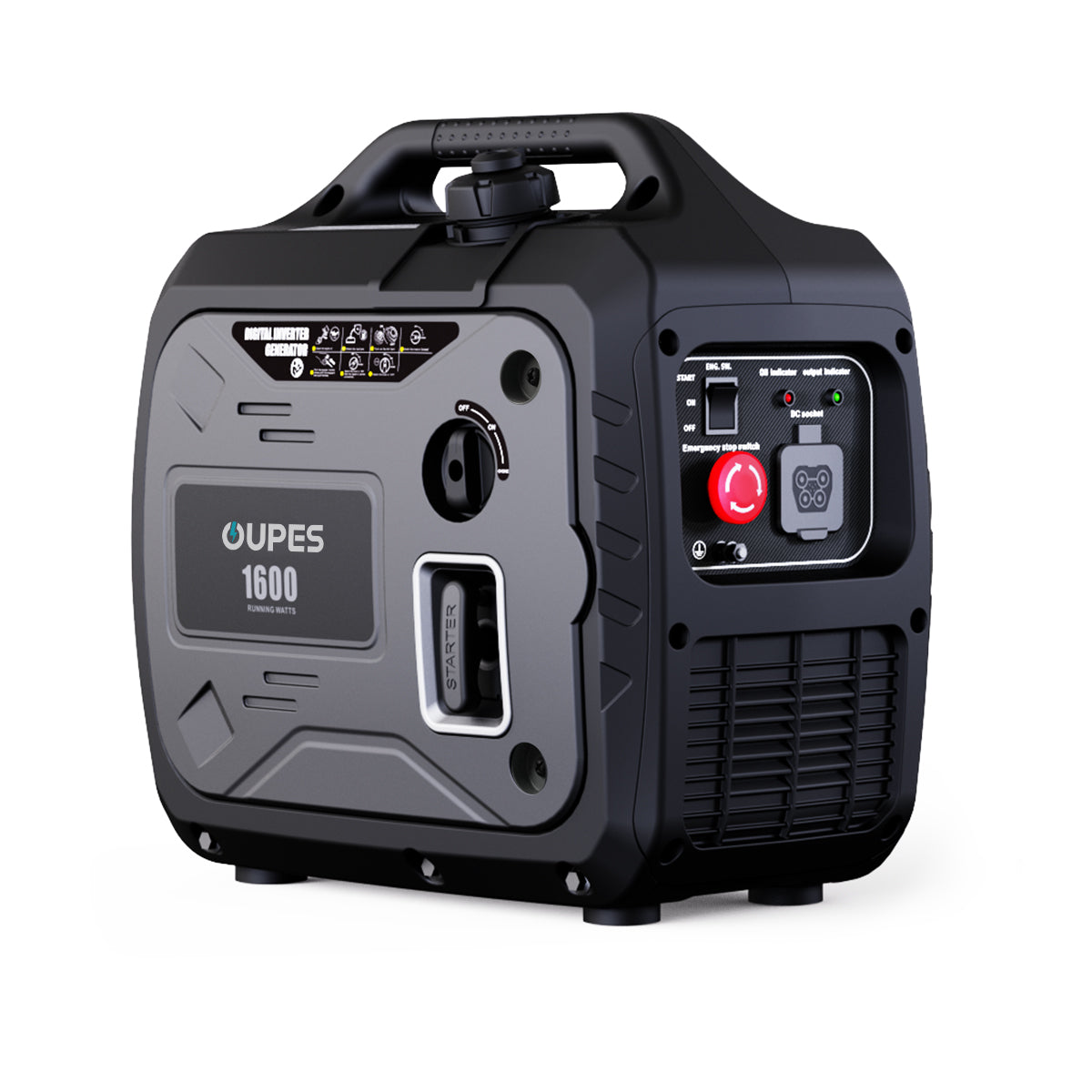
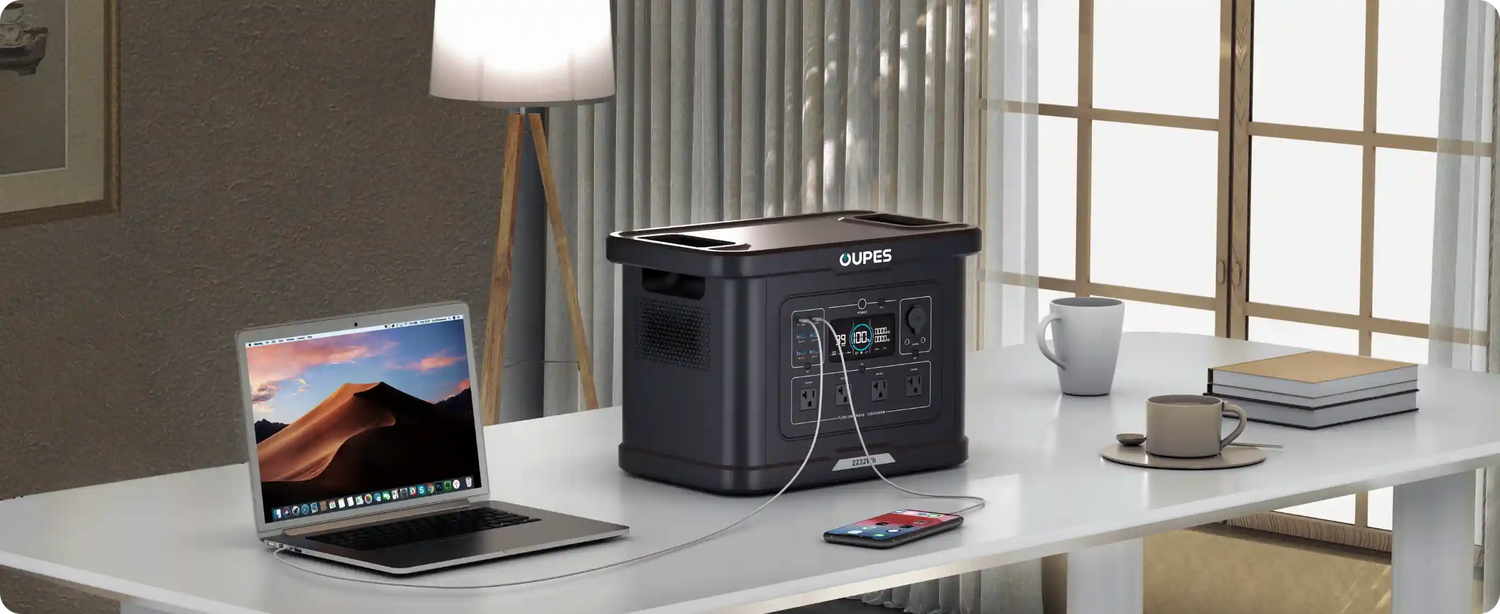
An emergency power station (alternatively known as a portable power station) is a large rechargeable battery that stores electricity.
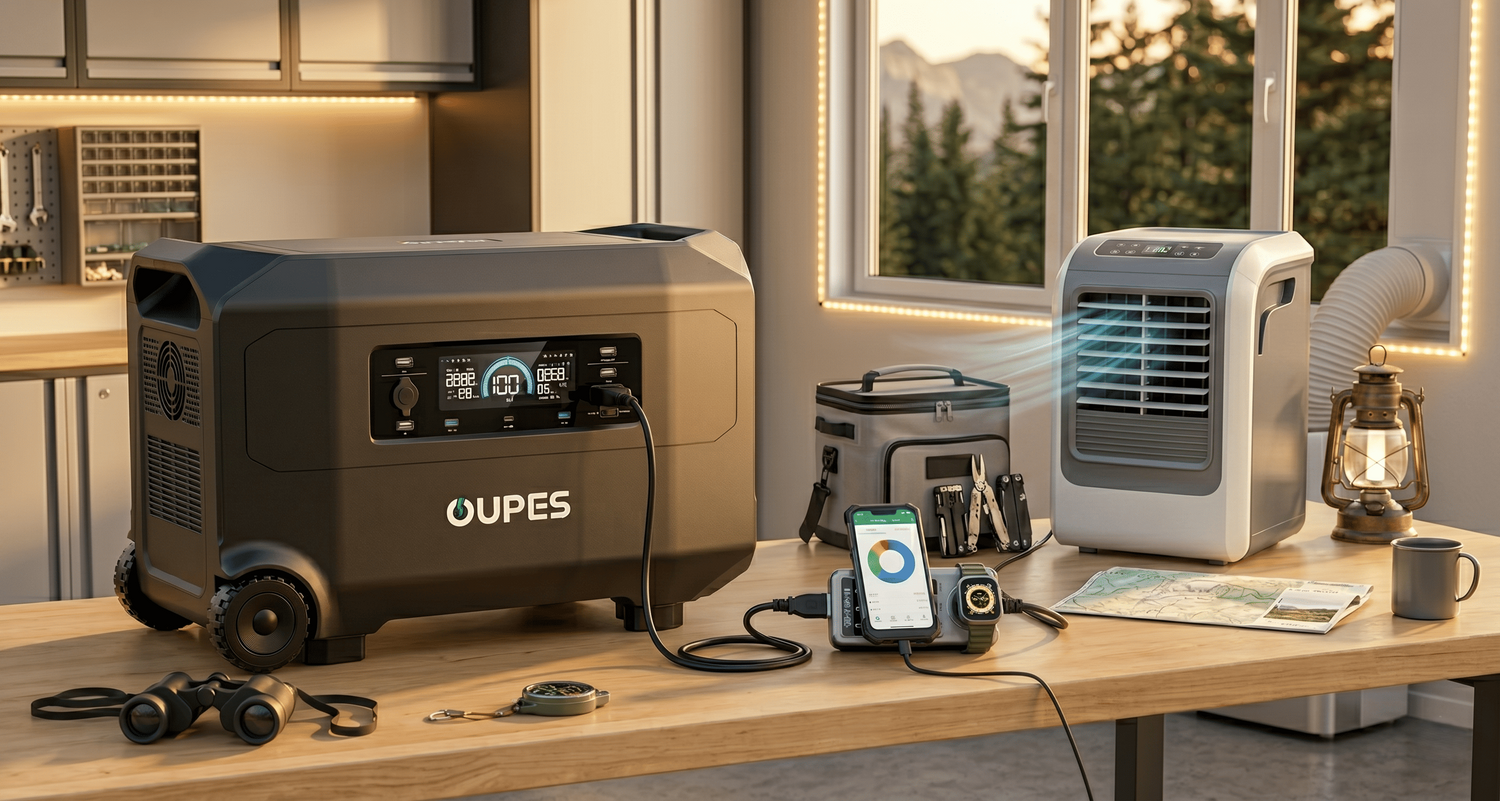
It can be used to power lights, fans, phones, laptops and even small fridges in the event of power failure.
It is clean, quiet, and easy to operate unlike the gas generators. You just charge it from a wall socket or solar panel and plug in your devices when needed.
In most of these portable power stations today, you’ll see features like: battery capacity (Wh), continuous output (watts), surge output (for things that start heavy like fridges), AC and DC ports, and solar input. OUPES offers several portable power stations that are ideal for homes, camping, or travel.

How an emergency power station helps
Electricity may be cut off at any time, and without a notice: in a thunderstorm, in the dark, or even on a bright, sunny day. With an emergency power station in the home, you will always be in a position to keep the light on, stay connected, and save your family when it counts the most.
1. Power Outages During Storms
Everything in the house is disturbed when a thunderstorm or heavy rain cuts the power. Your lights are switched off, Wi-Fi is off, and even your fridge begins to heat up. A backup power generator is capable of powering your phone, router, and small appliances until power is restored.
2. Earthquakes or Natural Disasters
During such unforeseen occurrences as earthquakes or floods, roads can be blocked and power lines can be broken down. A portable power station allows you to charge your phone to make a call to get help, you can use it to listen to the news on the radio, and you can even use it to power a medical device in case someone needs one. The little box can literally become your lifeline.
3. Winter Blackouts
In winter, extreme snow or ice may destroy electric poles and result in long power outages. With an OUPES emergency power station, you will be able to plug in a small heater, warm your electric blanket, and even make a cup of hot tea. With backup power, it becomes a lot easier to stay warm and safe.
4. Family Camping or Road Trips
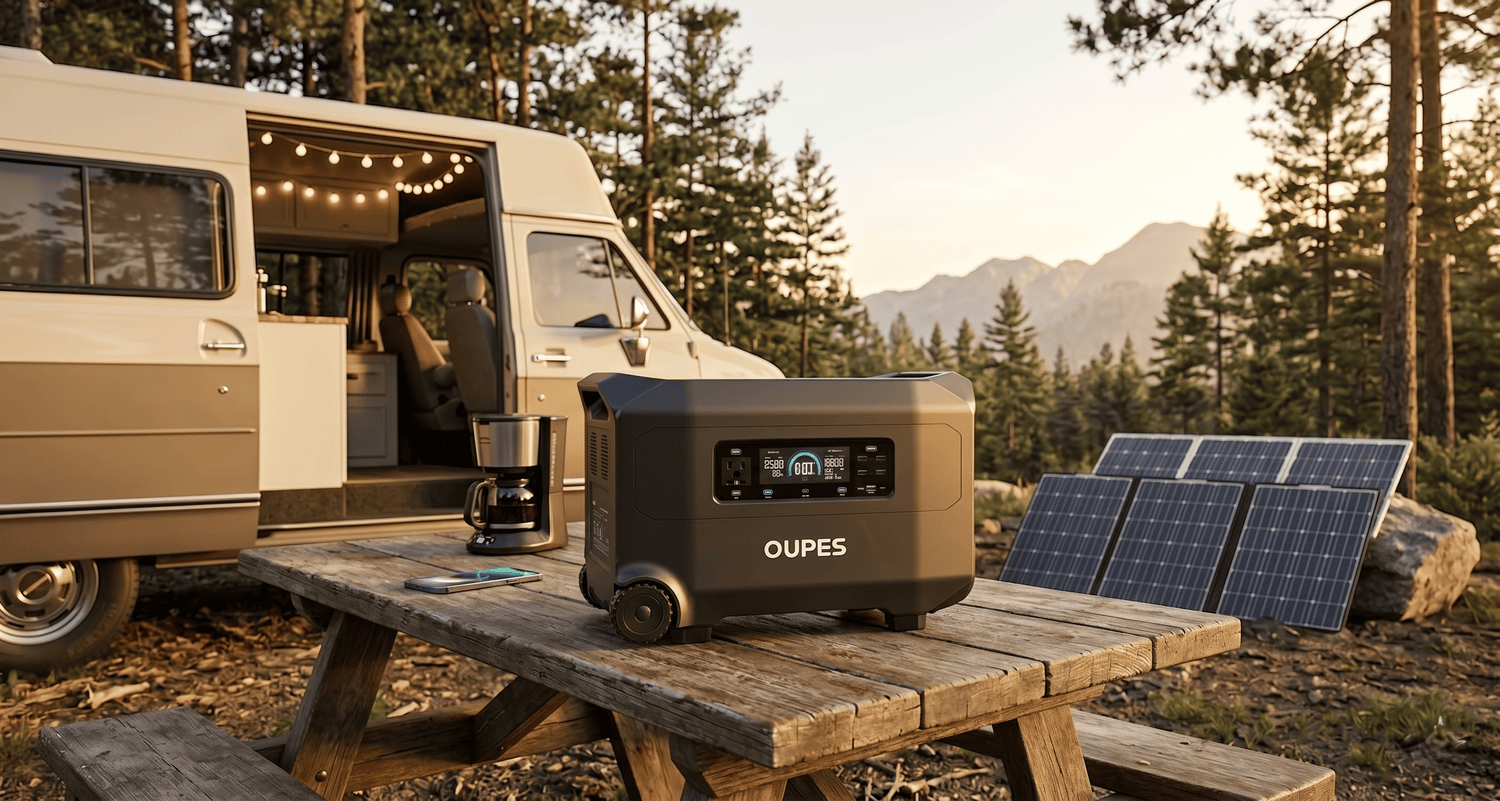
In case your family likes camping or long road trips, a power station will allow you to charge phones, lights, and even cook using an electric stove on the road. You will no longer have to worry about your kids running out of tablets in the middle of the trip. You would not need to sacrifice your comfort to have a good time in the nature.
5. Working from Home
You may end up losing valuable information or even missing a meeting when your power goes off and you are working online. A power station is able to run your laptop and Wi-Fi router for hours.
6. Emergency Medical Equipment
A power outage can be severe in case someone in your home relies on medical devices such as the CPAP machine or oxygen concentrator. Having a fully charged backup power station ensures the device keeps working smoothly. This can prevent health risks during long outages.
Explore the OUPES Solar Generator Kits for long-term, renewable option.
What to look for when picking one
Here are some key features to look for in a portable power station:
|
Feature |
Why it matters |
|
Capacity (Wh) |
Tells how much energy it stores: higher means longer runtime |
|
Output Power (W) |
Determines which appliances it can power: some devices require higher wattage |
|
Surge/Start-up power |
Fridges, pumps and some appliances need a bigger burst of power at startup |
|
Ports (AC, DC, USB) |
More flexibility: laptops, phones, fridge, lights all have different plugs |
|
Charging options |
Ability to recharge via wall socket, solar panels or car helps in longer outages |
|
Durability & safety features |
Protects your investment and makes sure the station runs safely when you need it |
|
Ease of use/portability |
You might need to move it, so handles/wheels help |
Tip: If you want to run a small fridge (100W), router (20W), lights (30W), and charge phones for 4 hours, look for at least a 1,000–1,500Wh power station.
Compare models easily on the OUPES Products Page.
Putting it in place at home
Setting up an emergency power station at home is simple, but planning matters. You don’t just leave it in a corner; you prepare it like any other safety tool.
-
List your essential devices: fridge (for how long), lights, router, phone charger, maybe medical gear.
-
Estimate your load: add up how many watts your devices draw.
-
Choose the station size: If your load is 500 W and you want 4 hours of runtime, you’d need ~2000 Wh (500W × 4h = 2000Wh) plus some overhead for inverter losses.
-
Position it safely: ensure proper ventilation, store in dry place, and easy to reach plugs.
-
Charge it and test it: Make sure it works when you need it.
-
Create a usage plan: During an outage use devices smartly: turn off non-essentials, use DC ports if available (they draw less loss) etc.
-
Maintain it: Even when you’re not using it for an outage, keep it topped up, keep firmware updated, and check battery health.
Final thoughts
You can’t control when the power goes out, but you can control how ready you are. A home emergency power station helps you stay connected, safe, and calm when the lights go off.
With OUPES, you get reliable, easy-to-use solutions for every home size and budget.
Stay ready. Stay powered. Visit OUPES today to find your ideal emergency power station. Don’t wait until the next outage.
FAQs
1. How long will an emergency power station last during a blackout?
It depends on battery size and usage. Small units last hours, while large ones like OUPES Mega 5 can power appliances all day.
2. Can I recharge the station during an outage?
Yes, if the station supports solar panels or car charging. If you have no alternative energy source, once it’s drained you’ll be out of power until grid returns.
3. What appliances should I not try to power with a basic station?
Bigger appliances like whole-house air-conditioners, big ovens, or electric heaters may require far more power than a typical portable station can handle.
4. Is it safe to keep an emergency power station indoors?
Yes, it’s safe. Emergency power stations don’t use fuel or emit smoke, so you can safely operate them indoors anytime.
best generator for home backup power, CPAP portable power Station, emergency power, home backup power, homebackup power, indoor power station, Medical Emergency Usage, portable power staion, Portable Power Station, portable power station kit,

Leave a comment
This site is protected by hCaptcha and the hCaptcha Privacy Policy and Terms of Service apply.