


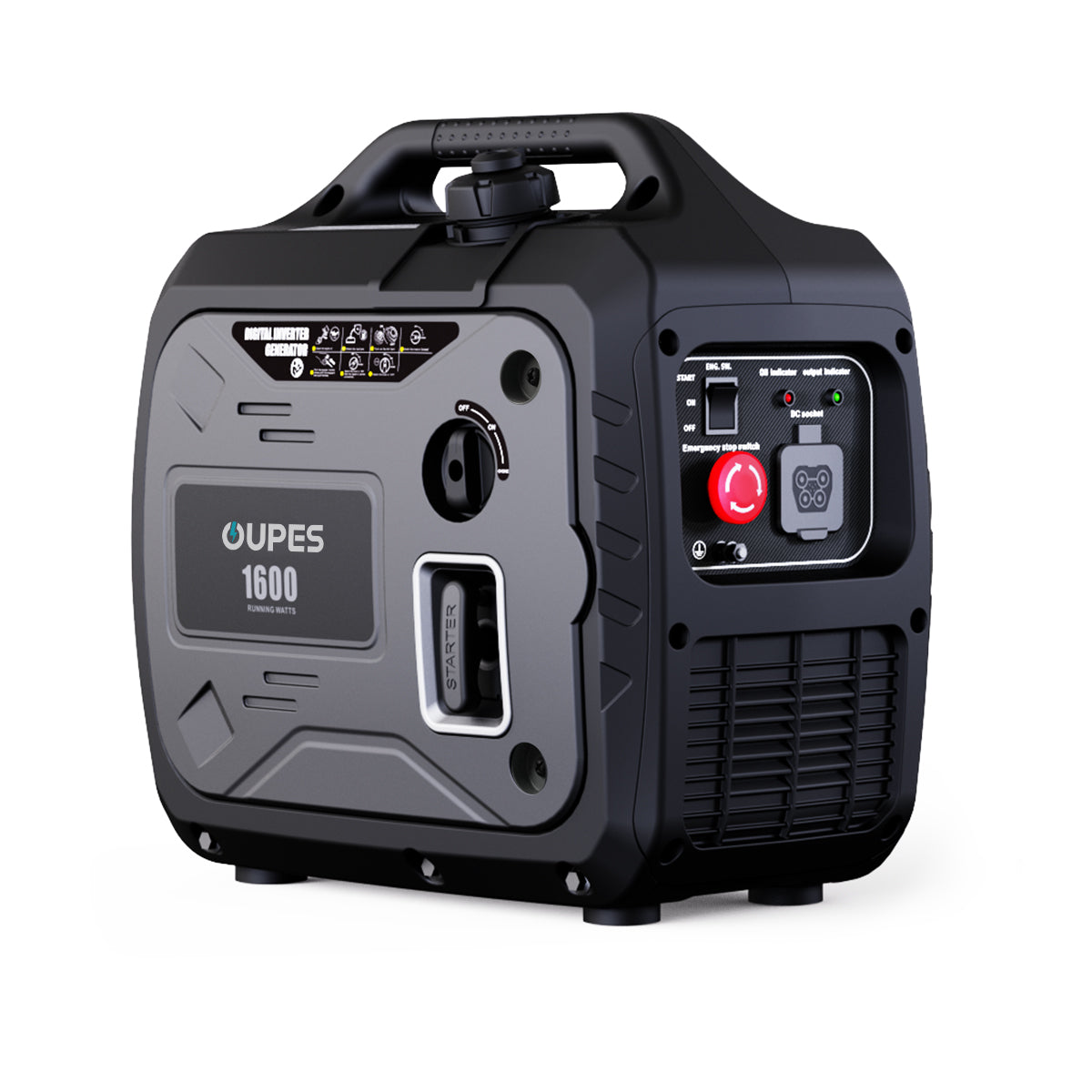


The safest practical method is to use a plug-in power meter that is rated for the refrigerator and can capture startup or peak power. A qualified person can also use a true-RMS clamp meter with an inrush function on a single accessible conductor. Do not open the refrigerator, expose wiring or clamp around an intact multi-conductor cord.
Key Takeaways
- Startup surge is brief and may be missed by ordinary displays.
- Measure running energy and startup demand separately.
- Use only meters and adapters rated for the circuit and appliance.
- Repeat several compressor starts because conditions vary.
- Compare the measured event with documented inverter surge behavior and duration.
Why Refrigerator Startup Is Different From Running Power
The compressor motor draws a brief inrush when it starts. Once running, power falls. A refrigerator may also operate defrost heaters, fans and controls, so the highest non-starting load can differ from normal compressor power.
Nameplate data helps define voltage and current requirements, but a generic multiplier cannot replace measurement on the exact appliance.
Use a Rated Plug-In Meter When Appropriate
- Confirm the meter's voltage, current and appliance rating.
- Plug the meter directly into a suitable grounded receptacle.
- Connect the refrigerator as the meter manufacturer instructs.
- Select peak or inrush capture if provided.
- Allow the compressor to stop and restart naturally; record several events.
Do not use an undersized smart plug or household energy monitor whose peak capture is too slow.
When a Clamp Meter Is Appropriate
Fluke's inrush guidance explains that an inrush-capable clamp synchronizes with a startup event. The jaw must surround one conductor, not the complete cable, because opposing currents in a multi-conductor cord cancel magnetically.
Accessing individual conductors can expose energized parts. If a manufacturer-approved breakout adapter is unavailable, use a qualified electrician or appliance technician rather than opening wiring.
Convert the Reading Carefully
A power meter may report watts directly. A clamp meter reports amps. For a rough apparent-power check, VA = volts × amps. True watts may differ because motor power factor changes during startup.
Example: 120V × 8A = 960VA. That is not automatically 960W, and the event duration matters. Compare the appliance data and meter result with the power station manufacturer's published startup criteria.
Repeat and Record Realistic Starts
Measure after the compressor has been off, after door openings and, if relevant, during warmer room conditions. Do not force rapid restart cycles; compressors may have protection delays. Record running watts, startup peak, highest defrost load and Wh over 24 hours.
This set of data answers two separate questions: can the inverter start it, and can the battery run it long enough?
Use the Result to Select Backup Power
Choose continuous output above the highest sustained load and surge support compatible with the measured start event. Then size capacity from measured daily Wh with losses and reserve. Browse OUPES options intended for refrigerator backup power and verify your appliance rather than relying on a category label.
Create a Refrigerator Test Log
Record room temperature, refrigerator settings, door openings, the time since the last compressor stop and whether defrost occurred. These conditions explain why one startup or daily energy result differs from another.
Keep the appliance model and meter model beside the readings. When replacing the refrigerator, repeat both startup and 24-hour energy tests before relying on the existing backup plan.
Frequently Asked Questions
Can a basic watt meter capture startup surge?
Only if its sampling and peak function are fast enough. Verify the meter specification.
Can I clamp around the refrigerator cord?
Not with an ordinary current clamp around the whole multi-conductor cord; the fields cancel.
How many starts should I measure?
Measure several natural starts under representative conditions.
Is nameplate current the same as startup current?
No. It may list running or rated values and not capture the brief inrush.
Can I use a generic multiplier?
It can orient a plan but should not replace measurement for compatibility.
Why does VA differ from W?
AC motors can have power factor, so volts × amps is apparent power.
Do defrost heaters matter?
Yes. They may create a high sustained load separate from compressor startup.
Can I force repeated starts by unplugging the refrigerator?
Avoid rapid cycling; follow the appliance instructions and allow protection delays.
What numbers should I keep?
Voltage, running W, startup peak, defrost load, 24-hour Wh and test conditions.

Leave a comment
This site is protected by hCaptcha and the hCaptcha Privacy Policy and Terms of Service apply.