


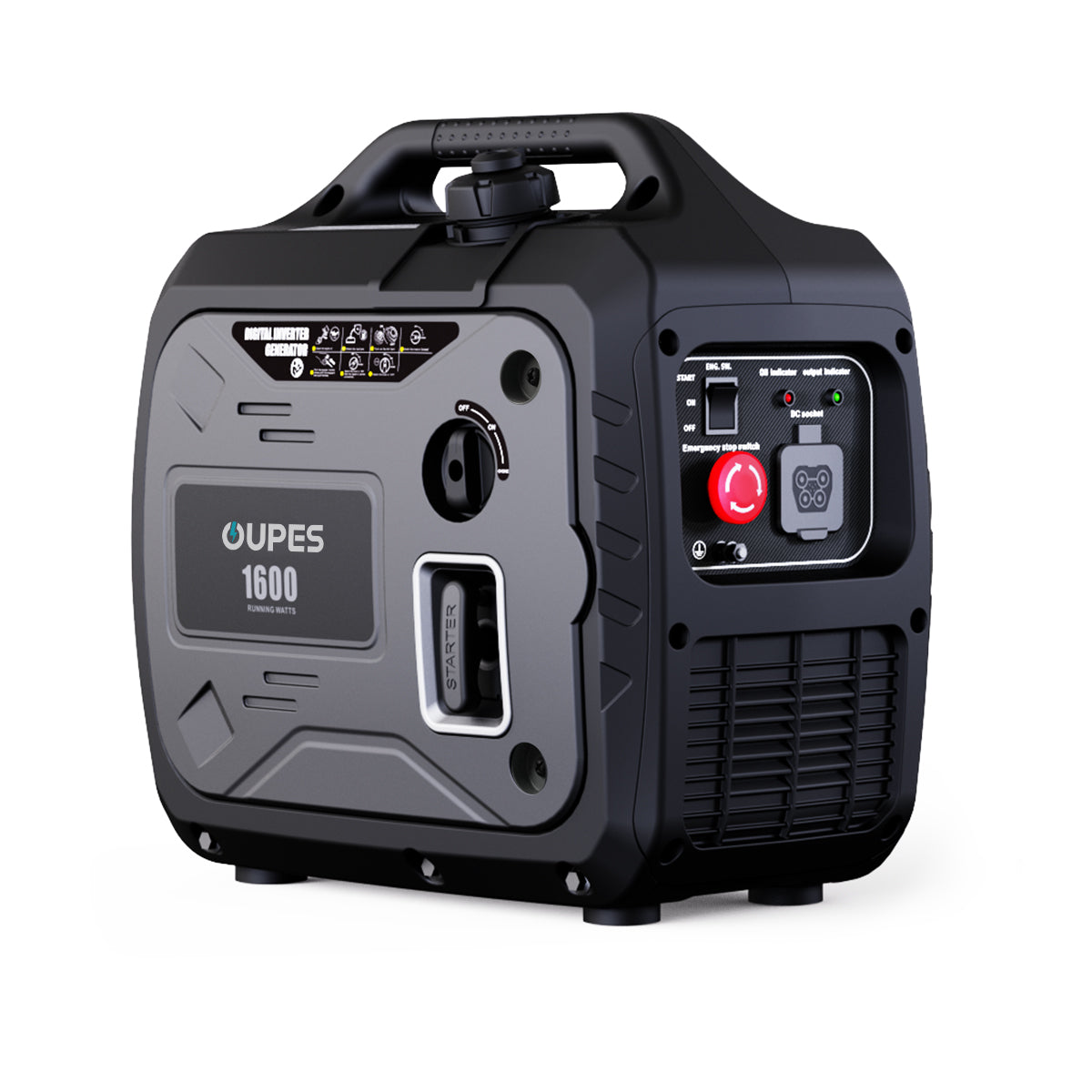


A battery cycle count estimates how many equivalent full charge-discharge cycles a battery can complete before reaching a stated remaining capacity under specified test conditions. “4,000 cycles to 80%” does not mean the battery suddenly fails on cycle 4,001; it means the test target is approximately 80% of original capacity at that cycle count.
Key Takeaways
- One cycle is usually cumulative energy equal to one full capacity, not necessarily one unplug-and-recharge event.
- Cycle claims need a capacity-retention threshold and test conditions.
- Calendar age, temperature, charge rate and depth of discharge also affect life.
- A battery at 80% capacity can remain useful with shorter runtime.
- Compare chemistry and warranty separately from cycle-life marketing.
What Counts as One Battery Cycle
If you discharge 50% of the battery today and 50% tomorrow, those two partial uses may add up to roughly one equivalent full cycle. Product counters and test methods can differ, so do not assume every plug-in event increments the same way.
Cycle life is a laboratory characterization, not a countdown timer. It describes capacity fade under defined charge, discharge and temperature conditions. Real use can be gentler or harsher.
Why “to 80%” Changes the Meaning
A complete cycle claim should state the end-of-life threshold. At 80% retention, a battery originally rated at 1,000Wh would nominally retain about 800Wh under the referenced capacity test. Output capability, calibration and real delivered energy are separate questions.
OUPES currently lists the Exodus 350 at more than 4,000 cycles to 80% capacity. That specification is tied to the current model page and does not establish identical results for every temperature, load or charging pattern.
What Accelerates or Slows Capacity Fade
| Factor | Why it matters |
|---|---|
| Depth of discharge | Deeper energy swings generally create more cycling stress |
| Temperature | Heat can accelerate aging; low-temperature charging may be restricted |
| Time at high charge | Storage conditions contribute to calendar aging |
| Charge/discharge rate | Higher current can increase heat and internal stress |
| Cell balance and controls | The BMS manages limits but cannot stop all aging |
NREL research shows that duty cycle, depth of discharge, rate and temperature all contribute to lithium-ion degradation. The relative effect depends on cell design and use.
Compare Cycle Claims on Equal Terms
Check chemistry, cycle count, retention threshold, warranty, rated capacity and the date/version of the product. A higher cycle number paired with a lower retention threshold may not be directly superior. Also ask whether the claim applies to the complete pack under typical use or to a cell test.
Cost per cycle can be a rough ownership metric only after the station meets output and energy needs. A small battery cycled twice per day may accumulate cycles faster than a larger battery performing the same daily work at a shallower depth.
Use the Battery Without Obsessing Over the Counter
Follow the manual's charging and storage guidance, keep vents clear, avoid unnecessary heat and use reasonable reserve. Do not repeatedly force a station to shut down at empty just to “exercise” the battery unless the manufacturer directs a calibration procedure.
For long storage, inspect and recharge at the interval and charge level stated for the exact model. Generic advice cannot override a model-specific manual.
Translate Cycle Life Into Real Ownership Value
Estimate your annual equivalent cycles. A household using half the battery twice per week accumulates about 52 equivalent full cycles per year. Daily full cycling approaches 365 per year. This arithmetic shows why the same published cycle rating can imply very different calendar spans.
Browse current power station specifications, but choose first for the load and recharge plan. Cycle life matters only when the system can perform the intended job.
Track Use in a Meaningful Way
Instead of recording only the cycle counter, note date, approximate energy used, maximum load, charging source and unusual temperatures. A monthly pattern can explain why runtime changes and helps support diagnose a real problem.
When comparing current capacity with the original rating, use a repeatable load and similar temperature. A single short runtime under a different load is not a reliable capacity test.
Frequently Asked Questions
Is one recharge always one cycle?
No. Partial charge and discharge events commonly accumulate into equivalent full cycles.
Does the battery stop working after its rated cycles?
Usually no. The rating is normally tied to a remaining-capacity threshold, such as 80%.
What does 80% capacity mean?
The battery stores about 80% of its original rated amount under the referenced test.
Do shallow discharges count?
Yes, they contribute fractions of an equivalent cycle.
Does LiFePO4 eliminate battery aging?
No. It can offer strong cycle life, but temperature, time and use still matter.
Can an app cycle counter prove battery health?
It is one indicator. Capacity testing, cell balance, age and operating history also matter.
Should I discharge to zero for calibration?
Only when the product instructions specify a calibration procedure.
Is cycle life the same as warranty length?
No. Warranty terms and cycle-life specifications are separate.
How should I compare two cycle claims?
Match chemistry, retention threshold, test conditions, capacity, warranty and the work each battery will perform.



Leave a comment
This site is protected by hCaptcha and the hCaptcha Privacy Policy and Terms of Service apply.